

Nectarines. Kind of like peaches, but cooler. If you’ve never had one, picture a peach with a smoother skin, less fuzz, and a bite that’s both sweet and tangy, without the overwhelming syrupiness of some other fruits. They’re like nature’s candy, just perfect for hot summer days.
These beauties start off as little blossoms in early spring, and by late summer, they’re ripe and ready to steal the show. And here’s the best part: nectarines don’t make you wait forever. With a little patience, most varieties fruit within a couple of years.
But don’t get too carried away—while they’re not the pickiest, nectarines do best when they’re given enough space. Container life isn’t their thing. They want to spread out, put down some roots, and grow strong. They can handle the heat, but they’re not above a little extra care in the first few summers—some extra watering and maybe a little shade to help them get settled.
As for the tree? It’s a stunner. Those glossy green leaves and delicate pink flowers make it a great addition to any garden, and they’re not just pretty—they’re tough. When it comes to growing nectarines, it’s worth the effort.
Rich in vitamins A and C, fiber, and antioxidants, nectarines are not only tasty but also a nutritious addition to any diet. Whether enjoyed as a refreshing snack on a hot summer day or incorporated into a variety of dishes, nectarines bring a burst of flavor and health benefits to the table.
How to Grow Nectarine
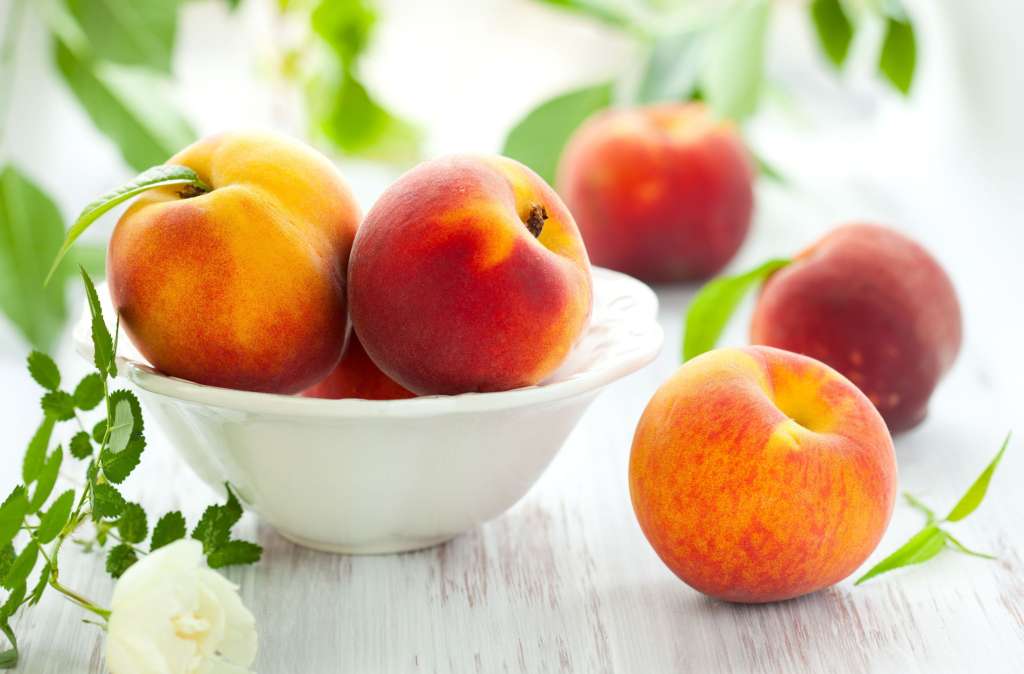
Growing nectarines offers several benefits, ranging from personal satisfaction to health advantages and environmental contributions. Check out below guide so you can grow your own nectarine trees.
Planting Nectarines
- Choosing the Right Variety: Select a nectarine variety suited to your climate. Some popular varieties include ‘Fantasia’, ‘Arctic Star’, and ‘Goldmine’.
- Location: Choose a sunny location with well-drained soil. Nectarines thrive in full sun.
- Soil Preparation: Prepare the soil by adding organic matter like compost or well-rotted manure. Ensure the soil pH is between 6.0 and 7.0.
- Planting Time: Plant nectarines in early spring or late winter when the tree is dormant.
- Planting Process:
- Dig a hole twice as wide and as deep as the root ball.
- Place the tree in the hole, ensuring the graft union (the swollen area where the rootstock meets the scion) is above the soil line.
- Backfill with soil, gently firming it around the roots.
- Water thoroughly to settle the soil.
Growing Nectarines
- Watering: Keep the soil consistently moist, especially during dry periods. Water deeply but avoid waterlogging.
- Mulching: Apply a layer of mulch around the base of the tree to retain moisture, suppress weeds, and regulate soil temperature.
- Fertilizing: Use a balanced fertilizer in early spring. Avoid over-fertilizing, which can lead to excessive vegetative growth and fewer fruits.
- Pruning: Prune nectarine trees in late winter to early spring. Remove dead, diseased, or crossing branches. Shape the tree to allow good air circulation and sunlight penetration.
- Pest and Disease Control: Monitor for common pests like aphids, peach tree borers, and diseases such as peach leaf curl and brown rot. Use appropriate organic or chemical controls as needed.
Harvesting Nectarines
- Harvest Time: Nectarines are usually ready for harvest in late summer. The exact timing depends on the variety and local climate.
- Signs of Ripeness: Look for nectarines that are fully colored and slightly soft to the touch. The fruit should have a sweet aroma.
- Harvesting Method: Gently twist or pull the fruit from the tree. Handle nectarines carefully to avoid bruising.
- Post-Harvest: Store harvested nectarines in a cool, dry place. They can be kept in the refrigerator for up to a week.
Nectarine Growing Zone
Nectarines thrive best in USDA hardiness zones 4 through 10. These zones provide the ideal climate conditions, including the necessary chill hours during winter, and the warm, sunny days required for fruit development. Here’s a brief overview of what each zone typically offers:
- Zone 5: Cold winters, suitable for nectarine varieties that require higher chill hours.
- Zone 6: Moderately cold winters and warm summers, good for a wide range of nectarine varieties.
- Zone 7: Mild winters and hot summers, ideal for most nectarine varieties.
- Zone 8: Very mild winters and very hot summers, perfect for low chill hour nectarine varieties.
- Zone 9: Mild winters and very hot summers, suitable for nectarine varieties with the lowest chill hour requirements.
Additional Tips
- Thinning: Thin the fruit when they are about the size of a marble. This helps improve the size and quality of the remaining fruit and prevents overburdening the tree.
- Pollination: Most nectarine varieties are self-pollinating, but planting multiple trees can improve fruit set and yield.
- Winter Protection: In colder climates, protect young trees from frost damage by wrapping the trunk or using tree guards.
Growing Nectarines FAQ
If you’re growing nectarines, choose a variety that is well-suited to your local climate and growing conditions. Consider factors such as chill hour requirements, disease resistance, and ripening time. Consult with local nurseries or agricultural extension services for recommendations.
The best time to plant nectarine trees is during the dormant season, typically late winter to early spring. This allows the trees to establish roots before the growing season begins.
Prune nectarine trees in late winter while they are still dormant. Focus on removing dead, diseased, or damaged wood, and thinning out branches to improve air circulation and sunlight penetration. Train the tree to an open center shape for optimal growth.
Nectarines are typically ready to harvest in late summer. Look for fruit that is firm but gives slightly to gentle pressure and has a full, rich color. Taste testing is the best way to determine ripeness.
Yes, nectarines can be grown in containers, but choose a dwarf variety. Use a large container with good drainage, and fill it with high-quality potting soil. Ensure the tree receives adequate sunlight and water regularly.
Sign up to get our FREE weekly emails
Gardening guides, tips, & videos delivered right to your inbox!


