

Growing nectarines in containers got several benefits, particularly for gardeners with limited space or those in colder climates. Containers allow for easier mobility, making it possible to move the plants indoors or to sheltered areas during cold snaps, thus extending their growing season and protecting them from frost.
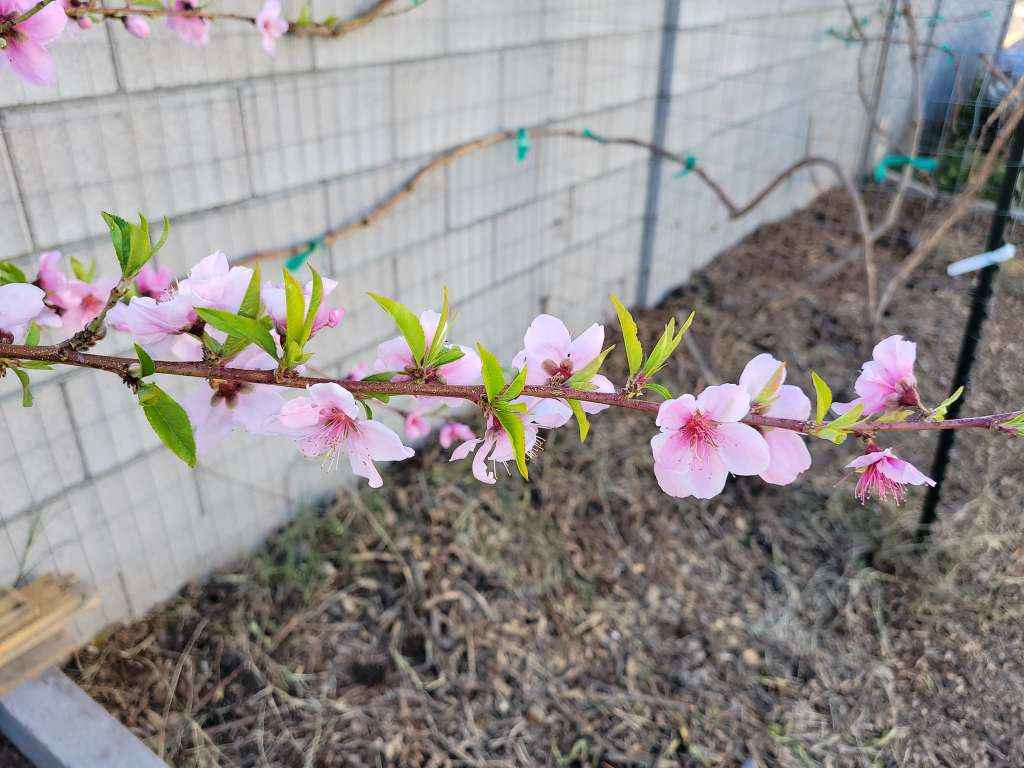
Container gardening also offers better control over soil quality and drainage, which can be optimized to suit nectarines’ specific needs. In addition to all of that, pests and diseases can be more easily managed in a contained environment. This setup is perfect for urban settings or patios, making it convenient for individuals wanting fresh, homegrown fruit without needing a large garden space.
Growing Nectarines in a Pot
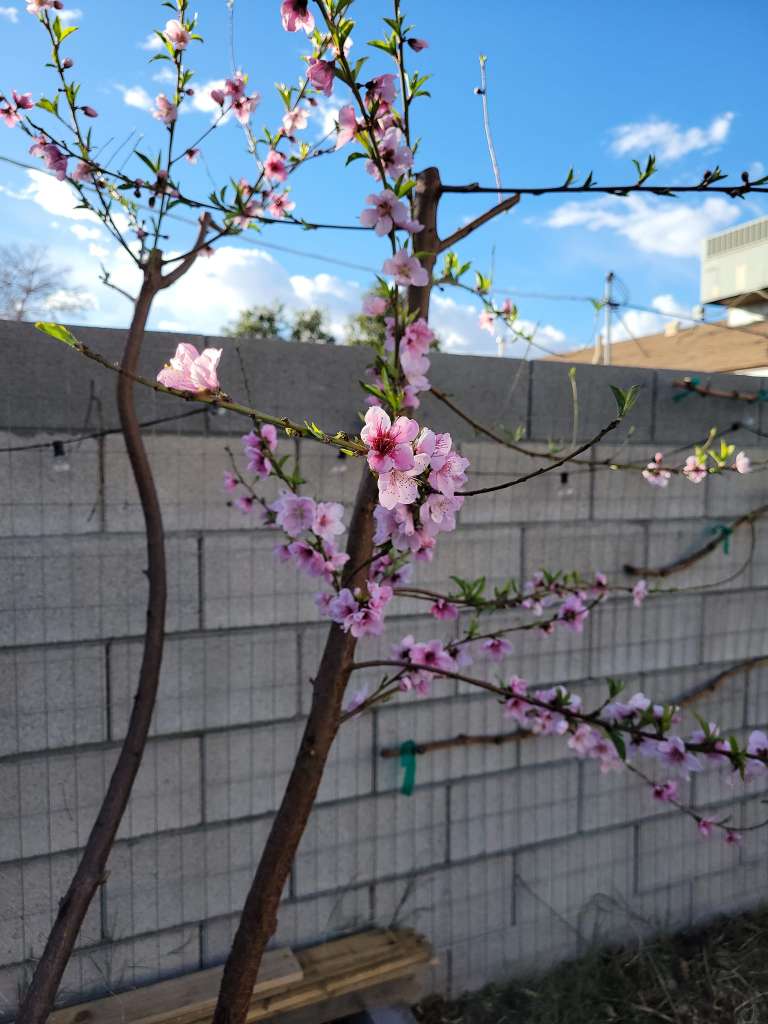
We have prepared a detailed guide to help you grow nectarines in containers, perfect for anyone with limited outdoor space or those wanting to enjoy fresh nectarines from their own patio or balcony.
1. Choosing the Right Container
Container Size:
- Nectarine trees require a large container, ideally 18-24 inches in diameter and at least 20 inches deep to support root growth and tree stability.
- For dwarf varieties, smaller containers (15-18 inches wide) may suffice, but larger containers promote healthier growth and better fruit production.
Material:
- Use materials that provide good insulation to protect roots from temperature fluctuations. Clay, ceramic, or resin pots work well, but be sure they have drainage holes.
Drainage:
- Good drainage is essential. Consider adding a layer of gravel at the bottom to prevent root rot, or elevate the pot slightly to allow excess water to escape easily.
2. Selecting the Right Nectarine Variety
- Dwarf or Semi-dwarf Varieties: Compact varieties like ‘Golden Prolific,’ ‘Necta Zee,’ or ‘Garden Delight’ are ideal for containers due to their smaller growth habit.
- Self-pollinating Varieties: If you’re only growing one tree, opt for a self-pollinating variety to ensure fruit production.
3. Planting Nectarines
Soil:
- Nectarines prefer a well-draining, fertile potting mix. A mix specifically formulated for fruit trees or one that combines potting soil with sand or perlite for drainage is ideal.
- Ensure the pH is between 6.0 and 7.0, as nectarines thrive in slightly acidic to neutral soil.
Planting Steps:
- Fill the container about halfway with soil.
- Place the nectarine tree in the pot, ensuring the graft union (the small bump near the base of the tree) sits above the soil line.
- Backfill the pot with soil, pressing it down gently to eliminate air pockets.
- Water thoroughly after planting to settle the soil and encourage root establishment.
4. Positioning and Sunlight Requirements
- Nectarines need full sun for at least 6-8 hours daily to produce high-quality fruit. Place the container in a sunny spot, such as a south-facing patio or balcony.
- If growing indoors, consider supplementing with grow lights to ensure adequate light exposure.
5. Watering Schedule
- Keep the soil consistently moist but not waterlogged. Nectarines are sensitive to both under- and over-watering.
- Water when the top 1-2 inches of soil feel dry to the touch.
- In hot weather, you may need to water daily, while in cooler seasons, reduce watering.
6. Fertilizing Nectarines in Containers
- Balanced Fertilizer: Use a balanced, slow-release fertilizer (e.g., 10-10-10 N-P-K) during the growing season (spring to early summer).
- Frequency: Fertilize every 6-8 weeks or as directed on the fertilizer label.
- Organic Options: If you prefer organic options, use compost, aged manure, or fish emulsion as they provide essential nutrients gradually.
7. Pruning and Training
- Prune nectarine trees annually to encourage new growth and maintain a compact shape suitable for containers.
- In late winter or early spring, remove any dead or diseased wood and trim back long branches to control size.
- Thin out crowded branches to improve air circulation, which helps prevent fungal diseases.
8. Pollination
- While many nectarine varieties are self-pollinating, placing the tree outdoors where bees and other pollinators can access it will improve fruit yield.
- For indoor nectarines, hand-pollinate flowers using a small paintbrush to transfer pollen between blooms.
9. Winter Care
- Nectarine trees in containers are more susceptible to cold than those in the ground. In colder climates:
- Move the container to a protected area, like a garage, during freezing temperatures.
- Insulate the pot with burlap or bubble wrap to protect roots from freezing.
- In warmer climates, allow the tree to experience natural dormancy, watering sparingly during winter.
10. Harvesting
- Nectarines are typically ready for harvest in late summer. The fruit should feel slightly soft and emit a sweet fragrance.
- Gently twist the fruit to remove it from the tree.
11. Repotting and Root Pruning
- Every 2-3 years, repot the tree into a slightly larger container or refresh the soil to prevent nutrient depletion and root crowding.
- During repotting, prune the roots if they appear tangled or overcrowded to encourage healthier growth.
Sign up to get our FREE weekly emails
Gardening guides, tips, & videos delivered right to your inbox!


