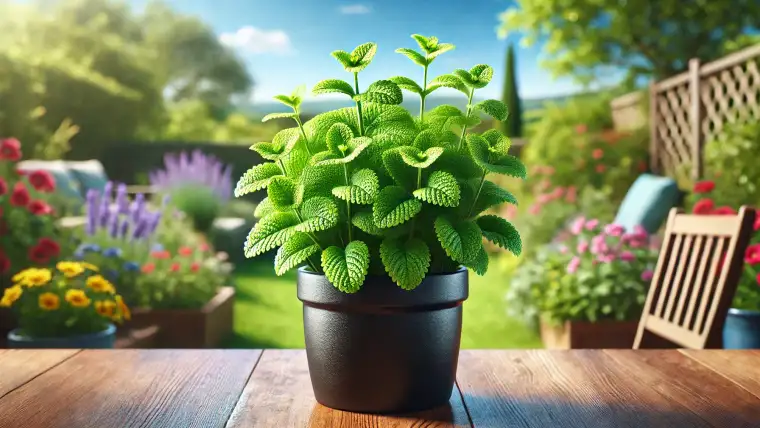
Using marshmallow plants (Althaea officinalis) in pots offers several benefits, both for gardening convenience and personal use. Growing marshmallows in pots provides flexibility in managing their growth conditions, as you can control soil quality, drainage, and sunlight exposure more effectively than in-ground planting.
This adaptability is particularly advantageous for urban gardeners or those with limited space, as pots can be placed on balconies, patios, or other compact areas. Moreover, the plant’s aesthetic appeal, with its soft, velvety leaves and pale pink or white flowers, makes it a lovely addition to any container garden.
In addition to its ornamental value, marshmallow is prized for its medicinal properties. The plant has been used for centuries in herbal remedies, as its roots, leaves, and flowers are known to soothe inflammation, treat respiratory issues, and alleviate skin irritations.
By growing marshmallow in pots, you have easy access to fresh plant material for teas, infusions, or topical applications. This setup also allows for better pest and disease control, ensuring a healthier harvest of this versatile herb for culinary and medicinal uses.
Growing Marshmallow in Pots
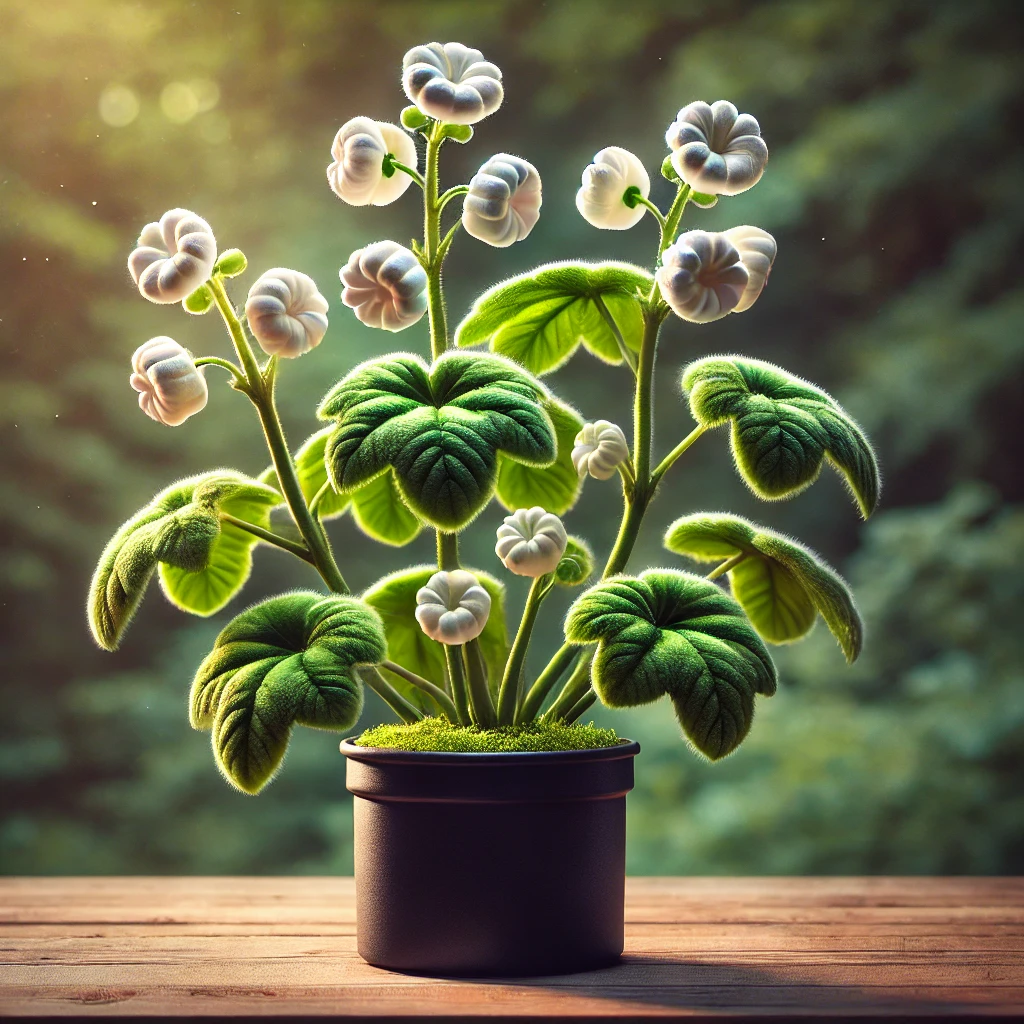
Marshmallow (Althaea officinalis) is a perennial herb known for its medicinal properties and delicate flowers. Growing marshmallow in pots is an excellent option for those with limited space or who wish to control growing conditions. Here’s a step-by-step guide to cultivating marshmallows in pots successfully:
1. Understanding Marshmallow Plants
- Origin: Native to marshy areas of Europe, Asia, and North Africa.
- Growing Habit: Perennial herbaceous plant that can reach up to 4–5 feet tall.
- Climate: Thrives in temperate regions with full to partial sun.
- Uses: Medicinal (soothing teas, syrups), culinary, and ornamental.
2. Materials Needed
- Seeds or Seedlings: Obtain marshmallow seeds from a reliable source or purchase healthy seedlings.
- Pot: Choose a pot that is at least 12–16 inches in diameter and has good drainage holes.
- Soil: Use a well-draining potting mix enriched with organic matter. A mix of loamy soil, compost, and sand works well.
- Fertilizer: Balanced, slow-release organic fertilizer.
- Watering Can: To keep the soil consistently moist.
3. Preparing the Pot
- Choose the Right Pot:
- Ensure the pot has adequate drainage to prevent waterlogging.
- Terracotta pots are ideal as they allow for better air circulation but require more frequent watering.
- Add Drainage Layer:
- Place small stones or broken pottery pieces at the bottom of the pot to aid drainage.
- Fill with Potting Mix:
- Fill the pot with the prepared soil mix, leaving about 2 inches from the top for watering.
4. Planting Marshmallow
- From Seeds:
- Soak seeds in warm water for 24 hours before planting to enhance germination.
- Plant seeds about ¼ inch deep in the soil.
- Space seeds 4–6 inches apart if planting more than one in a large container.
- Cover lightly with soil and water gently.
- From Seedlings:
- Dig a hole in the soil big enough to accommodate the seedling’s root ball.
- Place the seedling in the hole and firm the soil around it.
- Water thoroughly.
5. Care and Maintenance
- Watering:
- Marshmallows prefer consistently moist soil, mimicking their native marshy environment.
- Water regularly but avoid waterlogging.
- Fertilizing:
- Feed with a balanced fertilizer every 4–6 weeks during the growing season (spring and summer).
- Avoid over-fertilizing, as this can lead to excessive foliage growth at the expense of flowers.
- Pruning:
- Remove dead or yellowing leaves to maintain plant health.
- Trim the plant back to the base in late autumn to prepare for winter dormancy.
- Pest and Disease Control:
- Watch for pests like aphids or spider mites. Use neem oil or insecticidal soap if needed.
- Ensure good air circulation to prevent fungal diseases like rust or mildew.
- Sunlight: Place the pot in a location that receives 6–8 hours of direct sunlight daily.
- Temperature: Ideal temperature range is 60–85°F (15–29°C).
6. Harvesting
- Leaves:
- Harvest leaves for teas or medicinal uses in spring and early summer when the plant is actively growing.
- Roots:
- Dig up roots in autumn for medicinal purposes. Note: Harvest roots sparingly to allow the plant to regrow.
7. Overwintering and Repotting
- In colder climates, move the pot indoors to a cool, bright location.
- Reduce watering frequency during dormancy.
- Alternatively, insulate outdoor pots with bubble wrap or place them in a protected area.
- Repot the plant every 2–3 years to refresh the soil and accommodate root growth.
- Choose a pot 2–4 inches larger in diameter if the plant has outgrown its current container.
Tips for Success
- Companion Planting:
- Pair marshmallow with other moisture-loving herbs like mint or comfrey.
- Avoid Drying Out:
- Mulch the top of the soil with organic material to retain moisture.
- Patience:
- Marshmallow plants may take a year or two to establish fully and bloom.
FAQs
Yes, marshmallow plants can be grown in pots. They are adaptable and grow well in containers if their basic needs are met.
Keep the soil consistently moist but not waterlogged. Marshmallow plants are native to wetland areas and require regular watering, especially during dry periods.
When grown in pots, marshmallow plants typically reach a height of 3–5 feet (0.9–1.5 meters), depending on pot size and growing conditions.
Yes, they can be grown indoors if placed near a bright window or under a grow light that provides adequate sunlight.
Sign up to get our FREE weekly emails
Gardening guides, tips, & videos delivered right to your inbox!