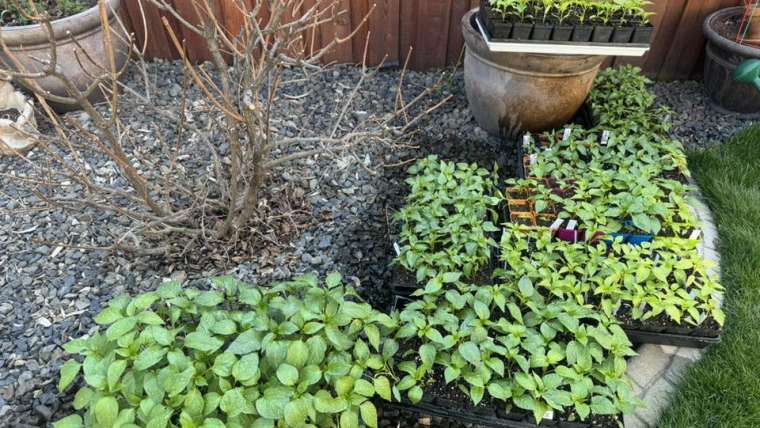
Lettuce. It might not have the flashy reputation of some other veggies, but don’t let that fool you—it’s a powerhouse of freshness. If you’ve never grown it, think of it as the refreshing salad hero that doesn’t need a fancy dressing to shine. Crisp, cool, and with just the right hint of bitterness, lettuce is the unsung star of the garden. Plus, it’s packed with nutrients!
Lettuce is super easy to grow, making it perfect for beginner gardeners. It thrives in the cooler months, especially in spring and fall. Plant it in early spring or late summer, and you’ll have crisp, vibrant leaves ready in just a few weeks. If you’re the impatient type (no shame in that), some varieties, like loose-leaf lettuce, are quick to show off their harvest.
Now, before you rush to toss those seeds into a pot, hold up. Lettuce prefers a little space to stretch out, so make sure you plant it in well-drained soil with some room to breathe. It’s also a fan of shade during the hottest part of the day, so if you’re growing it in the summer, make sure it gets some afternoon cool-down time.
And the best part? You can keep it growing pretty much year-round, as long as you’re willing to adjust your planting schedule based on your climate. Lettuce is a low-maintenance companion that loves regular water and a little love—but trust me, it’s totally worth it. Oh, and don’t forget—fresh lettuce in your salad is a quick, healthy win that just feels right!
How to Grow Lettuce

Growing lettuce is a relatively simple and rewarding gardening task that can be done in a garden bed, container, or even indoors with the right setup. Below is a comprehensive guide to help you plant, grow, and harvest lettuce.
Planting Lettuce
- Choose the Right Variety:
- There are several types of lettuce: loose-leaf, romaine, butterhead, and crisphead. Choose based on your climate and preference.
- Timing:
- Lettuce is a cool-season crop. Plant in early spring and again in late summer for a fall harvest.
- It grows best when the temperature is between 60°F and 70°F (15°C to 21°C).
- Site Selection:
- Choose a location that gets full sun or partial shade, especially in warmer climates.
- Lettuce prefers well-drained, fertile soil rich in organic matter.
- Soil Preparation:
- Prepare the soil by adding compost or organic matter to improve fertility and drainage.
- The ideal soil pH is between 6.0 and 7.0.
- Planting Seeds:
- Sow seeds directly in the garden or start them indoors 4-6 weeks before transplanting.
- Space seeds about 1/4 inch deep and 1 inch apart. Thin seedlings to about 6-12 inches apart depending on the variety.
- If transplanting, place seedlings in the ground about 6-12 inches apart.
Growing Lettuce
- Watering:
- Lettuce needs consistent moisture. Water regularly, keeping the soil evenly moist but not waterlogged.
- Water in the morning to minimize evaporation and prevent disease.
- Fertilizing:
- Lettuce is a fast-growing plant that benefits from additional nutrients.
- Use a balanced fertilizer, such as 10-10-10, every 2-3 weeks.
- Weeding and Mulching:
- Keep the area weed-free to reduce competition for nutrients and water.
- Apply mulch around the plants to retain moisture and suppress weeds.
- Pest Control:
- Watch for pests like aphids, slugs, and snails. Use organic pest control methods, such as neem oil or diatomaceous earth.
- Cover plants with row covers to protect from insects and frost.
- Thinning:
- Thin the plants as they grow to ensure good air circulation and reduce the risk of disease.
Harvesting Lettuce
- Timing:
- Harvest loose-leaf varieties as soon as the leaves are big enough to eat. For head varieties, wait until the head is firm and full.
- Lettuce is best harvested in the morning when it’s crisp and full of moisture.
- Harvesting Methods:
- For loose-leaf varieties, pick individual leaves or cut the whole plant at the base.
- For head lettuce, use a sharp knife to cut the entire head at the base.
- You can also harvest “cut-and-come-again” by snipping the outer leaves and letting the inner leaves continue to grow.
- Post-Harvest:
- Rinse the leaves in cool water and pat dry. Store in the refrigerator in a plastic bag or container with a damp paper towel to keep them fresh.
- Successive Planting:
- To ensure a continuous supply of lettuce, plant seeds every 2-3 weeks.
Lettuce Growing Zone
The growing zone for lettuce depends on the type of lettuce and the specific growing conditions, but generally, lettuce can be grown in USDA Hardiness Zones 2 through 11.
Lettuce is a cool-season crop that thrives in temperatures between 60°F and 70°F (15°C to 21°C), making it ideal for spring and fall planting in most regions.
Here’s a general guideline:
- Zones 2-4: Lettuce can be planted in early spring as soon as the soil can be worked, and again in late summer for a fall harvest.
- Zones 5-7: Plant lettuce in early spring and fall. You can also grow it in late winter if you have a cold frame or greenhouse.
- Zones 8-11: Plant lettuce in fall, winter, and early spring. It may bolt (go to seed) quickly if planted in summer, so it’s best to avoid the hottest months.
Lettuce is sensitive to heat, so in warmer climates, it’s often grown as a winter crop. In cooler climates, it can be grown throughout the growing season.
Growing Lettuce FAQ
There are several types of lettuce you can grow, including leaf lettuce, romaine, butterhead (Bibb), and crisphead (like iceberg). Each type has its own growing requirements and time to maturity.
Lettuce is a cool-weather crop, so it’s best planted in early spring or fall. It can be planted directly into the ground as soon as the soil can be worked in spring, or in late summer for a fall harvest.
Depending on the type, lettuce can take anywhere from 30 to 70 days to reach maturity. Leaf lettuce varieties typically mature faster than head types.
Lettuce seeds come from the flower heads of a mature lettuce plant. The flowers of the lettuce plant are usually small and yellow, and once pollinated, they develop seed heads. These seed heads contain the lettuce seeds, which can be collected once the flowers have dried out and the seeds are fully mature.
Start by cutting off the base of a lettuce head, leaving about 1-2 inches of the stem intact. Place the base in a shallow dish with about half an inch of water, ensuring the cut side is facing up, and place the dish in a sunny spot. Change the water daily, and within a few days, you’ll notice roots forming at the bottom and new leaves sprouting from the top.
Yes, lettuce can technically be frozen, but it’s not ideal for fresh salads due to its high water content, which causes it to become mushy and lose its crisp texture when thawed.
Start by selecting a lettuce head and cutting off the base, leaving about an inch of the stem intact. Place the cut end in a shallow dish of water, ensuring that only the base is submerged. Position the dish in a sunny spot. Change the water every couple of days. Within a week, you’ll begin to see new leaves sprouting from the center.
Lettuce and cabbage look similar but they are distinct vegetables with different characteristics. Lettuce is typically used in salads, known for its soft, tender leaves and mild flavor. On the other hand, cabbage has a denser, more compact head with thicker and tougher leaves.
Yes, lettuce can be grown indoors in containers or hydroponically. Make sure it receives plenty of light, either from a sunny window or grow lights, and maintain consistent moisture.
Leaf lettuce can be harvested when the leaves are large enough to eat, typically around 4-6 inches tall. For head lettuce, wait until the heads are firm and fully formed.
Once lettuce bolts, the leaves become bitter and tough. It’s best to remove bolted plants and replant in cooler weather or provide shade to prevent future bolting.
Sign up to get our FREE weekly emails
Gardening guides, tips, & videos delivered right to your inbox!