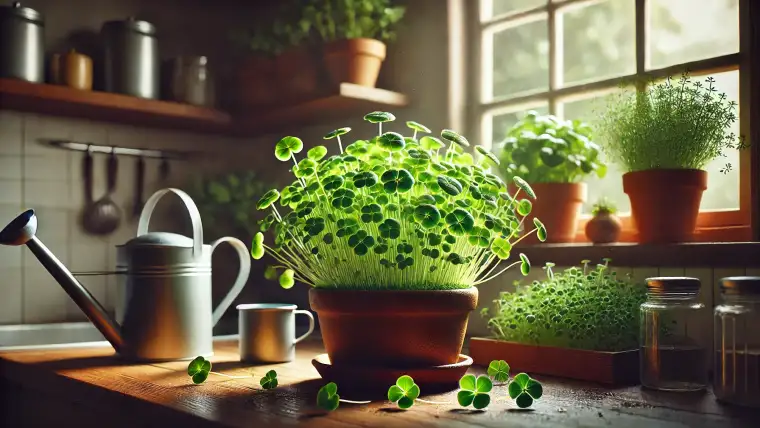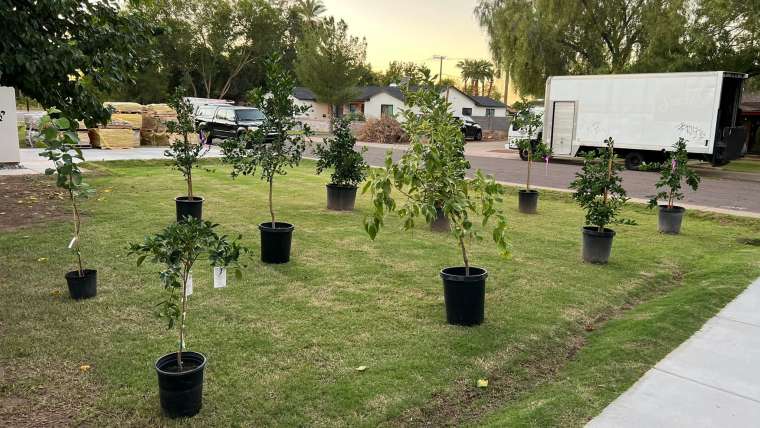
Growing lemongrass in pots offers several advantages, especially for those with limited garden space or colder climates.
Pots allow for easy control over soil quality, drainage, and sunlight exposure, ensuring optimal growth conditions.
Since lemongrass is sensitive to frost, container planting makes it easy to move the plant indoors during colder months. It also helps contain its growth, as lemongrass can spread quickly in the ground.
Additionally, having potted lemongrass nearby—on patios or balconies—provides convenient access for culinary use, insect repellent purposes, and enjoying its aromatic fragrance.
How to Grow Lemongrass in a Pot

Lemongrass is a fragrant herb used in culinary dishes, teas, and natural remedies. It’s easy to grow in containers and ideal for small spaces, balconies, or patios. Check out our comprehensive step-by-step guide to growing lemongrass in pots successfully.
1. Choosing the Right Variety
Lemongrass has two primary varieties:
- East Indian Lemongrass (Cymbopogon flexuosus): Commonly used for essential oils.
- West Indian Lemongrass (Cymbopogon citratus): Preferred for cooking and teas.
If you plan to use lemongrass for culinary purposes, opt for the West Indian variety.
2. Materials Needed
- Lemongrass stalks or seeds
- Pot with drainage holes (at least 12 inches deep and wide)
- Well-draining potting mix (mixed with sand or perlite)
- Compost or organic fertilizer
- Watering can or spray bottle
3. Planting Lemongrass in Pots
Starting from Stalks (Easiest Method)
- Buy fresh stalks from the market with their bases intact.
- Trim the tops and place the stalks in a glass of water with the base submerged.
- Change water every 2 days until roots emerge (within 1-2 weeks).
- Transfer the rooted stalks to a pot filled with potting soil, burying them 2 inches deep.
- Space each stalk at least 1-2 inches apart if planting multiple stalks in one pot.
Starting from Seeds
- Sow the seeds ¼ inch deep into the potting soil.
- Water lightly and cover the pot with plastic to retain moisture.
- Place in a warm spot (70-75°F or 21-24°C). Seeds will sprout in 2-3 weeks.
- Once seedlings grow to 3 inches tall, thin them out by transplanting the strongest ones into larger pots.
4. Potting Mix and Container Tips
- Use a well-draining potting mix with added compost for nutrients.
- Ensure the pot has adequate drainage holes to prevent root rot.
- Choose a large container (12-16 inches wide) to allow the lemongrass to spread.
5. Watering and Fertilizing Lemongrass
- Water regularly, keeping the soil moist but not waterlogged.
- Mist the leaves occasionally to replicate humidity.
- Fertilize with a balanced liquid fertilizer every 4-6 weeks during the growing season (spring and summer).
- Add compost or organic fertilizer to maintain soil health.
6. Light and Temperature Requirements
- Full sun exposure is crucial—6-8 hours of sunlight daily.
- Lemongrass thrives in warm temperatures (70-95°F or 21-35°C).
- If grown indoors, place the pot near a bright window or use a grow light.
- In colder climates, move the pots indoors during winter or place them in a greenhouse, as lemongrass is sensitive to frost.
7. Pruning and Maintenance
- Trim older leaves regularly to encourage new growth.
- Harvest stalks by cutting them close to the base when they are 12 inches tall.
- Removing dead or yellow leaves helps maintain the plant’s health and appearance.
8. Common Pests and Diseases
- Lemongrass is generally pest-resistant, but spider mites or aphids can occasionally appear.
- Spray plants with neem oil or insecticidal soap if pests are detected.
- Avoid overwatering to prevent root rot and fungal diseases.
9. Harvesting Lemongrass
- Lemongrass stalks are ready to harvest when they are 12-18 inches tall.
- Cut the stalks at the base of the plant using garden shears.
- Store the harvested stalks in the refrigerator for up to 2 weeks or freeze them for long-term use.
10. Overwintering Lemongrass in Cold Climates
- Cut the plant back to a few inches above the soil before the first frost.
- Move the pot indoors to a cool, sunny location (around 50-60°F or 10-15°C).
- Water lightly during the winter months to prevent the soil from drying out completely.
11. Propagating Lemongrass
- Divide the plant every 2-3 years to keep it healthy and prevent crowding.
- Carefully separate the roots and replant the divisions in fresh pots.
FAQ
For sure! Lemongrass thrives in pots as long as the pot provides enough space for its roots to spread and good drainage.
Lemongrass prefers moist soil, so water daily during hot weather or when the top 1-2 inches feel dry. Ensure the pot drains properly to avoid waterlogging.
Yes, but it requires bright, indirect light or artificial grow lights. Keep it near a south-facing window for the best results.
In warm climates, it can grow year-round. In cooler areas, bring it indoors during winter or overwinter it by cutting it back and reducing watering.
Sign up to get our FREE weekly emails
Gardening guides, tips, & videos delivered right to your inbox!