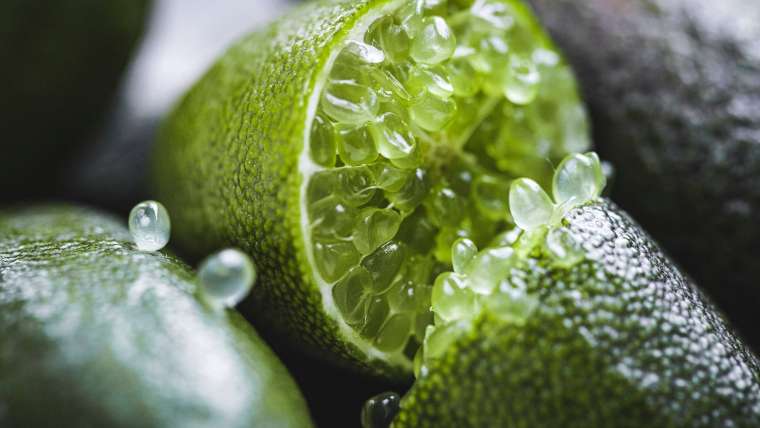
Jabuticaba. Weird name, but trust me, this fruit is a gem. If you’ve never had one, picture a grape that’s been living its best life in the Brazilian heat.
The skin’s dark and almost wrinkly, but inside? Pure magic. It’s sweet, with a bit of tang, and the juiciness will make you wonder why you ever bothered with regular grapes. Jabuticaba grows straight on the trunk of the tree, making it look like the branches are covered in little jewels.
It flowers and fruits in the same season, typically in spring, and though it can be picky, it’s worth the wait. The tree itself is a beauty—short, with a thick trunk that’s perfect for those “look at me” moments.
If you’re thinking about growing one, they like a warm spot with plenty of sun, but don’t go overboard with the water. They can be a little fussy when it comes to container growing, so let them dig their roots into some ground for best results.
And while you might be tempted to snack right off the tree, it’s best to give them a little TLC in the beginning—a bit of shade and protection as they settle in. But once they’re established? You’ll be enjoying fresh jabuticaba for years to come.
Jabuticaba, often referred to as the Brazilian grape tree, is a unique and intriguing fruit native to South America, particularly Brazil.
Resembling large, dark purple grapes, jabuticabas have a sweet and slightly tart flavor, making them a popular choice for eating fresh or using in various culinary applications such as jellies, wines, and liqueurs.
The fruit is rich in antioxidants, vitamins, and minerals, contributing to its status as a nutritious and health-promoting addition to any diet.
The process of harvesting jabuticaba is as unique as the fruit itself, often involving hand-picking to carefully select the ripe fruits directly from the tree’s trunk.
This distinctive fruit not only delights the palate but also showcases the remarkable biodiversity of the Brazilian flora.
How to Grow Jabuticaba Trees

Growing Jabuticaba can be a special experience, as this unique Brazilian fruit tree offers delicious grape-like berries that grow directly on its trunk and branches. Below is a guide to help you successfully cultivate Jabuticaba.
Planting Jabuticaba
Choosing a Location:
- Jabuticaba trees thrive in subtropical and tropical climates.
- Select a site with full sun to partial shade. They can tolerate some shade but produce more fruit in full sun.
- Ensure the soil is well-drained, as Jabuticaba trees do not tolerate waterlogged conditions.
Soil Preparation:
- Jabuticaba prefers slightly acidic to neutral pH (5.5 to 6.5).
- Enrich the soil with organic matter, such as compost or well-rotted manure.
- If planting in a pot, choose a large container to accommodate the tree’s growth.
Planting the Tree:
- Seedlings or Saplings:
- Dig a hole twice the width and the same depth as the root ball.
- Place the tree in the hole and fill it with soil, ensuring the tree is planted at the same depth it was in the pot.
- Water thoroughly after planting.
- Seeds:
- Soak seeds in water for 24 hours before planting.
- Plant seeds in a well-draining seed-starting mix.
- Keep the soil moist and in a warm location with indirect light until germination, which can take 3-4 weeks.
Growing Jabuticaba
Watering:
- Jabuticaba trees need consistent moisture, especially during dry periods.
- Water deeply but avoid waterlogging the soil.
- Mulch around the tree to retain moisture and regulate soil temperature.
Fertilization:
- Apply a balanced fertilizer (e.g., 10-10-10) three times a year: early spring, midsummer, and early autumn.
- Supplement with micronutrients like iron, manganese, and zinc if the tree shows signs of deficiency (yellowing leaves).
Pruning:
- Prune to shape the tree and remove any dead or diseased branches.
- Thin out branches to improve air circulation and sunlight penetration.
Pests and Diseases:
- Jabuticaba is relatively pest-resistant but can be affected by aphids, scale, and fruit flies.
- Treat infestations with organic insecticides or insecticidal soap.
- Ensure good air circulation to prevent fungal diseases like powdery mildew.
Harvesting Jabuticaba
Fruit Development:
- Jabuticaba trees produce fruit directly on the trunk and branches.
- Fruit can be expected 5-8 years after planting from seed, or 3-4 years for grafted trees.
Signs of Ripeness:
- The fruit is ripe when it turns a deep purple to black color.
- Berries are about 1 inch in diameter.
Harvesting Tips:
- Gently twist or pull the berries from the tree.
- Harvest daily during the fruiting season, as ripe fruit does not stay on the tree for long.
Storage:
- Fresh Jabuticaba berries can be stored in the refrigerator for up to a week.
- They can be frozen or made into jams, jellies, and wines for longer preservation.
Jabuticaba Growing Zone
- Jabuticaba is a tropical and subtropical fruit tree native to Brazil. It grows best in USDA hardiness zones 9 through 12. These zones typically include regions with mild winters and warm summers.
Growing Jabuticaba FAQ
Jabuticaba (Plinia cauliflora) is a Brazilian fruit tree known for its grape-like fruits that grow directly on its trunk and branches. The fruit is dark purple to black and has a sweet, grape-like flavor.
Jabuticaba is best suited for subtropical and tropical climates. It thrives in regions with mild winters and warm, humid summers. It can also be grown in containers in cooler climates, allowing for protection from frost.
Jabuticaba trees can take several years to begin fruiting. Grafted trees may produce fruit in 3-5 years, while seed-grown trees can take 8-15 years. Once mature, the trees can produce multiple crops per year.
Jabuticaba can be propagated by seeds, grafting, or air layering. Seeds should be planted fresh and kept moist. Grafting is often used to produce fruit-bearing trees more quickly.
Several factors can affect fruiting, including tree age, insufficient sunlight, poor soil fertility, and inadequate watering. Ensure your tree is healthy and receiving proper care to encourage fruit production.
Sign up to get our FREE weekly emails
Gardening guides, tips, & videos delivered right to your inbox!