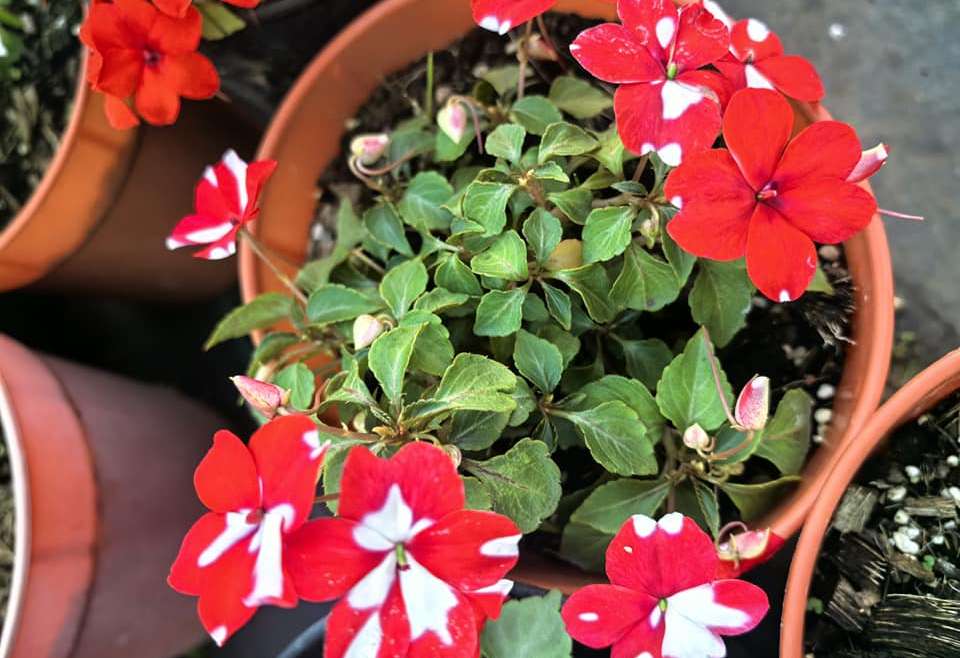
Growing impatiens in pots offers so many benefits, making them a popular choice for both beginner and experienced gardeners. These versatile flowers thrive in shaded areas, making them ideal for spaces where other plants may struggle.
By planting impatiens in containers, you gain the flexibility to move them around your garden, patio, or even indoors, allowing you to create dynamic displays of color. Their compact growth habit and ability to bloom continuously throughout the season provide vibrant, low-maintenance beauty with minimal effort. Pots also provide better control over soil quality and moisture levels, helping impatiens stay healthy and lush even in challenging weather conditions.
It’s also worth noting that growing impatiens in pots helps protect them from common garden pests and diseases, which are easier to manage in a contained environment. This method of planting can reduce the risk of issues like root rot, as excess water drains more efficiently in pots. The portability of containers also means you can bring your impatiens inside to protect them from harsh weather or frost, extending their blooming season. With a wide variety of colors and types available, impatiens in pots can enhance small spaces, brighten balconies, and add charm to shaded entryways or windowsills.
Growing Impatiens in a Pot

Impatiens are popular annual flowers known for their vibrant colors, shade tolerance, and ease of growth. They produce blooms in shades of pink, red, white, purple, and orange, adding brightness to any shaded garden or patio.
Growing impatiens in pots is an excellent choice for gardeners who want to liven up their shaded balconies, patios, or porches. With proper care, impatiens thrive in containers and produce lush, colorful blooms throughout the season.
1. Selecting the Right Impatiens
There are several types of impatiens you can choose from:
- Common Impatiens (Impatiens walleriana): Best suited for shaded spots.
- New Guinea Impatiens (Impatiens hawkeri): Tolerates partial sun and has larger flowers and more striking foliage.
- Double Impatiens: Have rose-like blooms and add a unique texture to container gardens.
Tip: Choose varieties based on the amount of light available in your space.
2. Choosing the Right Pot
- Size: A pot at least 10-12 inches in diameter works well for a single plant or a small group of impatiens. Larger pots can accommodate more plants for a fuller look.
- Material: Terracotta, ceramic, plastic, or resin pots all work. Ensure the pot has drainage holes to prevent root rot.
- Depth: A depth of 8-12 inches is ideal.
Tip: If using a decorative pot without drainage holes, place a plastic pot inside it.
3. Choosing the Right Soil
- Use a lightweight, well-draining potting mix.
- Impatiens prefer soil rich in organic matter. Adding a bit of compost or peat moss to the mix helps retain moisture.
- Avoid using garden soil, as it can be too dense for potted plants.
4. Planting Impatiens in Pots
- Prepare the Pot: Fill the pot with potting mix, leaving 1-2 inches from the top.
- Planting: Dig a small hole for each plant. Space impatiens 6-8 inches apart to allow for growth.
- Plant Depth: Plant impatiens at the same depth as they were in their nursery containers.
- Firm the Soil: Gently press the soil around the plants to eliminate air pockets.
- Water Thoroughly: Water until you see water draining from the bottom of the pot.
5. Light Requirements
- Common Impatiens: Prefer shade to partial shade.
- New Guinea Impatiens: Can tolerate morning sun but need afternoon shade.
- Double Impatiens: Best in full shade to protect their delicate blooms.
Tip: Avoid direct afternoon sunlight, which can scorch the leaves.
6. Watering Impatiens
- Frequency: Water regularly to keep the soil consistently moist but not waterlogged.
- Test Soil: Check the soil with your finger. If the top inch feels dry, it’s time to water.
- Early Morning Watering: Helps prevent mildew and allows plants to absorb moisture before the heat of the day.
Tip: Impatiens wilt quickly if they dry out but usually recover after a good watering.
7. Fertilizing Impatiens
- Type of Fertilizer: Use a balanced, water-soluble fertilizer (e.g., 10-10-10 or 20-20-20).
- Frequency: Feed every 2-3 weeks during the growing season (spring through fall).
- Slow-Release Fertilizer: Alternatively, use a slow-release fertilizer at planting time for continuous feeding.
8. Deadheading and Pruning
- Deadheading: Remove spent blooms to encourage continuous flowering.
- Pruning: Pinch back stems occasionally to promote bushier growth and prevent the plant from getting leggy.
Tip: Impatiens are self-cleaning, meaning they often drop spent blooms on their own.
9. Common Pests and Diseases
- Pests: Watch for aphids, spider mites, and whiteflies. Use insecticidal soap if needed.
- Diseases: Impatiens can suffer from:
- Powdery Mildew: Prevent by providing good air circulation.
- Downy Mildew: Causes yellowing and leaf drop. If affected, remove and destroy infected plants.
Tip: Avoid overhead watering to minimize disease risks.
10. Overwintering Impatiens
Impatiens are typically grown as annuals. If you want to overwinter them:
- Bring Pots Indoors: Before the first frost, move your impatiens to a sunny indoor location.
- Reduce Watering: Water less frequently during winter.
- Spring Prep: When temperatures warm up, move them back outside after hardening off.
Tips for Success
- Mulch: A thin layer of mulch helps retain moisture in pots.
- Grouping: Combine impatiens with other shade-loving plants like ferns and coleus for variety.
- Rotation: Occasionally rotate pots to ensure even growth.
FAQs
Impatiens prefer partial to full shade. Morning sun and afternoon shade are ideal. Avoid direct midday sun, which can scorch the leaves.
Some varieties, like SunPatiens, can handle full sun. Regular impatiens should be kept in shady areas.
Space impatiens 6-8 inches apart to allow good air circulation and room for growth.
Water when the top inch of soil feels dry. Impatiens like consistently moist but not soggy soil. In hot weather, you may need to water daily.
Yes. Overwatering can cause root rot. Ensure pots have drainage holes to prevent standing water.
Impatiens are self-cleaning and generally don’t need deadheading. However, removing spent flowers can promote more blooms.
Pinch back the tips to encourage bushier growth and more branching.
Impatiens are annuals but can be brought indoors and kept in a sunny spot through the winter. Alternatively, take cuttings to propagate new plants.
Yes, impatiens can last all summer long with proper care. These shade-loving annuals bloom continuously from late spring through the first frost
Your potted impatiens may be dying due to overwatering, underwatering, excessive sun exposure, poor drainage, or fungal diseases like downy mildew.
Impatiens can be killed by factors such as downy mildew, root rot, overwatering, drought, pests like spider mites, or extreme temperature changes.
Sign up to get our FREE weekly emails
Gardening guides, tips, & videos delivered right to your inbox!