
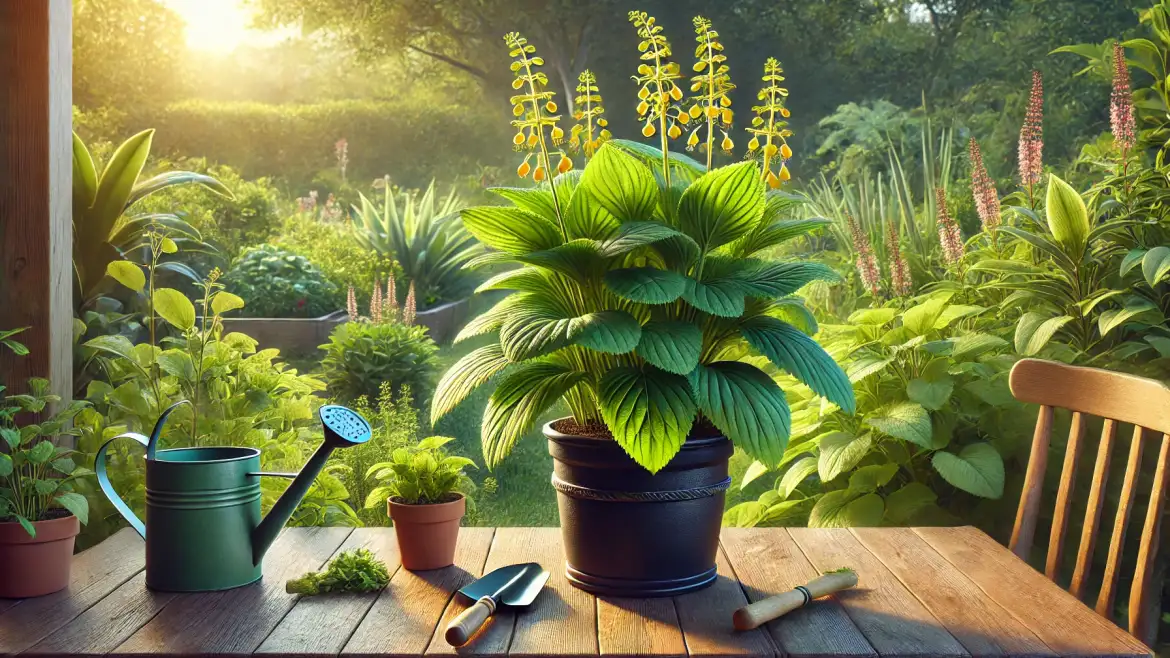
Growing goldenseal in pots offers so many benefits, particularly for gardeners seeking to cultivate this medicinal herb in controlled conditions. One significant advantage is the ability to control the plant’s environment, including soil composition, moisture levels, and light exposure.
Goldenseal grows well in rich, well-drained soil with consistent moisture and partial to full shade, conditions that can be easily maintained in a pot. This control helps prevent diseases and pests commonly found in outdoor gardens. Additionally, container gardening allows growers to move the plants indoors or to shaded areas during extreme weather, ensuring their survival and optimal growth.
Another key benefit is the conservation of goldenseal’s natural habitat, as the plant is often overharvested in the wild due to its medicinal value. Growing it in pots allows gardeners to meet their personal or commercial needs without contributing to the depletion of wild populations.
Pots also make it possible to grow goldenseal in urban settings, where outdoor gardening space may be limited. By cultivating the plant in pots, gardeners can ensure sustainable harvesting of its roots for medicinal purposes while enjoying the convenience of a portable and manageable garden setup.
Growing Goldenseal in a Pot

Goldenseal (Hydrastis canadensis) is a shade-loving perennial herb native to North America, prized for its medicinal roots. Growing goldenseal in pots is an excellent option if you lack garden space or want to control its growing environment. Here’s a step-by-step guide:
1. Understand Goldenseal’s Requirements
Goldenseal thrives under specific conditions that mimic its natural woodland habitat:
- Light: Partial to full shade.
- Soil: Rich, well-draining, and slightly acidic (pH 5.5-6.5).
- Water: Consistently moist but not waterlogged.
- Temperature: Prefers cool climates, USDA zones 3-8.
2. Choose the Right Pot
- Size: A pot at least 12-18 inches deep and wide is ideal to allow the roots to spread.
- Material: Terracotta pots are excellent for their breathability, but plastic pots retain moisture better in hot climates.
- Drainage: Ensure the pot has sufficient drainage holes to prevent waterlogging.
3. Prepare the Soil
- Base Mix: Use a mix of high-quality potting soil, compost, and peat moss.
- Amendments: Add perlite or sand for drainage and aged leaf mold to mimic forest conditions.
4. Select Propagation Material
Goldenseal can be propagated via seeds or rhizomes.
- Rhizomes: The most reliable method. Choose healthy rhizomes with buds (eyes).
- Seeds: Require stratification (cold treatment) for germination and are slower to establish.
5. Planting
- Rhizomes:
- Plant rhizomes horizontally, 1-2 inches deep.
- Cover with soil and lightly press down.
- Seeds:
- Sow seeds shallowly, covering them lightly with soil.
- Water gently to settle the soil.
6. Watering and Placement
- Watering:
- Keep the soil consistently moist but avoid standing water.
- Use rainwater or distilled water if possible, as goldenseal prefers slightly acidic water.
- Placement:
- Place the pot in a shaded location, such as a porch, under a tree, or using shade cloth.
- Avoid direct sunlight, which can scorch the plant.
7. Fertilizing and Mulching
- Feed the plant with a balanced, slow-release fertilizer during the growing season (spring to early fall).
- Avoid over-fertilizing, as goldenseal prefers low to moderate nutrient levels.
- Add a layer of organic mulch (e.g., bark chips or leaf mold) on top of the soil to retain moisture and regulate temperature.
8. Maintenance
- Weeding: Remove weeds that compete for nutrients.
- Pruning: Trim any yellowing or dead leaves to encourage healthy growth.
- Pest Management: Goldenseal is generally pest-resistant but watch for slugs or snails in humid conditions.
9. Harvesting
- Goldenseal roots typically take 3-5 years to mature.
- To harvest:
- Gently dig up the rhizomes in the fall after the leaves die back.
- Leave some rhizomes in the pot to ensure continuous growth.
10. Winter Care and Repotting
- Goldenseal is hardy, but potted plants may need extra protection in cold climates.
- Move the pot to an unheated garage or mulch heavily around the base.
- Reduce watering to prevent root rot.
- Repotting: Every 2-3 years, repot goldenseal to refresh the soil and prevent root overcrowding.
Tips for Success
- Use companion plants like ferns or other woodland species for added aesthetic and ecosystem benefits.
- Avoid overwatering, the most common cause of failure.
Growing goldenseal in pots is a rewarding endeavor for herb enthusiasts. With proper care, you’ll enjoy a thriving plant while keeping this valuable herb easily accessible.
FAQs
Yes, goldenseal can be successfully grown in pots, making it an excellent option for gardeners with limited space or those who want to control soil conditions more precisely.
Keep the soil consistently moist but not waterlogged. Check the soil regularly and water when the top inch feels dry.
Yes, goldenseal can be grown indoors if provided with the right conditions, such as indirect light, adequate humidity, and proper watering.
Sign up to get our FREE weekly emails
Gardening guides, tips, & videos delivered right to your inbox!


