Growing butternuts, also known as white walnuts, in containers offers several advantages, particularly for gardeners with limited space or challenging soil conditions. Containers provide controlled environments that protect young trees from pests, diseases, and adverse weather, allowing for better monitoring of water and nutrient levels. This method also enables mobility, making it easier to relocate the trees for optimal sunlight exposure or seasonal protection.
Container-grown butternuts can be cultivated on patios or urban settings, extending their cultivation to areas where traditional ground planting isn’t feasible. Additionally, it facilitates the early growth phase, which can later be transplanted into the ground if desired, ensuring healthy establishment and robust yields.
Growing Butternuts in Pots
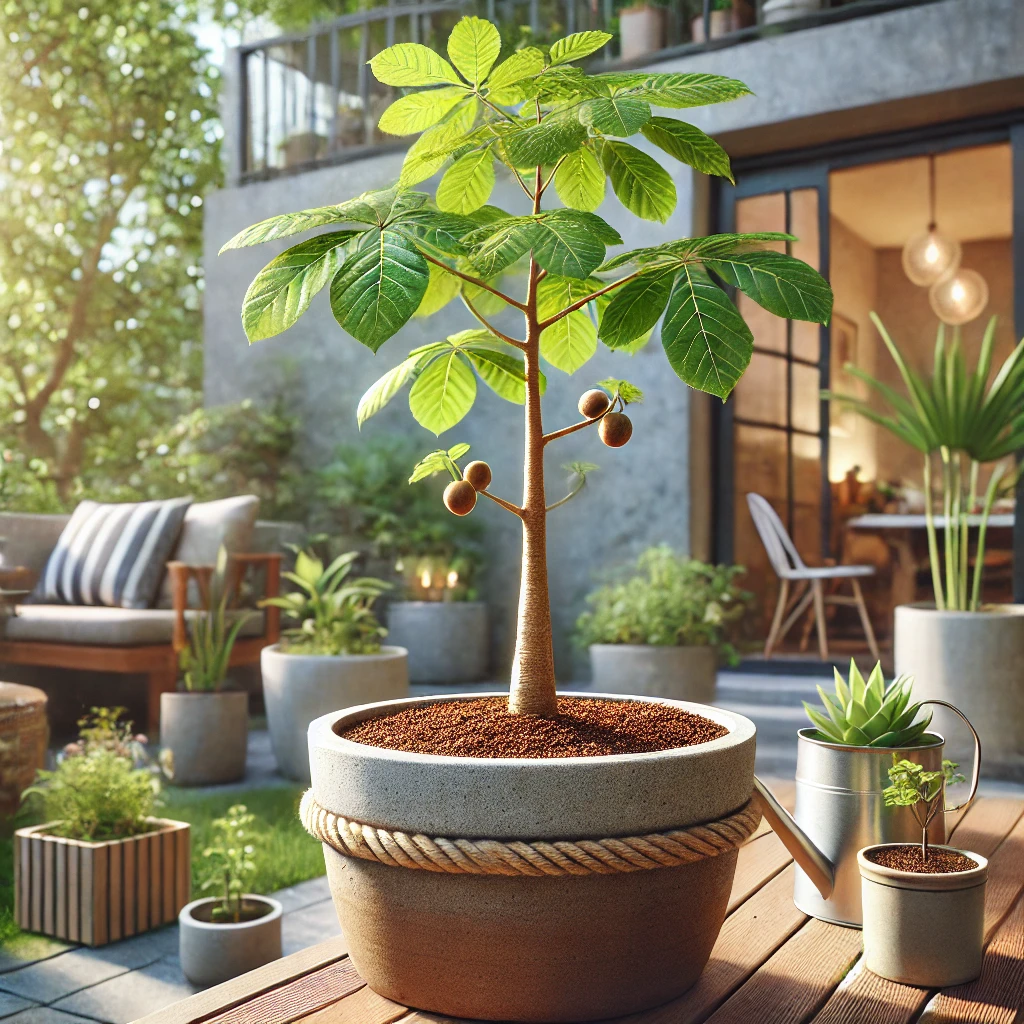
Growing butternut trees (Juglans cinerea), also known as white walnut trees, in containers is an unconventional but rewarding method for those who have limited space or want to cultivate these trees in non-traditional settings.
While butternut trees are typically grown directly in the ground due to their large size and extensive root systems, container cultivation is possible with careful planning and ongoing maintenance. Here’s a step-by-step guide to help you succeed
Step 1: Understanding Butternut Trees
Butternut trees are deciduous trees native to North America, valued for their edible nuts and hardwood. Before growing them in containers, consider the following:
- Growth Characteristics: Butternut trees can grow up to 20–30 meters (66–98 feet) tall in the wild. In containers, their growth will be restricted.
- Lifespan: They are long-lived trees but are prone to diseases like butternut canker.
- Climate Needs: Butternuts thrive in USDA zones 3–7 and prefer full sun.
- Time to Maturity: Nut production begins around 6–10 years in ideal conditions but may take longer in containers.
Step 2: Choosing the Right Container
A large and durable container is essential for the tree’s health and stability.
- Size: Start with a container at least 20 gallons in capacity and upgrade as the tree grows. A mature butternut tree may need a container of 50 gallons or more.
- Material: Use sturdy materials like heavy-duty plastic, fiberglass, or ceramic to support the weight of the soil and tree.
- Drainage: Ensure the container has multiple drainage holes to prevent root rot.
Step 3: Selecting the Soil
Butternut trees prefer well-draining, slightly acidic to neutral soil.
- Composition: Use a mix of loamy soil, sand, and organic compost to create a rich, well-draining medium.
- pH Level: Aim for a soil pH between 6.0 and 7.0.
- Additives: Consider adding a slow-release fertilizer or mycorrhizal fungi to promote root health.
Step 4: Planting the Tree
- Start with a Sapling: Choose a disease-resistant butternut sapling or grow from seed (note: seeds take longer to establish).
- Prepare the Container:
- Add a layer of gravel or coarse sand at the bottom to improve drainage.
- Fill the container with the soil mix, leaving enough space for the root ball.
- Planting:
- Place the sapling or germinated seedling in the container.
- Fill the container with soil, covering the roots but leaving the trunk base exposed.
- Firmly press the soil and water thoroughly.
Step 5: Watering and Fertilizing
- Watering: Keep the soil consistently moist but not waterlogged. Water deeply to encourage strong root growth.
- Fertilizing:
- Use a balanced fertilizer (e.g., 10-10-10) in spring and summer.
- Avoid over-fertilizing, which can damage the roots.
Step 6: Providing Proper Lighting and Temperature
- Light: Place the container in a location that receives full sun for at least 6–8 hours daily.
- Temperature: Butternut trees tolerate cold winters but must be protected from extreme heat or frost if grown in containers. Move the container indoors or to a sheltered location during harsh weather.
Step 7: Pruning and Maintenance
- Pruning: Prune dead or diseased branches and shape the tree during its dormant season (late winter).
- Repotting: Repot every 2–3 years to refresh the soil and accommodate root growth.
- Pest and Disease Management:
- Monitor for pests like aphids or borers.
- Watch for signs of butternut canker and remove affected areas promptly.
Step 8: Encouraging Nut Production
- Pollination: Butternut trees are monoecious, producing both male and female flowers. However, they benefit from cross-pollination. If possible, grow two trees in containers or have another butternut tree nearby.
- Patience: Nut production in containers may take longer due to restricted growth.
Step 9: Winter Care
- Protection: If your climate is cold, insulate the container by wrapping it in burlap or moving it to a garage or greenhouse.
- Dormancy: Reduce watering during winter as the tree enters dormancy.
Step 10: Harvesting Butternuts
- When to Harvest: Nuts are ready for harvest in late summer to early fall when the green husks begin to split.
- How to Harvest: Remove the nuts by hand and let them dry for several weeks before cracking.
Challenges and Tips
- Restricted Growth: Trees in containers will not grow as large as those in the ground, but proper care can still yield healthy trees.
- Weight Management: Large containers can become very heavy; consider using rolling plant stands for mobility.
- Disease Control: Proactively manage diseases like butternut canker with regular inspections.
FAQ
Yes, butternut trees can be grown in containers when they are young. However, as they grow, their extensive root systems will require transplanting to a larger container or the ground.
Water deeply whenever the top 1–2 inches of soil feels dry. Avoid waterlogging, as butternut trees are sensitive to overwatering.
Yes, but nut production may be limited compared to trees grown in the ground due to space and nutrient constraints. For nut production, ensure proper pollination by having another butternut tree nearby.
Prune the tree regularly to control its size. Focus on shaping the tree and removing any dead or overcrowded branches.
Sign up to get our FREE weekly emails
Gardening guides, tips, & videos delivered right to your inbox!