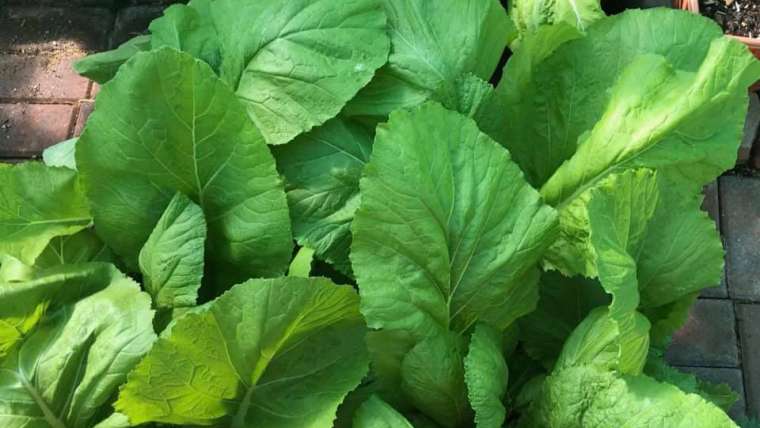
Growing broccoli in containers offers several benefits, making it a great option for gardeners with limited space or less-than-ideal soil conditions. Containers allow you to control the soil quality, ensuring that your broccoli gets the nutrients it needs, and they help manage pests more effectively by isolating the plants.
In addition to all of that, container gardening makes it easy to move the plants to optimal locations for sunlight and temperature, extending the growing season. This method also reduces the risk of root diseases, promotes better drainage, and allows for easier access to the plants for care and harvesting.
How to Grow Broccoli in Containers

Broccoli is a nutrient-rich crop that thrives in cool weather, making it perfect for early spring and fall growing seasons. With a little care, you can grow it right on your balcony, patio, or garden using containers.
1. Choosing the Right Container
Broccoli plants require deep, well-draining containers to accommodate their large root systems. Here’s what to keep in mind:
- Container Size: Choose a pot that is at least 5 gallons in volume with a minimum depth of 12-18 inches. The larger the pot, the more space for roots to grow, leading to healthier plants.
- Material: Plastic, ceramic, or fabric pots are suitable. Ensure the pot has drainage holes to prevent waterlogging.
- Number of Plants per Pot: You can grow one broccoli plant per container or, for larger containers (20 gallons), up to 2-3 plants spaced apart.
2. Soil Preparation
Broccoli prefers rich, well-draining soil that retains moisture but doesn’t become waterlogged.
- Soil Type: Use high-quality potting soil mixed with compost or well-rotted manure to provide nutrients. Broccoli prefers soil with a pH between 6.0 and 7.0.
- Fertilizer: Mix a slow-release organic fertilizer into the soil before planting to give your broccoli a nutrient boost. As the plant grows, apply additional fertilizer every 3-4 weeks.
3. Choosing Broccoli Varieties
Certain broccoli varieties perform better in containers due to their compact growth habits. Some good container-friendly varieties include:
- ‘Calabrese’: A traditional variety that produces large heads.
- ‘Green Magic’: Known for its resistance to heat, making it a good option for warmer climates.
- ‘Waltham 29’: A compact, cold-hardy variety.
- ‘De Cicco’: An heirloom variety that produces smaller but flavorful heads.
4. Planting Broccoli in Containers
You can start broccoli from seeds or transplants.
- From Seed: Start seeds indoors 6-8 weeks before the last frost date. Sow seeds ¼ inch deep in small pots or seed trays and keep them in a warm place. Broccoli seeds germinate best at temperatures between 60°F and 70°F.
- From Transplants: If starting with transplants, purchase healthy plants with a sturdy stem. Plant them outdoors after the danger of frost has passed, or for fall crops, 10-12 weeks before the first expected frost.
Planting Depth: When transplanting, plant the broccoli deep enough so the first set of leaves is just above the soil level. This helps stabilize the plant as it grows.
Spacing: If using a large container, space the plants 12-18 inches apart to allow room for growth.
5. Light and Temperature Requirements
Broccoli is a cool-season crop that prefers mild temperatures.
- Light: Broccoli requires full sun, which means at least 6 hours of direct sunlight each day. If growing indoors or in a shady area, consider supplemental grow lights.
- Temperature: Broccoli thrives in temperatures between 60°F and 70°F. It can tolerate light frost but does not perform well in temperatures above 80°F, as this can cause bolting (premature flowering).
6. Watering Your Broccoli
Consistent moisture is key to growing healthy broccoli.
- Watering Frequency: Keep the soil evenly moist, but not waterlogged. Water deeply when the top inch of soil feels dry. Containers dry out faster than garden soil, so check the moisture levels frequently, especially on warm, sunny days.
- Mulching: Add a layer of organic mulch (like straw or shredded leaves) around the base of the plant to help retain moisture and regulate soil temperature.
7. Fertilizing Your Broccoli
Broccoli is a heavy feeder, so it requires regular feeding to grow large, healthy heads.
- Type of Fertilizer: Use a balanced, water-soluble fertilizer (like 10-10-10) every 2-3 weeks during the growing season. You can also use organic fertilizers like fish emulsion or compost tea.
- Timing: Start fertilizing when the plants are 4-6 weeks old. As the heads begin to form, switch to a fertilizer high in phosphorus and potassium to encourage head development.
8. Supporting Broccoli Growth
Broccoli plants can become top-heavy as they grow larger heads.
- Staking: If your broccoli plants start to lean, use stakes or tomato cages to support them. Tie the main stem loosely to the stake to prevent it from bending or breaking.
- Pest Control: Common pests like cabbage worms, aphids, and flea beetles can damage broccoli. Inspect plants regularly and use organic insecticidal soap or neem oil to treat infestations. Floating row covers can also protect plants from pests.
9. Harvesting Broccoli
Broccoli is ready to harvest when the heads are firm, tight, and dark green, before the buds begin to flower.
- Harvest Time: Depending on the variety, broccoli takes 60-100 days from seed to harvest.
- How to Harvest: Use a sharp knife to cut the central head when it’s 4-8 inches in diameter. After the main head is harvested, smaller side shoots may develop, allowing for additional harvests.
- Post-Harvest Care: After harvesting, leave the plant in the container to see if it produces side shoots for a second crop.
10. Tips for Success
- Succession Planting: To have a continuous supply of broccoli, plant new seeds or transplants every 2-3 weeks throughout the growing season.
- Overwintering: In mild climates, broccoli can be grown through the winter if protected from frost with row covers or grown in a greenhouse.
- Rotate Crops: If you plan to grow broccoli again in the same container, rotate with other crops like beans or peas to avoid soil depletion and reduce the risk of pests.
FAQ
Yes, broccoli can be successfully grown in pots as long as the container is large enough (12-18 inches deep) and provides good drainage.
Broccoli thrives in full sunlight, needing 6-8 hours of sunlight daily. It can also tolerate partial shade but may not grow as vigorously.
Water your broccoli regularly to keep the soil moist but not waterlogged. Broccoli prefers consistent moisture, so check the soil frequently, especially in hot weather.
Plant broccoli in early spring or late summer for a fall harvest. Broccoli prefers cooler temperatures, making it ideal for spring or fall growing seasons.
Depending on the variety, broccoli typically takes 50-70 days to mature. Keep an eye on the central head, and harvest when it’s fully formed but before it begins to flower.
Sign up to get our FREE weekly emails
Gardening guides, tips, & videos delivered right to your inbox!