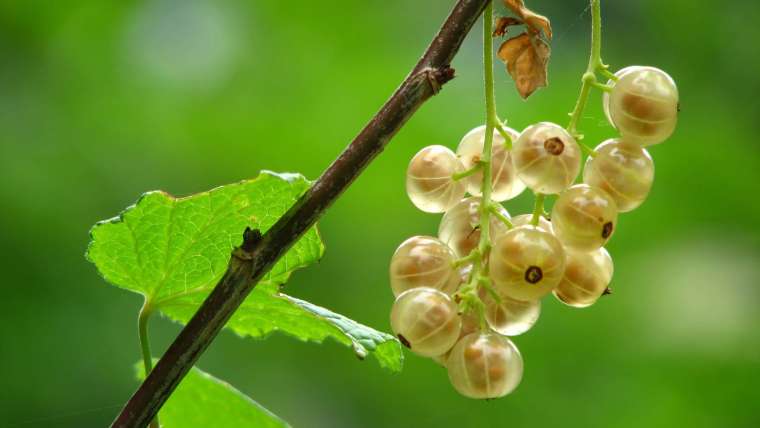
Blueberries. Simple name, outstanding fruit. If you’ve never had one, think of a tiny, jewel-like explosion of sweetness and tang, packed into a little blue orb that somehow manages to be both refreshing and indulgent at the same time.
Blueberries are an absolute gem in the fruit world, and they’re surprisingly easy to grow. They’re the kind of fruit that doesn’t need to be fussy to deliver on flavor. Plus, they’re packed with antioxidants and all sorts of health benefits, making them a guilt-free snack.
They bloom in the spring, reach their peak ripeness in summer, and (here’s the best part) most varieties of blueberries fruit within just a couple of years—so you won’t be waiting forever to enjoy them.
Blueberries thrive best in acidic soil and don’t need that much of space, so you can easily find them a good spot in your balcony, or wherever you want.
And just like any plant worth its fruit, they do need a bit of care at the beginning. Plenty of sunlight, regular watering, and some mulch to keep the soil cool and moist will help them thrive.
The bush itself? Beautiful. Lush green leaves in the summer that turn a fiery red in fall, giving you some gorgeous seasonal color before the berries are even picked. If you’re lucky, you’ll have more blueberries than you know what to do with—so maybe share the love with your neighbors.
How to Grow Blueberries

Growing blueberries can be a rewarding experience. Below is a comprehensive guide to ensure a successful blueberry harvest, straight from your garden.
Planting Blueberries
- Choosing the Right Variety:
- Highbush Blueberries: Best for cooler climates.
- Rabbiteye Blueberries: Prefer warmer climates.
- Lowbush Blueberries: Good for cold, northern regions.
- Site Selection:
- Sunlight: Full sun is ideal.
- Soil: Well-drained, acidic soil with a pH of 4.5-5.5.
- Soil Preparation:
- Test soil pH and amend with sulfur if necessary to lower pH.
- Incorporate organic matter like compost or peat moss.
- Planting:
- Spacing: Space plants about 4-5 feet apart.
- Depth: Dig a hole twice the size of the root ball, place the plant, and cover with soil.
- Watering: Water thoroughly after planting.
Growing Blueberries
- Watering:
- Keep soil consistently moist but not waterlogged.
- Water deeply once a week.
- Mulching:
- Apply a 2-4 inch layer of mulch (pine needles, wood chips) to conserve moisture and suppress weeds.
- Fertilizing:
- Use a fertilizer formulated for acid-loving plants.
- Fertilize in early spring and again after harvest.
- Pruning:
- Prune annually in late winter to remove dead or weak branches.
- Thin out older branches to encourage new growth.
- Protection:
- Use netting to protect from birds.
- Monitor for pests like aphids and caterpillars, and treat accordingly.
Harvesting Blueberries
- Timing:
- Blueberries typically ripen mid to late summer.
- Berries are ready to harvest when they are fully blue and come off easily with a slight twist.
- Picking:
- Harvest every few days as berries ripen.
- Avoid picking under-ripe berries, as they won’t ripen after picking.
- Post-Harvest:
- Store fresh blueberries in the refrigerator for up to two weeks.
- Freeze berries for longer storage by spreading them in a single layer on a baking sheet, freezing, then transferring to a freezer-safe container.
Blueberries Growing Zone
Blueberries thrive in a range of growing zones, generally between USDA hardiness zones 2 through 10. However, the specific type of blueberry plant best suited for your area depends on your exact zone and climate conditions. Here are some general guidelines:
- Northern Highbush Blueberries: Best suited for zones 4 to 7. These require colder climates and a significant amount of winter chill hours.
- Southern Highbush Blueberries: Best suited for zones 7 to 10. These tolerate warmer climates and have lower chill hour requirements.
- Rabbiteye Blueberries: Best suited for zones 7 to 9. These are highly adaptable to warmer regions and more drought-resistant.
- Lowbush Blueberries: Best suited for zones 2 to 6. These thrive in colder climates and are often found in the wild in northern areas.
To ensure the best growth and fruit production, it’s important to select the blueberry variety that matches your local climate and soil conditions.
Tips for Success
- Soil Testing: Regularly test soil pH and adjust as needed.
- Pollination: Plant multiple varieties to improve cross-pollination and increase yield.
- Weed Control: Keep the area around the plants free of weeds.
- Winter Protection: In colder climates, mulch heavily to protect roots during winter.
Growing Blueberries FAQ
Blueberries thrive in acidic soil with a pH between 4.5 and 5.5. The soil should be well-drained, high in organic matter, and sandy.
The best time to plant blueberries is in early spring or late fall when the plants are dormant.
While some blueberry varieties are self-pollinating, planting more than one variety can improve fruit set and yield through cross-pollination.
Prune blueberry bushes in late winter or early spring before new growth begins. Remove dead, damaged, or weak branches, and thin out crowded areas to improve air circulation.
Blueberry plants typically start producing fruit 2 to 3 years after planting, with full production occurring in about 6 years.
Yes, blueberries can be grown in containers. Choose a large container with good drainage and use acidic potting soil. Container-grown blueberries may need more frequent watering.
Blueberries are typically in season from late spring to early fall, with peak harvest times varying by region.
Sign up to get our FREE weekly emails
Gardening guides, tips, & videos delivered right to your inbox!