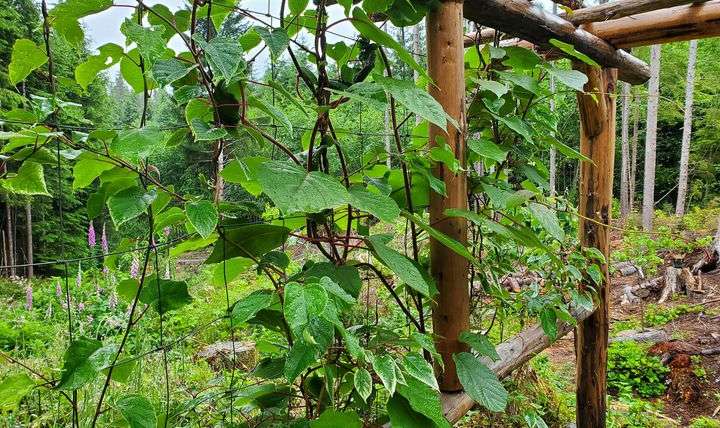
Growing beans in pots offers so many benefits, making it an ideal choice for small-space gardening. This method provides better control over soil quality, drainage, and exposure to sunlight, promoting healthy growth and higher yields. Container gardening is perfect for urban areas, balconies, or patios, allowing gardeners to enjoy fresh, organic beans even in limited spaces.
In addition to all of that, growing beans in pots helps prevent pests and diseases common in traditional gardening while offering the flexibility to move plants for optimal conditions. By choosing the right pot size, nutrient-rich soil, and proper watering techniques, you can maximize your harvest of pole beans, bush beans, or green beans.
Growing Beans in Containers

Growing beans in pots is a straightforward and rewarding way to enjoy fresh vegetables at home, even if you don’t have access to a large garden.
Here we provide you with a step-by-step guide to help you grow healthy, productive bean plants in containers.
1. Choose the Right Type of Beans
Beans come in two main types, and your choice will influence the container size and support structure:
- Bush Beans: Compact and ideal for small spaces. They don’t require much support.
- Pole Beans: Vining varieties that grow tall and need stakes, trellises, or other supports.
2. Select the Right Container
- Size: Use a container that’s at least 12 inches deep and wide. Pole beans will need larger, heavier pots for stability, while bush beans can grow in smaller containers.
- Material: Clay, plastic, or fabric pots work well. Ensure the pot has drainage holes to prevent waterlogging.
3. Choose the Right Soil
- Use a lightweight potting mix enriched with organic matter. Avoid garden soil, as it can compact in containers.
- Beans prefer well-drained soil with a pH of 6.0 to 7.0. You can mix in some compost or aged manure for added nutrients.
4. Position the Pot
- Beans need at least 6-8 hours of full sunlight daily. Place your pot in a sunny spot like a balcony, patio, or near a window.
- If you’re growing indoors, use a grow light to provide sufficient light.
5. Plant the Seeds
- Spacing: Plant seeds about 1 inch deep and 3-4 inches apart. For bush beans, you can sow more seeds closely; pole beans require more spacing.
- Watering After Planting: Water the soil gently but thoroughly after planting.
6. Watering and Moisture
- Keep the soil consistently moist but not soggy. Water when the top inch of soil feels dry.
- Avoid overhead watering; water the base of the plants to reduce the risk of fungal diseases.
7. Support for Pole Beans
- Insert stakes, bamboo canes, or a trellis into the pot when planting pole beans. This provides support as they grow.
- Train the vines to climb by gently tying them to the support structure with soft ties or garden tape.
8. Fertilizing
- Beans are light feeders and can fix their own nitrogen. Too much fertilizer can result in lush foliage but fewer beans.
- Apply some compost or worm castings sparingly once the plants start flowering.
9. Mulching
- Add a thin layer of organic mulch, like straw or wood chips, to retain soil moisture and prevent weeds.
10. Pest and Disease Control
- Watch out for common pests like aphids, spider mites, and bean beetles. Use insecticidal soap or neem oil to manage infestations.
- Prevent fungal diseases by ensuring good air circulation and avoiding waterlogged soil.
11. Harvesting
- Bush Beans: Ready to harvest about 50-60 days after planting.
- Pole Beans: May take slightly longer but will produce beans over a longer period.
- Pick beans when they are firm and crisp, and before seeds inside become too large. Regular harvesting encourages more production.
12. End-of-Season Care
- Once the plants stop producing, remove them from the container.
- Compost the spent plants if they are healthy; avoid composting if they had pest or disease issues.
- Refresh the soil in the pot before planting another crop or season.
Pro Tips for Success
- Rotate Crops: Don’t grow beans in the same soil consecutively to reduce the risk of soil-borne diseases.
- Companion Planting: Grow beans with vegetables like carrots, radishes, or marigolds to deter pests and maximize space.
- Succession Planting: For continuous harvest, plant a new batch every 2-3 weeks during the growing season.
FAQs
Yes, beans can be successfully grown in containers, making them an excellent option for small spaces like patios or balconies.
Plant 2-3 seeds per square foot of container space.
Keep the soil consistently moist but not soggy. Water when the top inch of soil feels dry. Beans in containers may need more frequent watering than those in the ground.
Yes, but they need a bright, sunny window or grow lights to thrive. Pole beans may require additional space and height for their supports.
Sign up to get our FREE weekly emails
Gardening guides, tips, & videos delivered right to your inbox!