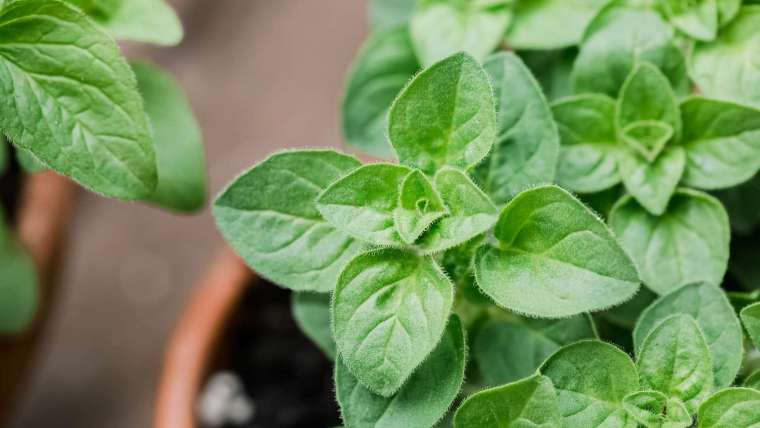
Basil. Simple name, but oh, what a flavor bomb. If you’ve never tasted it fresh, think of the perfect blend of sweet, savory, and just a hint of pepper—like a herb that’s been living its best life in the sun, soaking up all the good vibes. Basil’s a must-have in the garden, whether you’re adding it to a pasta dish or throwing it into a smoothie. Plus, it’s got health benefits too—good for digestion, antioxidants, the whole shebang.
It grows like a dream in the summer, and if you give it the right care, it’ll keep producing leaves all season long. But here’s the catch—basil’s picky. It loves warmth but can’t stand the cold, so if you’re in a cooler spot, make sure it’s in a pot you can bring inside. Also, don’t overdo the watering—it’s a delicate balance between thirsty and soggy. Give it regular pruning, and you’ll have more leaves than you know what to do with.
The plant itself? Beautiful. Lush, bright green leaves that smell like summer. And, bonus, you can make your own pesto or even rub the leaves between your hands and let the fragrance take you straight to the Mediterranean.
How to Grow Basil
Growing basil is a rewarding and relatively simple process, whether you’re doing it indoors or outdoors. Basil thrives in warm, sunny environments and requires well-draining soil rich in organic matter.
Below is a basic guide to get you started.
Planting Basil
- Choosing a Variety: Basil comes in several varieties, such as Sweet Basil, Thai Basil, and Purple Basil. Choose a variety that suits your culinary needs.
- Location: Basil thrives in warm weather and needs full sun (at least 6-8 hours a day). It can be grown in gardens or pots.
- Soil: Basil prefers well-draining soil rich in organic matter. A slightly acidic to neutral pH (6.0-7.0) is ideal.
- Planting Seeds or Seedlings:
- Seeds: Sow seeds indoors 6 weeks before the last frost or directly in the garden after the danger of frost has passed. Cover seeds with a thin layer of soil and water gently.
- Seedlings: If using transplants, plant them 12-18 inches apart to allow for growth.
- Watering: Keep the soil consistently moist but not waterlogged. Water the plants in the morning to avoid fungal issues.
Growing Basil
- Temperature: Basil loves warm temperatures. Keep it away from frost, and if temperatures drop below 50°F (10°C), consider bringing potted basil indoors.
- Fertilizing: Basil benefits from a balanced, organic fertilizer. Fertilize once a month, but avoid over-fertilizing, as this can reduce the plant’s flavor.
- Pruning: Regularly pinch back the tips of basil plants to encourage bushier growth and prevent flowering. Flowering can reduce the flavor of the leaves.
- Pests and Diseases: Watch out for pests like aphids, slugs, and spider mites. Basil is also susceptible to fungal diseases, so ensure good air circulation and avoid overhead watering.
Harvesting Basil
- Timing: You can start harvesting basil leaves once the plant has grown 6-8 inches tall. Regular harvesting encourages the plant to produce more leaves.
- How to Harvest: Cut leaves just above a pair of leaves or nodes. Avoid harvesting more than a third of the plant at a time to keep it healthy.
- Storing: Fresh basil can be stored in a glass of water on the countertop or wrapped in a damp paper towel and placed in a plastic bag in the fridge. For long-term storage, consider drying or freezing basil.
Tips for Success
- Companion Planting: Basil grows well with tomatoes, peppers, and other vegetables. It can also help repel some pests when planted near other crops.
- Indoor Growing: Basil can be grown indoors on a sunny windowsill or under grow lights.
- End of Season: As the growing season ends, you can bring basil plants indoors to extend their life, or harvest the remaining leaves and dry them for later use.
Basil Growing Zone
Basil thrives best in USDA hardiness zones 10 and above, where the climate is warm year-round. In these zones, basil can be grown as a perennial, meaning it will continue to grow for several years if conditions are favorable.
However, in most other regions (zones 1-9), basil is typically grown as an annual, as it is highly sensitive to frost.
In these cooler zones, basil should be planted after the last frost date in spring and can be grown indoors or in containers to extend its growing season.
Growing Basil FAQ
Basil can be grown indoors if it receives enough light. Place it near a south-facing window or use a grow light to ensure it gets at least 6 hours of light per day.
Start with a well-draining container at least 6-8 inches deep. Plant basil seeds or a young plant, placing it in a sunny spot. Water regularly, keeping the soil moist but not waterlogged. Pinch off the top leaves to encourage bushier growth and prevent the plant from flowering, which can cause the leaves to lose flavor.
Basil is a tender annual that is sensitive to frost. In colder climates, it won’t survive the winter outdoors. You can bring potted basil plants indoors or grow new plants from seeds or cuttings in the spring. In warmer climate, it can grow as a perennial.
It’s recommended to plant one basil plant per pot. However, if you have a larger pot, such as one with a diameter of at least 12 inches, you can consider planting two or three basil plants.
Basil generally prefers full sun, which means at least 6-8 hours of direct sunlight each day. However, it can tolerate some shade, particularly in hot climates where too much sun might scorch the leaves.
Harvest basil leaves regularly to encourage new growth. Pinch off the leaves just above a pair of leaves or a branching stem, starting from the top of the plant. Avoid taking more than one-third of the plant at a time.
Yes, basil can be propagated from cuttings. Cut a 4-inch stem just below a leaf node, remove the lower leaves, and place it in water until roots form. Once the roots are about an inch long, you can plant it in soil.
Sign up to get our FREE weekly emails
Gardening guides, tips, & videos delivered right to your inbox!