
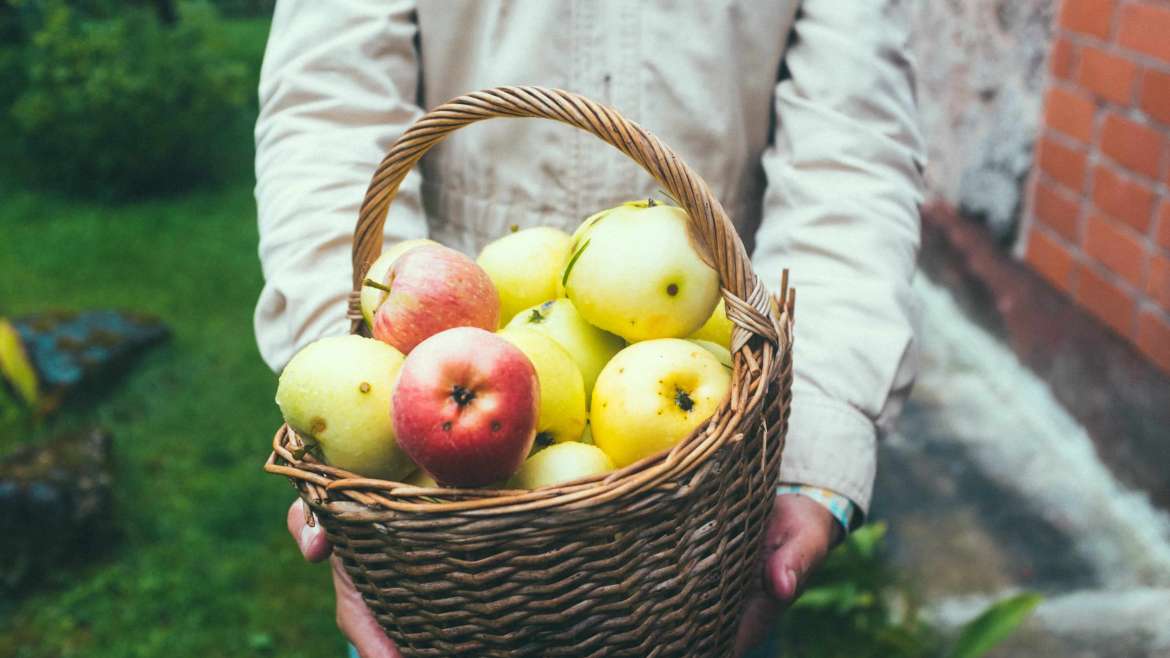
Growing apple trees in containers is an excellent option for those with limited space or for gardeners who want the convenience of a portable orchard. With the right care and conditions, apple trees can thrive in pots.
How to Grow Apple Trees in Pots

This guide will walk you through the entire process of growing apple trees in containers, from selecting the right tree to long-term care and harvesting.
1. Choosing the Right Apple Tree
Variety Selection: When growing apple trees in containers, it’s important to choose a dwarf or semi-dwarf variety, as these are more suitable for limited root space. Some ideal varieties include:
- Dwarf Apple Trees: ‘Golden Delicious,’ ‘Gala,’ ‘Fuji,’ or ‘Honeycrisp.’
- Self-Pollinating Varieties: If space is limited and you want just one tree, opt for self-pollinating types like ‘Golden Delicious’ or ‘Granny Smith.’
- Climate Considerations: Ensure the variety you select is suitable for your local climate, particularly in terms of hardiness zones and chill hours required for fruiting.
2. Selecting the Right Container
Size of Container: Apple trees need large pots for their roots to grow and access nutrients. Choose a container that is at least 18-24 inches (45-60 cm) in diameter and depth. As the tree grows, you may need to repot it into a larger container.
Material of Container: The container should have drainage holes to prevent waterlogging. You can use:
- Terracotta pots (good breathability but heavy),
- Plastic pots (lightweight but may not offer good airflow),
- Wooden barrels (rustic look, excellent insulation).
3. Potting Soil and Planting
Soil Type: Use high-quality, well-draining potting mix. A blend of compost, perlite, and garden loam is ideal. Avoid regular garden soil, as it may compact and prevent proper root growth in containers.
Planting the Tree:
- Place a layer of gravel or small stones at the bottom of the pot to improve drainage.
- Fill the container halfway with potting soil.
- Position the apple tree in the center of the pot, making sure the graft union (the visible bulge on the trunk where the scion was grafted onto the rootstock) is just above the soil line.
- Fill the rest of the pot with soil, gently pressing it down to remove air pockets.
- Water thoroughly after planting.
4. Sunlight and Location
Sunlight Requirements: Apple trees need full sun to thrive. Place the container in a location that receives at least 6-8 hours of direct sunlight each day. A south-facing location is ideal.
Protection from Wind: Position the tree in a spot where it’s protected from strong winds, which can dry out the soil and cause stress on the tree. If necessary, stake the tree to provide extra support.
5. Watering and Feeding
Watering: Apple trees in containers dry out faster than those planted in the ground. Water deeply whenever the top 1-2 inches of soil feel dry. Avoid overwatering, as apple trees do not tolerate soggy soil.
Fertilizing: Feed the tree with a balanced, slow-release fertilizer, ideally in early spring and mid-summer. Avoid fertilizing after mid-summer to prevent stimulating new growth that could be damaged in winter.
- Use a 10-10-10 fertilizer for balanced nutrients.
- Supplement with organic compost or well-rotted manure in the top layer of soil for added nutrients.
6. Pruning and Training
Pruning: Pruning helps maintain the shape of the tree and encourages fruit production. It’s best done in late winter or early spring when the tree is dormant.
- Remove any dead, damaged, or crossing branches.
- Thin out crowded areas to improve airflow.
- Cut back the tree’s height to keep it manageable, focusing on keeping the central leader (main vertical branch) dominant.
Training: Use a support stake or trellis to guide the tree’s growth, particularly in the early stages. You can train apple trees to grow in different shapes, such as espalier (flat against a wall), which is ideal for small spaces.
7. Pollination
Pollination Needs: Most apple trees require cross-pollination to produce fruit. This means you may need two different varieties for successful pollination.
If space is limited, consider purchasing a multi-graft tree or growing a companion tree in a nearby container.
To encourage natural pollination, place the tree where bees and other pollinators can easily access it, or hand-pollinate using a soft brush.
8. Pest and Disease Management
Common Pests:
- Aphids: Tiny insects that suck sap from leaves. Spray with insecticidal soap or use a strong water spray to dislodge them.
- Apple Maggots and Codling Moths: Can damage fruit. Use traps or apply organic insecticides like neem oil.
Common Diseases:
- Powdery Mildew: A fungal infection causing white patches on leaves. Prune affected branches and improve air circulation.
- Apple Scab: Causes dark, scabby spots on fruit and leaves. Remove affected leaves and apply fungicides if necessary.
Preventive Measures:
- Regularly inspect the tree for signs of pests or diseases.
- Keep the area around the tree clean of fallen leaves and fruit to reduce fungal infections.
9. Winter Care
Winterizing the Container: In colder climates, container-grown apple trees are more vulnerable to frost damage due to exposed roots. Here’s how to protect your tree during winter:
- Move the container to a sheltered spot, such as a garage or covered porch.
- Wrap the pot in bubble wrap or burlap to insulate the roots.
- Water sparingly during winter dormancy, but don’t allow the soil to dry out completely.
If moving the tree indoors, ensure it’s placed in a cool, unheated area (preferably 35-45°F or 1-7°C) to maintain dormancy.
10. Harvesting
Time to Harvest: Apple trees typically take 2-3 years to produce fruit. Harvest time varies depending on the variety, but generally, apples are ready to pick in late summer to early fall.
How to Harvest:
- Gently twist and lift the apple from the branch. Ripe apples will come off easily.
- Apples can be stored for several months in a cool, dark place.
11. Repotting and Long-term Care
Repotting: Every 2-3 years, you will need to repot your apple tree to refresh the soil and give the roots more space. When repotting:
- Gently remove the tree from its current pot.
- Trim any circling or damaged roots.
- Repot in fresh soil in a slightly larger container.
Long-term Maintenance:
- Regularly top-dress with fresh compost or soil.
- Continue regular pruning to manage size and shape.
- Keep an eye on nutrient levels, adding fertilizer as needed to maintain tree health.
FAQ
Yes! Apple trees can be grown successfully in containers, especially dwarf or semi-dwarf varieties that have compact root systems.
A container of at least 18-24 inches in diameter and depth is recommended. Larger containers (25-30 gallons) will allow the roots more space and the tree to thrive longer.
Dwarf and semi-dwarf varieties are ideal. Standard-sized apple trees may outgrow containers quickly and are not as suitable.
Container-grown apple trees need regular watering, especially in hot weather. Water when the top 2 inches of soil feels dry, but avoid waterlogging.
Yes, pruning helps manage size, encourages fruiting, and keeps the tree healthy. Prune in late winter or early spring before new growth appears.
Most dwarf apple trees will start producing fruit in 2-3 years, while semi-dwarf may take 3-4 years.
Yes, most apple trees require cross-pollination from another variety that blooms at the same time. Consider planting two compatible varieties or using a crabapple tree for pollination.
Sign up to get our FREE weekly emails
Gardening guides, tips, & videos delivered right to your inbox!


