

Sweet Alyssum is a delightful, fragrant flower known for its clusters of tiny blooms in shades of white, pink, purple, and lavender. This low-growing, annual plant is a favorite in many gardens due to its versatility, ease of care, and ability to attract pollinators. However, as with all plants, growing sweet alyssum can benefit from companion planting.
Companion planting is the practice of placing certain plants together in a way that promotes growth, repels pests, and enhances overall garden health.
In this guide today, we’ll explore why you should consider companion planting for sweet alyssum, the best plants to grow alongside it, those you should avoid, and tips for successful companion planting.
Why You Should Consider Companion Planting for Sweet Alyssum
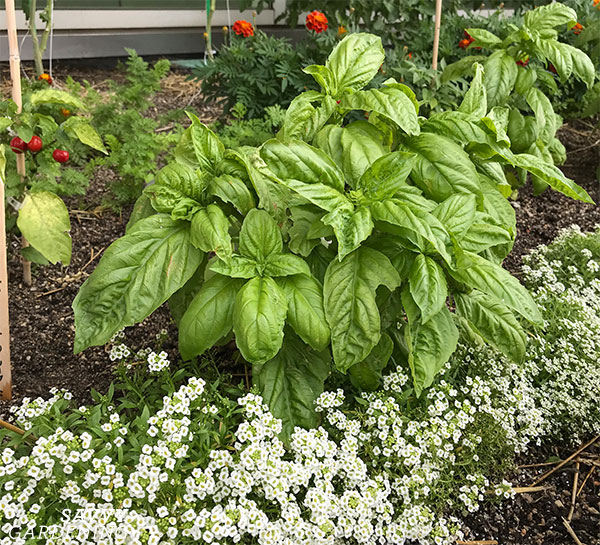
Companion planting can benefit sweet alyssum in several ways. Here’s why it should be a part of your gardening strategy:
- Pest Control: Sweet alyssum attracts beneficial insects like ladybugs, hoverflies, and bees, which help in pollination and pest control. By choosing the right companions, you can help sweet alyssum ward off harmful pests and even deter certain plant diseases.
- Improved Growth: Some plants provide shade, nitrogen, or other nutrients that can help sweet alyssum grow better. For example, taller plants or those with strong root systems can protect sweet alyssum from harsh sun or wind, while providing a supportive microenvironment.
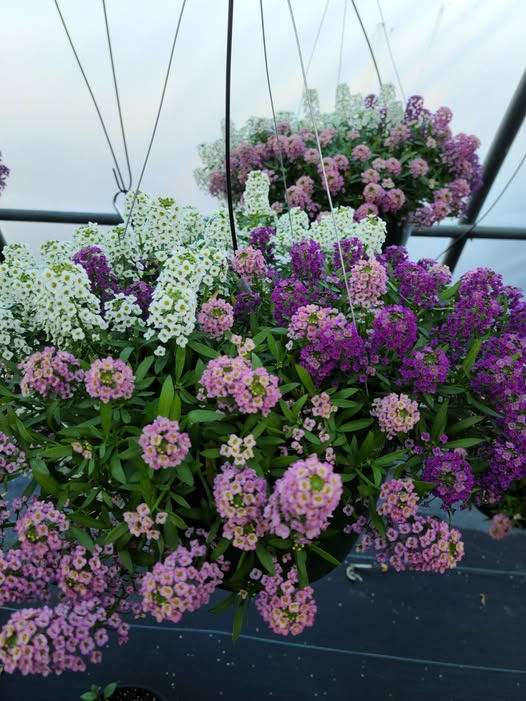
- Enhancing Aesthetic Appeal: Sweet alyssum, with its tiny white or purple flowers, can be used as ground cover or to fill in spaces between other plants. Pairing it with complementary colors or textures can elevate the beauty of your garden.
- Optimizing Space: Companion planting maximizes the use of available garden space. Sweet alyssum’s compact growth allows it to fit perfectly between other plants, providing more flowers and less empty ground, which results in a denser, more colorful garden.
- Attracting Pollinators: If you want to attract more bees, butterflies, and other pollinators, sweet alyssum is an excellent choice. But pairing it with specific plants can amplify its role in your garden’s ecosystem.
Now, let’s look at some of the best companion plants that can help enhance the growth of sweet alyssum.
Best Companion Plants for Sweet Alyssum
- Tomatoes
- Sweet alyssum’s low-growing habit and fragrant flowers can be a great companion to tomatoes. The scent of sweet alyssum helps to deter pests like aphids and whiteflies, which are notorious for attacking tomatoes. In return, tomatoes provide vertical space, allowing sweet alyssum to grow happily in the shade of the larger tomato plants.
- Cabbage and Other Brassicas
- Brassicas, such as cabbage, broccoli, and kale, benefit from sweet alyssum’s ability to attract beneficial insects that prey on common pests like cabbage worms and aphids. Sweet alyssum’s flowers attract these predatory insects, which naturally control the pest population around your brassicas.
- Strawberries
- Sweet alyssum and strawberries make a beautiful and functional combination. The flowers of sweet alyssum attract pollinators like bees, improving strawberry pollination and yield. Additionally, sweet alyssum can help suppress weeds around the base of the strawberry plants and provide a light ground cover that retains moisture.
- Carrots and Root Vegetables
- Root vegetables like carrots, radishes, and beets thrive alongside sweet alyssum. Sweet alyssum attracts hoverflies, which are natural predators of aphids that can otherwise harm young carrot and beet plants. The flowers of alyssum also create a friendly microclimate that keeps the soil cooler, which root vegetables appreciate.
- Peppers
- Peppers also benefit from the protection sweet alyssum offers. Similar to tomatoes, they are susceptible to aphids and whiteflies. Sweet alyssum helps draw these pests away from the pepper plants. Moreover, its low-growing nature does not compete with peppers for nutrients or space, making it an ideal companion.
- Herbs (Basil, Oregano, Thyme)
- Many herbs like basil, oregano, and thyme not only look great next to sweet alyssum but also share similar growing conditions. These herbs benefit from the pollinators attracted to sweet alyssum, which can lead to better herb yields. Additionally, the herbs can help repel pests, creating a harmonious environment for all plants involved.
- Lavender
- Lavender is another fragrant plant that thrives in similar conditions as sweet alyssum. Both plants attract bees and other pollinators, enhancing each other’s pollination efforts. Lavender’s tall spikes and purple flowers also contrast nicely with sweet alyssum’s low-growing, delicate flowers, making for a visually pleasing combination.
- Marigolds
- Marigolds are excellent companions for sweet alyssum as they deter nematodes and other soil-borne pests. Their vibrant orange and yellow flowers provide a beautiful contrast with the pale blooms of sweet alyssum, and they can help create a border or edging for the alyssum, enhancing both its beauty and effectiveness.
Plants to Avoid Planting Near Sweet Alyssum
While sweet alyssum is quite adaptable and can grow with many plants, there are a few that might not play well with it. Some plants could compete for space, nutrients, or attract pests that may harm sweet alyssum. Here are a few plants to avoid:
- Squash
- Squash plants tend to take up a lot of space and can overshadow sweet alyssum. The sprawling vines of squash can limit the sunlight and airflow that sweet alyssum needs to thrive. Additionally, squash plants can be prone to pests like aphids, which sweet alyssum may not be able to deter.
- Beans
- While beans and sweet alyssum both benefit from similar growing conditions, they can compete for space, especially in smaller gardens. Beans may also attract pests like aphids, which can negatively affect sweet alyssum.
- Corn
- Corn is a large, tall plant that can block the sunlight sweet alyssum needs to grow. Its dense foliage may also limit the movement of pollinators, reducing the effectiveness of sweet alyssum’s role in attracting beneficial insects.
- Potatoes
- Potatoes can be another plant that competes with sweet alyssum for space and nutrients. The larger root system of potatoes may also hinder the growth of sweet alyssum. Additionally, potatoes are susceptible to aphids and pests that can spread to the alyssum.
- Fennel
- Fennel is an herb that can inhibit the growth of other plants, including sweet alyssum. Its deep, invasive root system competes for space and nutrients, while its tall growth can overshadow alyssum’s delicate blooms.
Tips for Growing Companion Plants with Sweet Alyssum
- Space Wisely: When planning your companion planting, ensure you give sweet alyssum enough space to spread out. Avoid overcrowding it with larger plants, which can overshadow it or compete for nutrients.
- Consider Light and Water Needs: Sweet alyssum prefers full sun and well-drained soil, so choose companions that have similar light and water requirements to prevent any plant from outgrowing or weakening the other.
- Mulch and Water: Mulch around your plants to retain moisture and suppress weeds. This is particularly important for sweet alyssum, as it tends to grow best when the soil is consistently moist but not waterlogged.
- Watch for Pests: While sweet alyssum attracts beneficial insects, it’s still important to monitor your plants for pests. If you notice any problems, consider using organic pest control methods or removing the affected plants.
- Prune Regularly: Sweet alyssum can become leggy if not pruned regularly. Keep it trimmed to encourage bushier growth and more flowers, while ensuring it doesn’t overshadow other plants.
- Rotation is Key: Companion planting works best when you rotate your plants each season to maintain soil health and prevent the buildup of pests or diseases specific to a certain plant.
Conclusion
Companion planting with sweet alyssum offers many benefits, from pest control and improved growth to enhancing pollination and aesthetics in your garden. By pairing sweet alyssum with plants that share similar needs and characteristics, you can create a flourishing, harmonious garden.
Just be sure to avoid plants that may compete with or harm sweet alyssum, and with a little care, your companion plants will thrive alongside this beautiful, fragrant flower. Happy planting!
Sign up to get our FREE weekly emails
Gardening guides, tips, & videos delivered right to your inbox!


