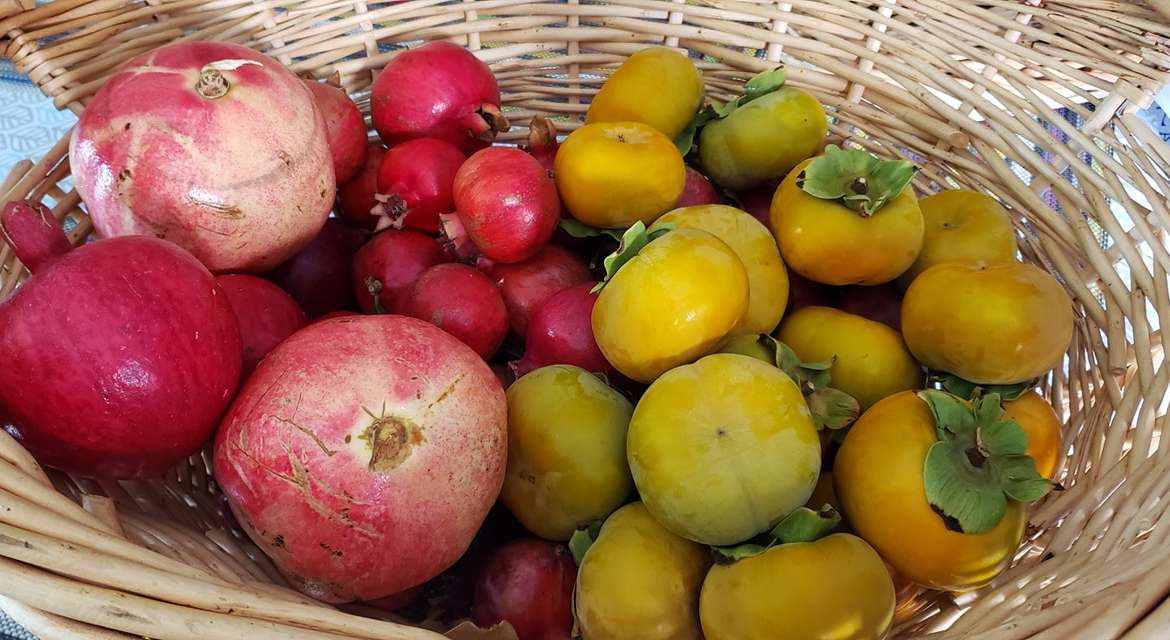
Persimmon trees are a beautiful addition to any garden or orchard, known for their vibrant orange fruits and attractive, broad foliage. While persimmons are relatively easy to grow, their health and productivity can be greatly influenced by their growing environment, including the plants that are grown alongside them.
Companion planting is an extremely old gardening practice that involves pairing certain plants together for mutual benefit. This technique can improve soil health, encourage pollination, deter pests, and promote better overall growth.
In this guide, we’ll dive deep into companion planting for persimmon trees, exploring the best companion plants, the ones you should avoid, and the tips for success when growing them together.
Why You Should Consider Companion Planting for Persimmon Trees
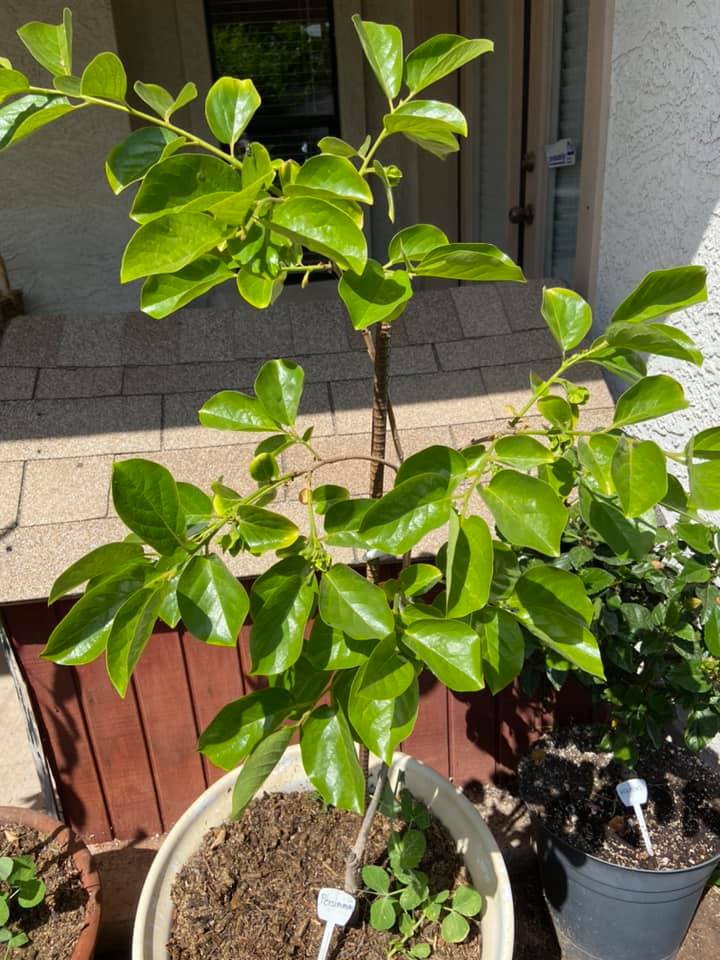
Companion planting is based on the idea that certain plants can offer benefits to one another, whether it’s through pest control, enhanced growth, or soil improvement.
When considering companion plants for persimmon trees, it’s important to think about how these plants will interact with the tree in terms of growth habits, nutrient needs, and potential pest deterrence.
One of the biggest benefits of companion planting for persimmon trees is the ability to attract beneficial insects and pollinators. While persimmon trees are self-pollinating, adding flowering plants nearby can help attract bees and other pollinators, ensuring a higher fruit yield.
Also, certain plants can provide natural pest control by repelling harmful insects or by attracting beneficial predators that target pests like aphids, mites, or caterpillars.
In addition, companion plants can help improve soil fertility by fixing nitrogen, breaking up compacted soil, or adding organic matter. This is particularly important for persimmon trees, as they thrive in well-drained, slightly acidic soils.
When chosen carefully, companion plants can also help reduce the need for chemical fertilizers and pesticides, making the garden more sustainable and eco-friendly.
Best Companion Plants for Persimmon Trees
When selecting companion plants for persimmons, it’s essential to choose those that will support the tree’s growth and help it thrive.
The best companion plants for persimmons are those that complement the tree’s needs in terms of soil, sunlight, and water. Here are some excellent companion plant choices for persimmon trees:
1. Garlic
Garlic is a fantastic companion plant for persimmons, primarily due to its ability to repel a variety of pests. The strong odor of garlic can deter insects like aphids, Japanese beetles, and spider mites, which can otherwise harm persimmon trees.
2. Clover
Clover is a great ground cover plant that helps improve soil health by fixing nitrogen, which is a key nutrient for persimmon trees. Clover’s ability to enrich the soil with nitrogen can lead to better growth and higher fruit production in persimmons.
3. Comfrey
Comfrey is a dynamic companion plant that can support persimmon trees in multiple ways. It’s a nutrient accumulator, meaning it draws up nutrients from deep within the soil and makes them available to other plants when its leaves decompose. Comfrey is also known to improve soil structure and promote healthy root growth, which is particularly beneficial for persimmon trees.
4. Chives
Chives are another excellent companion plant for persimmon trees due to their ability to repel pests such as aphids, caterpillars, and Japanese beetles. They also have the benefit of attracting beneficial pollinators like bees, which can help with the pollination of your persimmon tree’s flowers.
5. Dandelion
While often considered a weed, dandelions can actually be a helpful companion plant for persimmon trees. Dandelions have deep taproots that can break up compacted soil, improving soil structure and allowing water and nutrients to reach the roots of nearby plants, including persimmons.
6. Mint
Mint is an aromatic herb that repels a variety of insects, including aphids, ants, and rodents. When planted near persimmons, mint can help deter pests that might otherwise harm the tree.
However, be cautious when planting mint, as it is an aggressive grower that can spread quickly. Consider planting it in containers to keep it from overtaking the area around your persimmon tree.
7. Marigolds
Marigolds are known for their pest-repelling properties, making them an excellent choice for companion planting with persimmons. They can deter nematodes, aphids, and other harmful insects, while their vibrant flowers attract pollinators to your garden.
Plants to Avoid Planting Near Persimmon Trees
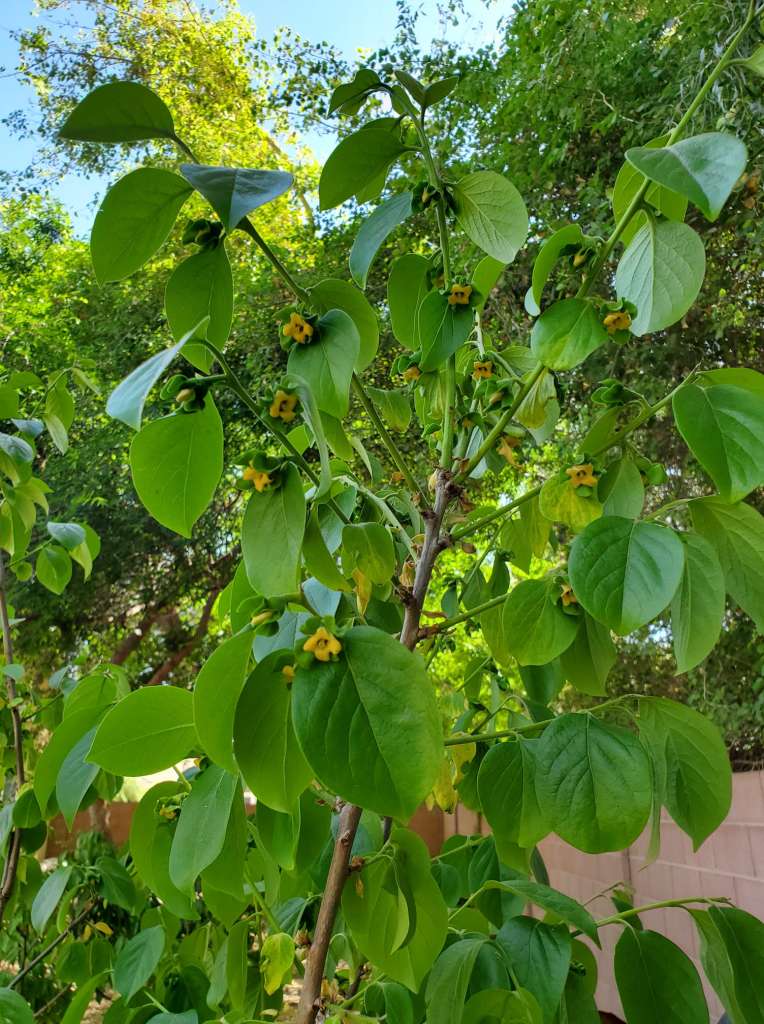
While many plants can benefit persimmon trees, some should be avoided due to their potential to harm the tree or compete for resources. It’s important to avoid planting certain plants near persimmons, as they could cause damage, reduce fruit yield, or hinder the tree’s growth.
1. Tomatoes
Tomatoes are not ideal companions for persimmons due to their tendency to attract pests such as aphids and whiteflies, which can also affect persimmon trees. Additionally, tomatoes and persimmons have different water and nutrient requirements, which could lead to competition for resources. Growing tomatoes near persimmons may lead to nutrient imbalances and stunted growth for both plants.
2. Potatoes
Like tomatoes, potatoes are part of the nightshade family and are best avoided when planting near persimmons. Potatoes and persimmons share similar pest problems, including aphids and root rot, which can be exacerbated by planting them in close proximity. Potatoes also have shallow root systems that compete with the deeper roots of persimmons for water and nutrients.
3. Fennel
Fennel is another plant that should not be planted near persimmons. Fennel is known to release chemicals that can inhibit the growth of nearby plants, including fruit trees like persimmons. This can stunt the tree’s growth and potentially reduce fruit yield.
4. Walnut Trees
Walnut trees release juglone, a toxic substance that can inhibit the growth of many plants, including persimmons. This chemical can harm the tree’s roots, stunting growth and leading to poor fruit production. Therefore, it’s best to avoid planting walnut trees near persimmons to prevent damage.
5. Carrots
Carrots, while not as problematic as other plants, can compete with persimmon trees for nutrients and space. Carrots have relatively shallow root systems and can take up space in the soil, potentially hindering the persimmon tree’s growth.
Additionally, carrots can attract pests that might also target persimmons, so it’s advisable to keep them away from the tree.
Tips for Growing Companion Plants with Persimmon Trees
Now that you know the best and worst companion plants for persimmons, here are a few tips for successfully growing companion plants alongside your persimmon trees:
- Space Wisely: When choosing companion plants, make sure they are spaced appropriately to avoid overcrowding your persimmon tree. Plants like clover or garlic can be grown as ground cover, but ensure they don’t shade the persimmon tree’s canopy.
- Watering: Companion plants often have different water needs than persimmon trees. Ensure that all plants are getting the right amount of water without overwatering, which could lead to root rot. Use mulch around the base of the tree and its companions to help retain moisture and reduce water evaporation.
- Pruning: Keep an eye on the growth of both your persimmon tree and its companion plants. Some companions, like mint or comfrey, can become invasive, so it’s important to prune and control their growth to avoid competition with the tree for sunlight and nutrients.
- Monitor for Pests: While many companion plants can deter pests, it’s still important to monitor your persimmon tree and its companions for any signs of insect or disease problems. Regular inspections and natural pest control methods can help keep your garden healthy.
- Soil Management: Ensure that the soil around your persimmon tree is rich in organic matter and well-draining. If you’re planting nitrogen-fixing companions like clover, this can help improve the soil for your persimmon tree, but be mindful not to overdo it, as too much nitrogen can affect the tree’s fruit production.
Conclusion
Companion planting can significantly enhance the health and productivity of persimmon trees. By selecting the right plants to grow alongside your persimmons, you can improve soil quality, attract pollinators, deter pests, and even increase fruit yield.
However, it’s just as important to avoid planting certain plants that might harm the tree or compete for resources. With the right approach and careful planning, companion planting can help you create a thriving, sustainable orchard that produces delicious, high-quality persimmons year after year.
Sign up to get our FREE weekly emails
Gardening guides, tips, & videos delivered right to your inbox!