
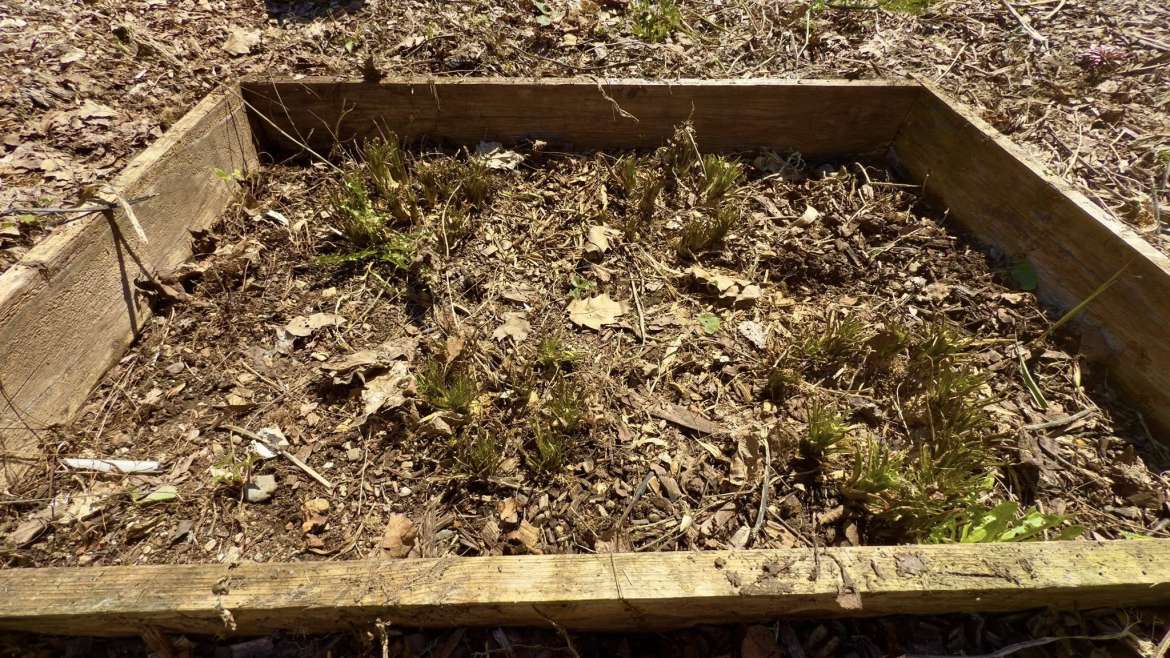
Horseradish is an often overlooked yet incredibly potent plant known for its spicy, aromatic root that has been a staple in gardens for centuries. While it’s mostly celebrated for its culinary uses, horseradish also boasts many health benefits, including its ability to promote digestion, alleviate respiratory issues, and even fight infections.
If you’re growing horseradish in your garden, you might want to consider the practice of companion planting to maximize its growth potential, improve the overall health of your garden, and even enhance the flavor of your crops.
In this post, we’ll explore the best companion planting for horseradish, why you should consider it, which plants to pair with it, and what to avoid. By the end of this article, you’ll be well on your way to creating a harmonious garden that thrives with the help of companion planting.
Why You Should Consider Companion Planting for Horseradish
Companion planting is the practice of growing different plants in close proximity to benefit each other in various ways. It’s an ancient gardening technique that has been used by gardeners for centuries to create a more efficient and productive garden. When done correctly, companion planting can help increase yields, improve pest control, enhance soil health, and even boost the flavor of your plants.
Horseradish, known for its hardy growth and deep root systems, thrives in fertile, well-drained soil and can often be a bit aggressive in the garden. This aggressive growth can sometimes inhibit the growth of neighboring plants. However, when paired with the right companions, horseradish can provide valuable benefits, such as pest control, disease resistance, and enhanced soil fertility, benefiting the surrounding plants.
By considering companion plants for horseradish, you can enhance your garden’s health while ensuring that your horseradish plants get the most out of the space they occupy. Moreover, this practice can help reduce the number of chemicals and pesticides you need to use, contributing to a more organic and sustainable garden.
Best Companion Plants for Horseradish
When selecting companion plants for horseradish, it’s essential to choose plants that will either protect, complement, or enhance the growth of horseradish while avoiding those that may compete with it. The following are some of the best companion plants for horseradish, each offering unique benefits:
1. Tomatoes
Tomatoes and horseradish make excellent companions. The strong scent of horseradish helps to deter pests like aphids, whiteflies, and flea beetles that often target tomato plants. In return, tomatoes, with their sprawling growth, help provide some shade to horseradish, especially in warmer climates. Tomatoes and horseradish also benefit from similar soil and water needs, making them a practical pairing for your garden.
2. Cabbage Family (Brassicas)
Cabbage, broccoli, cauliflower, and other brassicas benefit from horseradish’s ability to repel pests. The strong scent of horseradish helps keep cabbage worms and other pests away from these plants. Additionally, horseradish is often a natural pest repellent, which can help protect your cabbage crops from harmful insects while supporting the overall health of the soil.
3. Spinach
Spinach, like horseradish, prefers cool temperatures and well-drained, fertile soil. Pairing horseradish with spinach allows for a symbiotic relationship where the horseradish helps ward off pests, while spinach benefits from the fertile soil around the horseradish plant. The deep roots of horseradish can also improve soil aeration, creating better conditions for spinach to thrive.
4. Beans
Beans are nitrogen-fixing plants, which means they enrich the soil by converting nitrogen from the air into a usable form for other plants. This can be beneficial for horseradish, as it helps maintain a healthy and fertile soil environment. Additionally, beans grow quickly and can create ground cover, which can help prevent weeds from overtaking the horseradish and competing for resources.
5. Garlic and Onions
Garlic and onions share a lot of similarities with horseradish in terms of their pest-repelling qualities. Their strong scent helps keep away many pests that would otherwise target horseradish and other plants in the garden. Pairing garlic and onions with horseradish creates a natural defense system against harmful insects like aphids, ants, and other common pests.
6. Lettuce
Lettuce benefits from the shade provided by horseradish. As horseradish grows taller, it can cast a shadow over the lettuce plants, preventing them from wilting in the heat. Lettuce also benefits from the fertile soil enriched by horseradish’s deep roots, and the combination of these plants can help create a more productive vegetable bed.
Plants to Avoid Planting Near Horseradish
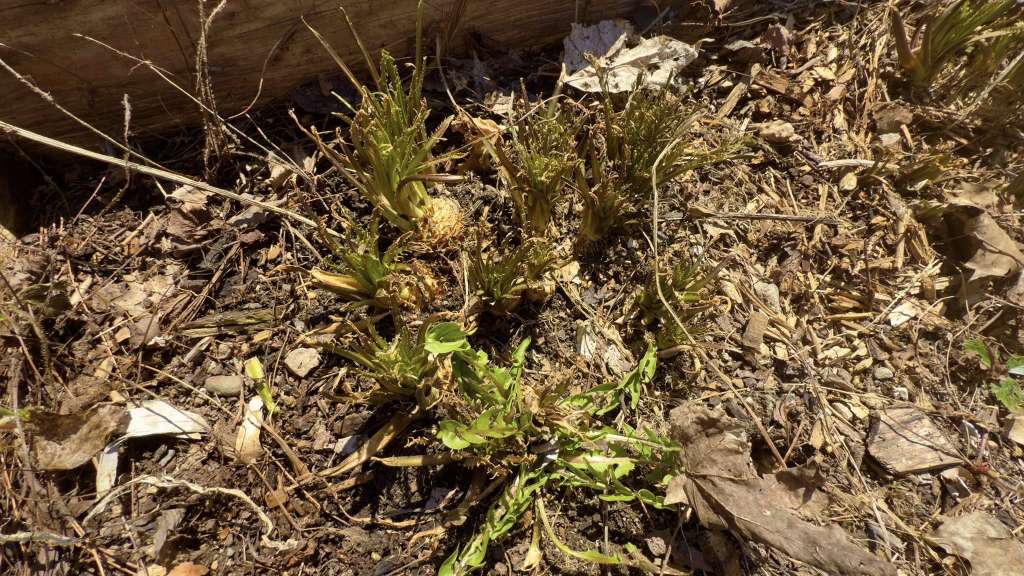
While horseradish is a versatile plant that can thrive with many companions, there are certain plants that you should avoid growing near it. Some plants may compete for nutrients, space, or sunlight, leading to stunted growth or poor yields. Here are a few plants to avoid planting near horseradish:
1. Strawberries
Strawberries are known for their shallow root systems, which may struggle in competition with the deep roots of horseradish. Horseradish’s aggressive growth can also overshadow strawberry plants, reducing their access to sunlight and nutrients. For optimal growth, it’s best to keep these two plants separate.
2. Peppers
Peppers, like tomatoes, can struggle when planted near horseradish due to the intense competition for water and nutrients. Horseradish’s deep root system can take up a lot of space, leaving less room for pepper roots to grow freely. Additionally, peppers do not benefit from horseradish’s pest-repelling properties, so it’s best to plant them elsewhere in your garden.
3. Carrots
Horseradish’s expansive root system can outcompete the smaller, more delicate roots of carrots. If planted too close together, horseradish may also block sunlight and prevent carrots from growing properly. It’s best to keep horseradish away from root crops like carrots to give them the space they need to grow.
4. Potatoes
Potatoes, like carrots, have shallow root systems that can be easily overshadowed by horseradish. The aggressive growth of horseradish can inhibit the spread of potato roots, leading to poor growth and yields. It’s better to plant horseradish away from potatoes to avoid competition for nutrients.
5. Other Root Crops
Any root crops, including beets and turnips, should be planted away from horseradish. These plants have delicate root systems that could struggle in the shadow of horseradish or suffer from root competition. To allow root crops to thrive, it’s better to give them their own space.
Tips for Growing Companion Plants with Horseradish
Growing companion plants with horseradish requires attention to their space, water, and sunlight needs. Here are some essential tips for successfully growing horseradish alongside other plants:
1. Plan for Space
Horseradish has an aggressive growth habit, with deep roots that can spread quickly. When planning your garden, make sure to give horseradish enough space to grow without overshadowing its companions. Use garden markers or raised beds to separate horseradish from plants that require more space.
2. Ensure Proper Drainage
Horseradish prefers well-drained soil, so it’s crucial to provide good drainage for both horseradish and its companion plants. Raised beds or containers are an excellent option to ensure that water doesn’t pool around the roots, which could lead to root rot.
3. Use Mulch
Mulching around horseradish can help retain soil moisture, suppress weeds, and improve soil health. Consider using organic mulch, such as straw or compost, to enrich the soil and protect the root systems of your companion plants.
4. Rotate Crops
If you grow horseradish in the same space year after year, it’s important to rotate your crops to prevent soil depletion and the buildup of pests. Rotate your companion plants to keep the garden soil healthy and ensure optimal growing conditions for all your plants.
Conclusion
Companion planting for horseradish can greatly improve the health and yield of your garden, as well as help reduce pest issues and encourage better growth. By choosing the right plants, such as tomatoes, cabbage, spinach, beans, and garlic, and avoiding those that may compete, like strawberries and peppers, you can create a thriving, sustainable garden.
Are you ready to maximize your garden’s potential with companion planting? Start incorporating these tips and companions for your horseradish today. And if you’re looking for more expert gardening advice or have any questions about companion planting, don’t hesitate to leave a comment or contact us! Happy gardening!
Sign up to get our FREE weekly emails
Gardening guides, tips, & videos delivered right to your inbox!


