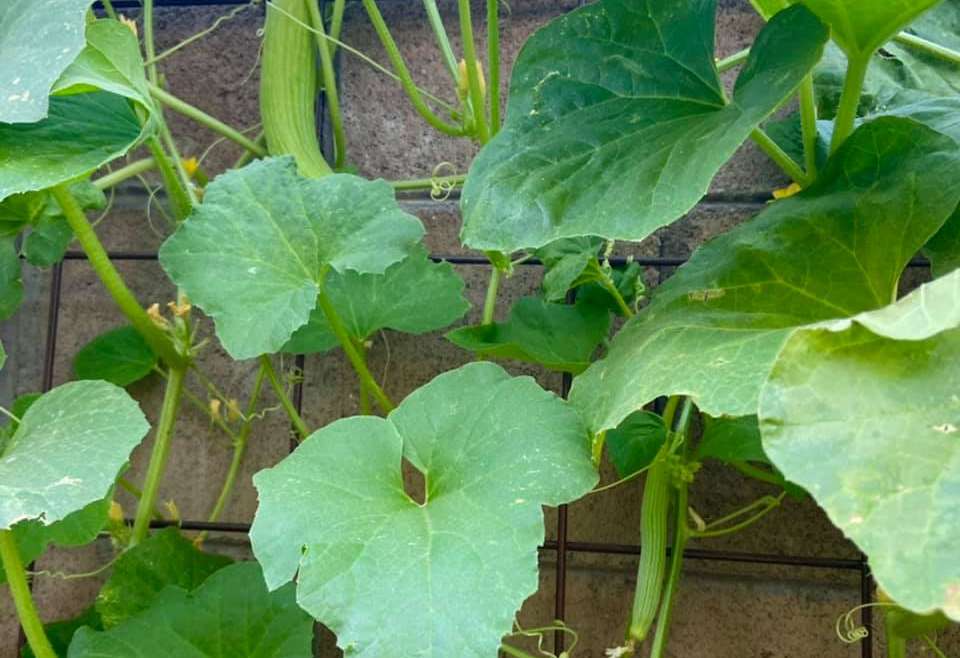
Gardening is both an art and a science, requiring a balance of careful planning and creative intuition. One of the most effective ways to optimize your garden’s yield and health is through companion planting. This age-old practice involves strategically growing certain plants together to improve growth, deter pests, and enhance flavor.
For cucumbers, companion planting can transform your gardening experience, making it more productive and enjoyable. In this guide, we’ll explore why you should consider companion planting for cucumbers, identify the best companion plants, and share tips for successfully growing these combinations.
Why You Should Consider Companion Planting for Cucumbers

Cucumbers are a popular vegetable in home gardens due to their versatility, refreshing taste, and numerous health benefits.
However, like any crop, they come with challenges, including pest infestations, nutrient needs, and susceptibility to diseases. Companion planting offers natural solutions to these issues, creating a more harmonious and sustainable garden ecosystem.
1. Natural Pest Control
Cucumbers are prone to pests like cucumber beetles, aphids, and spider mites. Certain companion plants act as natural repellents, deterring these pests without the need for chemical pesticides. For example, aromatic herbs like dill and basil emit scents that confuse or repel insects, keeping your cucumber plants safe.
2. Improved Pollination
Cucumbers rely on pollinators, such as bees, to produce fruit. Companion plants with vibrant flowers, like marigolds or nasturtiums, attract pollinators to your garden, increasing the chances of a bountiful harvest.
3. Enhanced Soil Health
Companion planting can improve soil health by balancing nutrient uptake and promoting beneficial soil microorganisms. For instance, legumes like peas or beans fix nitrogen in the soil, which cucumbers can utilize for better growth.
4. Space Optimization
In smaller gardens, companion planting allows you to maximize space by combining plants with complementary growth habits. Vertical-growing cucumbers can pair well with low-lying plants, creating a multi-layered garden that’s both functional and aesthetically pleasing.
5. Flavor Enhancement
Some gardeners swear by the belief that companion planting can enhance the flavor of fruits and vegetables. While this may be subjective, anecdotal evidence suggests that growing cucumbers alongside dill or mint can lead to more flavorful harvests.
Best Companion Plants for Cucumbers
Choosing the right companions for cucumbers can significantly impact their growth and yield. Here are some of the best plants to pair with cucumbers:
1. Aromatic Herbs
Herbs like dill, basil, and oregano are excellent companions for cucumbers. Dill, in particular, attracts beneficial insects like predatory wasps and ladybugs while repelling pests such as aphids. Basil not only wards off harmful insects but also enhances the flavor of cucumbers.
2. Legumes
Peas and beans are nitrogen-fixing plants that enrich the soil. Since cucumbers are heavy feeders, planting them alongside legumes ensures a steady supply of nitrogen, promoting healthy foliage and fruit production.
3. Marigolds
Marigolds are a staple in companion planting due to their ability to deter nematodes and other soil-borne pests. Their bright flowers also attract pollinators, which are essential for cucumber plants.
4. Radishes
Radishes serve as a trap crop for cucumber beetles. By planting radishes near your cucumbers, you can lure these pests away from your main crop. Additionally, radishes grow quickly, allowing you to harvest them before they compete for resources with cucumbers.
5. Nasturtiums
Nasturtiums are another trap crop that attract aphids and other pests, keeping them away from cucumbers. They also add a burst of color to your garden and are edible, offering a peppery flavor to salads.
6. Sunflowers
Sunflowers can act as natural trellises for cucumbers, supporting their vines while attracting pollinators. Their sturdy stems and tall stature make them an ideal companion in sunny gardens.
7. Leafy Greens
Lettuce and spinach are great ground covers that help retain soil moisture and suppress weeds. They have shallow root systems, so they won’t compete with cucumbers for nutrients.
8. Corn
Cucumbers can climb corn stalks, utilizing vertical space efficiently. This pairing mimics the “Three Sisters” planting method, traditionally used by Indigenous peoples, where corn, beans, and squash (or cucumbers) are grown together to support one another.
Tips for Growing Companion Plants with Cucumbers
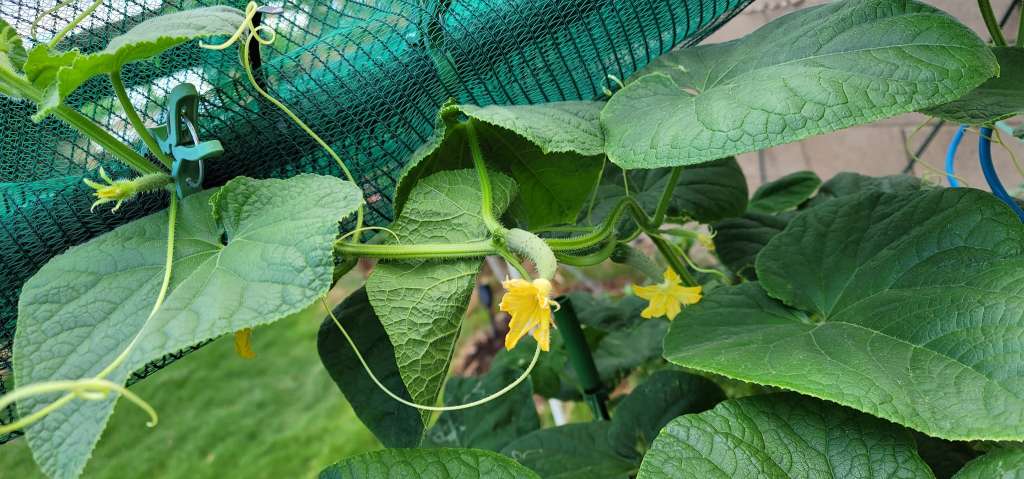
Companion planting requires thoughtful planning to ensure all plants thrive. Follow these tips to create a thriving cucumber companion garden:
1. Plan Your Layout
Map out your garden before planting to determine the best placement for each companion. Consider factors like sunlight, spacing, and growth habits. Place tall plants, like sunflowers or corn, on the north side to avoid shading shorter plants.
2. Use Trellises
Vertical gardening with trellises can help cucumbers grow upward, saving space and reducing the risk of fungal diseases caused by ground contact. This also allows you to plant low-growing companions, like lettuce or radishes, underneath.
3. Practice Crop Rotation
Avoid planting cucumbers in the same spot year after year to prevent soil-borne diseases. Rotate crops and choose companions that can replenish the soil.
4. Monitor Moisture Levels
Cucumbers thrive in moist soil, but overwatering can lead to root rot. Pair them with plants that have similar watering needs, and mulch around the base of plants to retain moisture.
5. Be Mindful of Incompatible Plants
Some plants can hinder cucumber growth. Avoid planting cucumbers near potatoes, as they compete for nutrients and attract similar pests. Sage and other aromatic herbs can also inhibit cucumber growth if planted too closely.
6. Encourage Pollination
To boost fruit production, ensure that pollinator-attracting plants like nasturtiums or marigolds are abundant. Avoid using pesticides that could harm beneficial insects.
7. Provide Nutrients
While companion plants like legumes can improve soil fertility, cucumbers are still nutrient-demanding. Supplement with compost or organic fertilizers to ensure all plants receive adequate nutrition.
8. Inspect Regularly
Check your garden regularly for signs of pests, diseases, or nutrient deficiencies. Early intervention can prevent small issues from escalating.
Conclusion
Companion planting for cucumbers is a rewarding practice that can enhance your garden’s productivity and sustainability. By carefully selecting companion plants and following best practices, you can create a thriving ecosystem that benefits both your cucumbers and the surrounding plants.
Whether you’re a seasoned gardener or a beginner, the principles of companion planting offer a natural and effective way to grow healthier, more abundant crops. So grab your gardening tools and start experimenting with companion planting to unlock the full potential of your cucumber harvest!
Sign up to get our FREE weekly emails
Gardening guides, tips, & videos delivered right to your inbox!