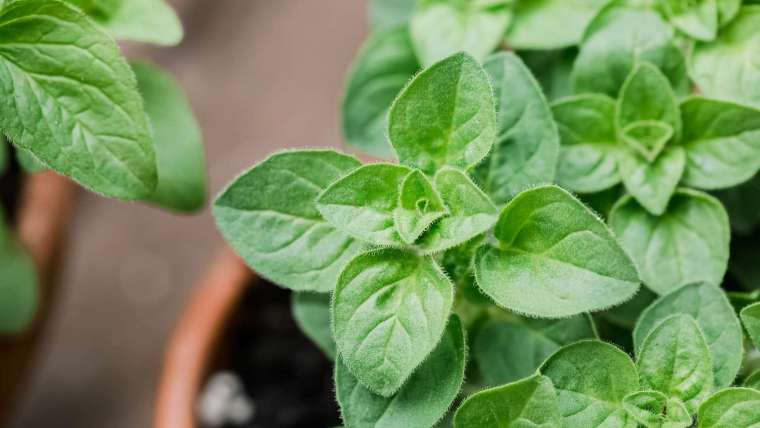
Cilantro is a versatile herb, beloved for its fresh, citrusy flavor that enhances a variety of dishes. Regardless if you call it cilantro or coriander (its seeds), this annual herb is easy to grow but benefits greatly from companion planting.
By carefully and strategically selecting plants to grow alongside cilantro, you can improve its growth, deter pests, and enhance the overall health of your garden.
This guide will walk you through the best and worst companion plants for cilantro and provide useful tips for maximizing your herb garden’s success.
Why You Should Consider Companion Planting for Cilantro

Companion planting is a very gardening technique that involves strategically pairing plants to enhance each other’s growth and provide mutual benefits. When it comes to cilantro, companion planting offers several advantages:
- Natural Pest Control: Cilantro emits a strong scent that can deter pests like aphids and spider mites, while also attracting beneficial insects such as ladybugs and lacewings that feed on harmful pests.
- Improved Soil Health: Certain plants improve soil structure, fix nitrogen, or enhance nutrient availability, indirectly benefiting cilantro.
- Enhanced Growth: Some plants provide natural shade, helping to keep cilantro cool in hot weather, which can prevent it from bolting (going to seed too quickly).
- Better Flavor and Yield: By planting compatible crops together, you can encourage healthier growth and more flavorful herbs.
Best Companion Plants for Cilantro
Choosing the right companions for cilantro can significantly improve its health and productivity. Here are some of the best plants to grow alongside cilantro:
1. Tomatoes
Tomatoes and cilantro make an excellent pair in both the garden and the kitchen. Cilantro attracts beneficial insects like hoverflies and parasitic wasps, which prey on tomato hornworms and aphids. Additionally, the shade provided by tomato plants helps keep cilantro cool, delaying bolting.
2. Basil
Basil and cilantro are great companions because they share similar growing conditions and can repel pests like mosquitoes and flies. However, basil prefers slightly drier soil than cilantro, so be mindful of their watering needs.
3. Peppers
Whether sweet or hot, peppers benefit from cilantro’s pest-repelling properties. Cilantro also attracts pollinators, which can help improve pepper yields.
4. Carrots
Since cilantro and carrots belong to the same family (Apiaceae), they grow well together. Cilantro’s scent masks the smell of carrots, making it harder for carrot flies to find their host plants.
5. Lettuce and Spinach
Cilantro provides light shade to leafy greens like lettuce and spinach, helping to keep them from wilting in hot weather. These plants also share similar watering needs, making them easy to care for together.
6. Legumes (Beans and Peas)
Beans and peas fix nitrogen in the soil, which benefits cilantro by providing essential nutrients. In return, cilantro helps deter pests that might otherwise attack legumes.
7. Garlic and Onions
Alliums like garlic and onions are great at deterring pests like aphids and spider mites. They also help prevent fungal diseases in cilantro.
8. Dill
Dill and cilantro attract many of the same beneficial insects, including pollinators and predatory insects that feed on garden pests. However, be cautious, as they can cross-pollinate if allowed to flower.
Plants to Avoid Planting Near Cilantro
While many plants complement cilantro, some can hinder its growth or negatively impact its health. Here are plants you should avoid placing near cilantro:
1. Fennel
Fennel is known to inhibit the growth of many plants, including cilantro. It releases chemicals into the soil that can stunt cilantro’s development.
2. Rosemary
Rosemary prefers dry soil and does not thrive in the same moisture levels as cilantro. Their conflicting needs make them poor companions.
3. Lavender
Like rosemary, lavender enjoys well-drained, dry soil, which is not ideal for cilantro. These two plants do best when kept apart.
4. Thyme
Thyme prefers drier soil and full sun, whereas cilantro prefers more moisture and partial shade in hot climates. Their differing needs make them incompatible.
5. Mint
Mint is an aggressive grower that can take over garden space and compete with cilantro for nutrients and water. It’s best to plant mint in a separate container or isolated bed.
Tips for Growing Companion Plants with Cilantro
To maximize the benefits of companion planting, follow these gardening tips:
1. Consider Spacing
Give plants enough space to grow without competing for nutrients. Taller plants should be placed strategically to provide shade for cilantro during hot months.
2. Match Watering Needs
Group plants with similar moisture requirements together. For example, cilantro pairs well with basil, peppers, and lettuce, which all enjoy consistent watering.
3. Use Successive Planting
Cilantro has a relatively short growing season before it bolts. Planting new seeds every few weeks ensures a continuous supply.
4. Encourage Beneficial Insects
By planting flowers like marigolds and alyssum nearby, you can attract pollinators and predatory insects that keep pest populations in check.
5. Harvest Regularly
Frequent harvesting encourages cilantro to grow bushier and delays bolting. Removing flowers as soon as they appear can also extend the herb’s life.
6. Use Mulch to Retain Moisture
Mulching around cilantro helps retain soil moisture, suppress weeds, and regulate temperature, benefiting both cilantro and its companions.
Final Thoughts
Companion planting is a simple yet effective way to improve cilantro’s growth, deter pests, and create a more resilient garden ecosystem. By pairing cilantro with compatible plants like tomatoes, basil, and carrots, you can enhance its health and productivity. However, be mindful of poor companions like fennel, rosemary, and mint, which can hinder cilantro’s growth.
Sign up to get our FREE weekly emails
Gardening guides, tips, & videos delivered right to your inbox!