

Gardening is more than just a hobby; it’s an art that allows you to create a thriving ecosystem in your own backyard. One practice that can elevate your gardening experience is companion planting.
Companion planting involves pairing certain plants together to benefit each other, whether it’s through pest control, improved growth, or enhancing flavor. If you’re a fan of vibrant and versatile flowers, Calendula should be a key player in your garden. Not only is Calendula beautiful, with its bright, orange or yellow blossoms, but it also serves as an excellent companion for various plants, offering numerous benefits.
This post will delve into the concept of companion planting with Calendula, why you should consider it, which plants make great companions, which ones to avoid, and tips on how to successfully grow companion plants alongside Calendula.
Why You Should Consider Companion Planting for Calendula
Calendula, commonly known as pot marigold, is a hardy, fast-growing annual that thrives in full sun and well-drained soil. It is a popular garden plant because it’s not only aesthetically pleasing, but it’s also known for its medicinal and culinary uses. The bright flowers can be used in teas, salves, and even as a garnish for dishes. But beyond its beauty and utility, Calendula also plays a significant role in a companion planting strategy.
Calendula’s ability to deter pests, particularly aphids and nematodes, makes it an excellent addition to a garden when paired with other plants that may be susceptible to these pests. Its bright blooms attract pollinators, like bees and butterflies, which are crucial for the health of your garden ecosystem. Calendula can also improve the health and growth of nearby plants by improving soil quality and acting as a natural pest repellent. Companion planting with Calendula not only enhances the growth and productivity of your garden but also reduces the need for chemical pesticides, which can harm beneficial insects and the environment.
Moreover, Calendula’s vibrant flowers can create beautiful garden beds while serving as an edible crop and an aromatic plant, helping to create a balanced, biodiverse environment. Incorporating Calendula into your companion planting scheme can significantly improve plant health and create a garden that’s both aesthetically pleasing and functional.
Best Companion Plants for Calendula
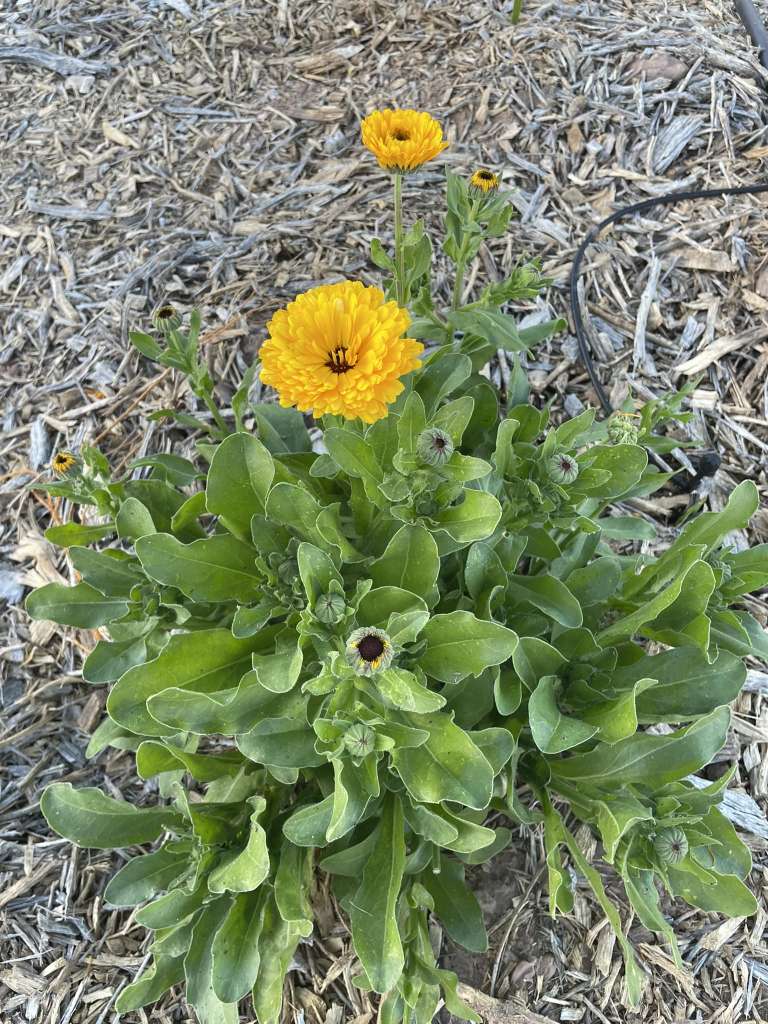
Calendula’s beneficial properties make it an excellent companion for a wide variety of plants. The following are some of the best plants to grow alongside Calendula to enhance your garden’s productivity and health:
1. Tomatoes
Calendula and tomatoes make a perfect pairing. Calendula can help repel aphids, whiteflies, and other pests that often target tomato plants. These pests can damage the leaves and fruit of tomatoes, but Calendula helps to divert them with its own strong scent. Furthermore, Calendula attracts pollinators, which can improve the pollination process for tomatoes, leading to healthier plants and better yields.
2. Carrots
Carrots and Calendula complement each other beautifully in the garden. Carrots benefit from the pest-repelling properties of Calendula, particularly with aphids, which can affect carrot foliage. Additionally, Calendula helps break up the soil, improving root penetration and creating a healthier growing environment for carrots. The bright flowers of Calendula also act as a trap crop, attracting pests away from the carrots, thus protecting them from damage.
3. Cucumbers
Cucumbers are another plant that pairs well with Calendula. The vibrant flowers of Calendula attract beneficial insects such as ladybugs and hoverflies, which feed on aphids and other pests that might otherwise affect cucumber plants. Calendula can also act as a natural pest repellent by releasing compounds that discourage pests like cucumber beetles from settling in the area. Plus, both Calendula and cucumbers thrive in similar conditions, making them a great match in terms of water, sunlight, and temperature.
4. Spinach
Calendula’s benefits extend to leafy greens like spinach as well. The plant’s ability to deter aphids and other pests helps protect spinach from common garden insects. Furthermore, Calendula’s bright blooms can create an attractive contrast with the lush green leaves of spinach, adding visual interest to your garden. Spinach also benefits from the shade provided by Calendula’s dense foliage, which can help keep the soil cool and moist, ideal conditions for growing spinach.
5. Peppers
Like tomatoes, peppers benefit from the pest-repellent properties of Calendula. It helps deter aphids, whiteflies, and other common pests that might damage pepper plants. Additionally, Calendula’s vibrant flowers attract beneficial insects, which helps increase pollination and promotes healthy growth for pepper plants. Peppers and Calendula also enjoy similar growing conditions, including full sunlight and well-drained soil, making them great companions for the garden.
6. Kale
Kale and Calendula are another good pairing in companion planting. Kale is susceptible to a variety of pests, such as aphids and cabbage worms. Calendula helps to deter these pests while attracting beneficial insects that can protect the kale plants. Furthermore, the presence of Calendula can help improve the overall biodiversity of the garden, making it more resilient to pest outbreaks.
Plants to Avoid Planting Near Calendula
While Calendula is generally a great companion for many plants, there are certain plants that should not be planted near it due to potential competition for nutrients or pest concerns. Here are a few plants to avoid:
1. Beans
Beans, particularly pole beans, do not make ideal companions for Calendula. Beans have a symbiotic relationship with nitrogen-fixing bacteria in the soil, which helps them thrive. Calendula can compete for nutrients with beans, particularly nitrogen, and may stunt their growth. Additionally, beans are more susceptible to aphids, which Calendula can attract, potentially leading to an increased risk of pest problems for beans.
2. Potatoes
Calendula and potatoes should also be kept apart. Potatoes are susceptible to fungal diseases, and Calendula can inadvertently promote the spread of these diseases if they are planted too closely. Additionally, both plants have similar soil and water requirements, which can lead to competition for resources, ultimately hindering growth.
3. Onions
Onions do not pair well with Calendula either. While Calendula helps deter some pests, it also attracts others, like aphids and thrips, which may target onion plants. Moreover, onions and Calendula both require similar amounts of nutrients, and the proximity of Calendula may deprive onions of vital resources, leading to stunted growth.
Tips for Growing Companion Plants with Calendula
Successfully growing companion plants with Calendula involves understanding the needs and growth habits of all the plants involved. Here are a few tips to help you grow a thriving, harmonious garden with Calendula and its companions:
1. Choose Plants with Similar Growing Conditions
Calendula thrives in full sun and well-drained soil, so it’s important to choose companion plants that have similar growing requirements. This will help ensure that both the Calendula and its companion plants receive adequate water, nutrients, and sunlight, leading to optimal growth for all.
2. Plant Calendula in the Right Spot
Calendula can grow tall, so ensure that it is planted in a location where it won’t overshadow its companions. Make sure to leave enough space between plants for proper airflow and sunlight penetration. Calendula’s large flowers can also block out sunlight from smaller plants, so it’s important to plan the layout of your garden carefully.
3. Use Calendula as a Trap Crop
Calendula works wonderfully as a trap crop to attract pests away from more vulnerable plants. You can plant Calendula near plants like tomatoes, cucumbers, or carrots, which are more susceptible to pests. This strategy will help to keep the pest population down and protect the health of your crops.
4. Mulch Around Calendula
Mulching around Calendula plants helps retain soil moisture, suppress weeds, and keep the roots cool. It can also provide additional nutrients to the soil as it decomposes. Adding mulch around your companion plants will help ensure they stay hydrated and healthy while supporting Calendula’s growth.
5. Regularly Check for Pests
Calendula does a great job of repelling pests, but it’s still a good idea to check your plants regularly for any signs of damage. Remove any pests you find manually and take action if necessary. You can use natural pest control methods such as neem oil or insecticidal soap if needed.
Conclusion
Companion planting with Calendula is a wonderful way to enhance your garden’s health and productivity. By selecting the right companions and following proper care practices, you can enjoy a vibrant, pest-resistant garden that thrives all season long. Whether you’re growing tomatoes, carrots, cucumbers, or leafy greens, Calendula can be an invaluable addition to your garden, providing numerous benefits for both your plants and your soil. Happy gardening!
Sign up to get our FREE weekly emails
Gardening guides, tips, & videos delivered right to your inbox!


