

Aloe vera, with its thick, fleshy leaves and natural healing properties, has long been a staple in many homes. It’s prized not only for its medicinal uses but also for its ability to thrive in warm, sunny environments with minimal care.
However, while aloe vera is hardy, it can benefit greatly from companion planting—a gardening technique that involves planting certain species together to promote healthier growth, attract beneficial insects, and deter pests.
In this post today, we’ll explore the benefits of companion planting for aloe vera, discuss the best companion plants for aloe vera, and highlight which plants to avoid. Also, we’ll provide some useful tips for successfully growing companion plants alongside your aloe vera.
Why You Should Consider Companion Planting for Aloe Vera
Companion planting is a method of growing different types of plants together that mutually benefit one another. While aloe vera is relatively low-maintenance, it doesn’t thrive in isolation.
Companion planting can help to enhance aloe vera’s growth, prevent diseases, and attract beneficial insects. Here are a few reasons why you should consider companion planting for your aloe vera:
- Pest Control: Some plants naturally repel pests that might otherwise target aloe vera, such as aphids and mealybugs. Companion plants that emit strong scents or produce natural chemicals can help protect aloe vera from harmful insects without the need for chemical pesticides.
- Improved Growth: Aloe vera can benefit from companion plants that improve the soil’s fertility. Some companion plants provide extra nutrients through nitrogen fixation, while others add organic matter to the soil, creating an environment conducive to healthy aloe vera growth.
- Pollination Assistance: Although aloe vera itself is not known for attracting pollinators, companion plants with vibrant flowers can encourage bees, butterflies, and other pollinators to visit your garden. This can help the overall health of your garden and improve the ecological balance.
- Better Soil Health: Certain companion plants improve soil health by loosening compacted soil and allowing better root development for your aloe vera. Others may help retain moisture or provide shade during hot summer months, reducing water stress on your aloe vera.
- Aesthetic Appeal: Companion planting also adds to the visual appeal of your garden. Aloe vera, with its unique structure, pairs well with various plants, from colorful flowers to lush greenery, helping create a beautiful, balanced garden design.
Best Companion Plants for Aloe Vera
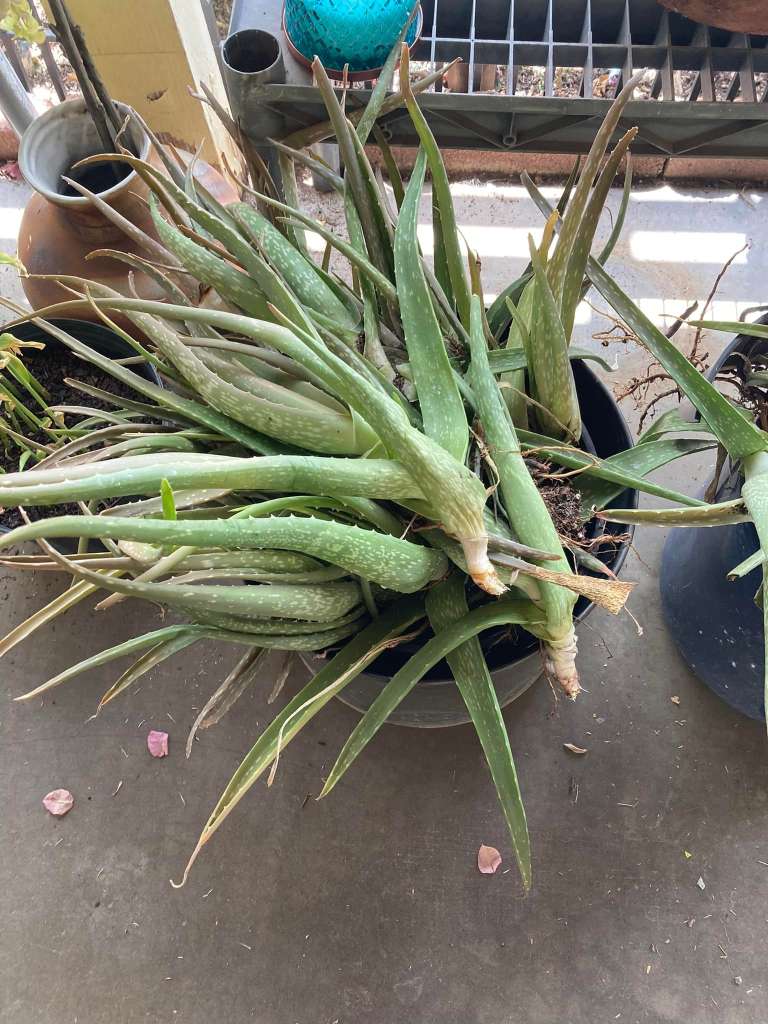
When selecting companion plants for aloe vera, it’s important to consider plants that share similar growing conditions. Aloe vera prefers dry, well-draining soil, plenty of sunlight, and minimal water. Below are some of the best companion plants that will thrive alongside aloe vera:
1. Lavender
Lavender is a fragrant herb that thrives in similar conditions to aloe vera. It prefers full sun and well-drained soil, making it an ideal companion for aloe vera. The strong scent of lavender can also help repel pests such as mosquitoes and flies, which can be beneficial in protecting your aloe vera from unwanted insects. Additionally, lavender’s purple flowers add a beautiful contrast to the green of aloe vera, enhancing the aesthetic appeal of your garden.
2. Marigolds
Marigolds are another excellent companion for aloe vera. Known for their vibrant, yellow or orange flowers, marigolds emit a scent that repels many common pests, including aphids, whiteflies, and nematodes. This natural pest control helps keep aloe vera healthy. Marigolds are also quite easy to grow and thrive in the same full-sun, well-draining conditions as aloe vera.
3. Sage
Sage is another herb that complements aloe vera perfectly. Like lavender, it thrives in sunny, dry conditions with good drainage. Sage also has natural pest-repelling qualities, making it a great companion for keeping harmful insects away from your aloe vera plant. The gray-green foliage and purple flowers of sage create a stunning contrast when planted alongside aloe vera, enhancing your garden’s aesthetic appeal.
4. Thyme
Thyme is a hardy herb that, like aloe vera, requires minimal watering and well-drained soil. It thrives in sunny environments and doesn’t compete with aloe vera for resources, making it a great companion plant. Additionally, thyme’s strong aroma helps to deter pests that might otherwise damage your aloe vera. Thyme is also an excellent ground cover plant, which can help retain soil moisture and prevent weeds from overtaking your aloe vera.
5. Echinacea
Echinacea, or purple coneflower, is another great companion plant for aloe vera. It thrives in full sun and well-drained soil, much like aloe vera. Echinacea attracts pollinators such as bees and butterflies, which can benefit the overall ecosystem of your garden. It also has medicinal properties, adding another layer of usefulness to your companion planting.
6. Yarrow
Yarrow is a hardy perennial that tolerates dry soil and full sun, just like aloe vera. Its attractive feathery foliage and vibrant flowers can add a touch of beauty to your garden while providing important benefits. Yarrow attracts beneficial insects such as ladybugs and predatory wasps, which help control pest populations that might threaten your aloe vera plant.
Plants to Avoid Planting Near Aloe Vera
While some plants make excellent companions for aloe vera, others should be avoided. Aloe vera prefers dry, well-draining soil, and it doesn’t tolerate waterlogged conditions or excessive humidity. Here are a few plants that should not be planted near aloe vera:
1. Mint
Mint is an aggressive grower that can quickly take over a garden bed if left unchecked. Its spreading habit can cause it to crowd out your aloe vera, competing for nutrients and water. Additionally, mint thrives in moist conditions, which is the opposite of aloe vera’s dry environment preference. It’s best to plant mint in a separate container or area to prevent it from overwhelming your aloe vera.
2. Cucumbers
Cucumbers are moisture-loving plants that require a lot of water to thrive. Aloe vera, on the other hand, doesn’t like overly moist soil. Planting cucumbers near aloe vera could lead to issues with root rot, as the excess moisture can negatively affect aloe vera’s health.
3. Tomatoes
Tomatoes and aloe vera have very different water and sunlight requirements. Tomatoes prefer a consistently moist environment and may shade your aloe vera, which thrives in direct sunlight. The excessive watering needed for tomatoes could also lead to waterlogged soil, which is detrimental to aloe vera.
4. Corn
Corn, like tomatoes, is a moisture-loving plant that requires regular irrigation. Its large size and thick foliage can also block sunlight from reaching your aloe vera, depriving it of the direct sun it needs to thrive. As a result, planting corn near aloe vera could stunt its growth and lead to poor health.
Tips for Growing Companion Plants with Aloe Vera
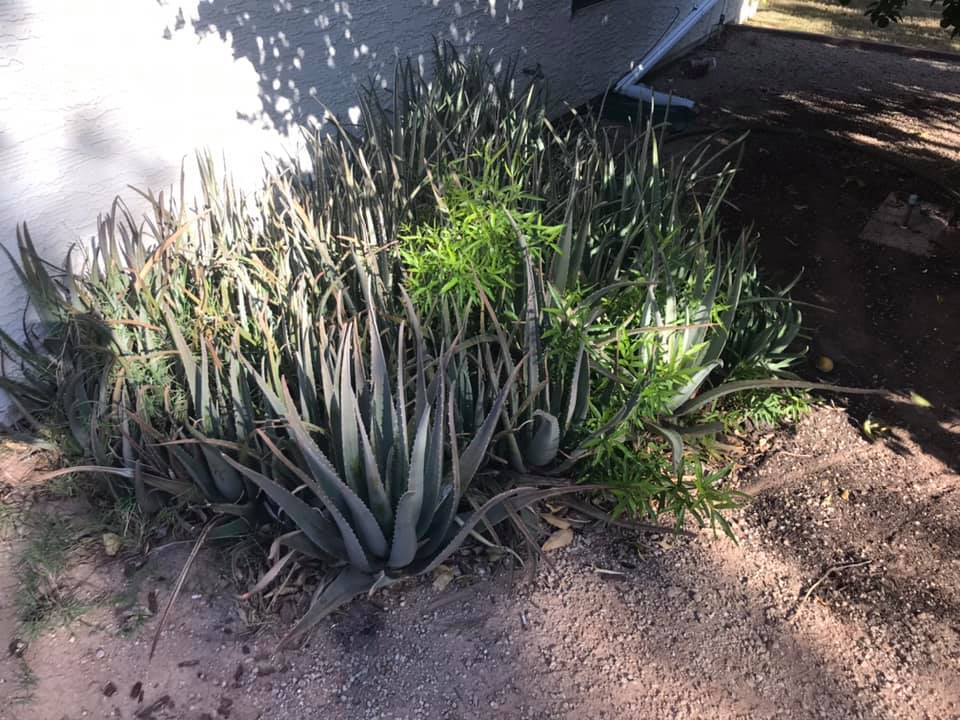
Successfully growing companion plants with aloe vera requires careful planning and consideration of each plant’s specific needs. Here are some tips to ensure your companion planting efforts are a success:
- Choose Plants with Similar Watering Needs: Aloe vera thrives in dry, well-draining soil and doesn’t require much water. When choosing companion plants, select those that also prefer minimal water and good drainage to avoid competition for moisture.
- Ensure Adequate Sunlight: Aloe vera requires full sun to thrive. When selecting companion plants, make sure they also thrive in sunny spots. Avoid shading aloe vera with taller plants that may block sunlight.
- Maintain Proper Spacing: While companion plants can help protect aloe vera and improve its growth, overcrowding can lead to competition for resources. Ensure there’s enough space between your aloe vera and its companions to allow proper air circulation and growth.
- Mulch to Retain Soil Moisture: Although aloe vera doesn’t need much water, companion plants may require a bit more moisture. Mulching around your plants helps to retain soil moisture without causing the aloe vera’s roots to become waterlogged.
- Monitor for Pests: Even though companion plants like marigolds and lavender can repel pests, it’s still important to monitor your plants for any signs of trouble. Regularly check for aphids, mealybugs, or fungal diseases, and address any issues promptly to keep your aloe vera and its companions healthy.
Conclusion
Companion planting is an effective way to boost the health and vitality of your aloe vera plant while enhancing the overall look of your garden. By selecting the right companion plants, you can improve soil health, attract pollinators, and deter pests, all of which contribute to a more thriving and beautiful garden. Remember to choose plants that share similar growing conditions and avoid those that may compete with aloe vera for resources. With the right care and attention, you’ll enjoy a lush, healthy aloe vera plant surrounded by a harmonious community of companion plants. Happy gardening!
Sign up to get our FREE weekly emails
Gardening guides, tips, & videos delivered right to your inbox!


