Imagine stepping into your garden on a crisp spring morning. The air is fresh, the soil is rich and inviting, and there’s a subtle earthy fragrance of cedar mulch that enhances the entire atmosphere. Whether you’re a seasoned gardener or just starting your green thumb journey, you know that a beautiful, healthy garden requires more than just good plants and sunlight. It needs the right care and attention to soil, water, and of course, mulch.
If you’ve ever walked through a garden center or scrolled through a gardening blog, you’ve likely encountered cedar mulch. But what makes it stand out among the sea of other mulches? This little-known garden hero not only looks good but also offers a plethora of benefits that will make your gardening easier and more successful. In this guide, we’ll explore everything you need to know about cedar mulch—why it’s a top choice, how to use it, and why it’s worth your investment in 2025.
What is Cedar Mulch?
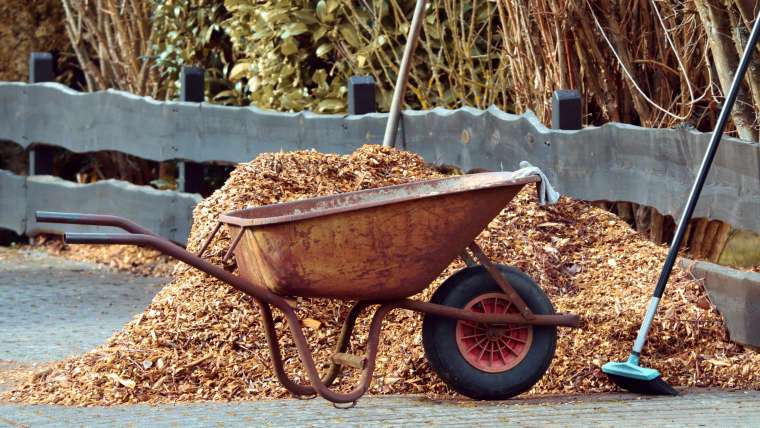
Cedar mulch is made from the bark and wood of cedar trees, specifically from species like the Eastern Red Cedar and Western Red Cedar. When shredded, it forms a lightweight, finely textured mulch that is rich in color, typically reddish-brown, and has a pleasant, aromatic scent. The natural oils in cedar give it a unique ability to resist pests, fungi, and moisture loss—perfect for enhancing your garden’s health and beauty.
The Many Benefits of Cedar Mulch for Your Garden

1. Natural Pest Control
One of the standout features of cedar mulch is its ability to deter pests. The natural oils in cedar, particularly thujone, have a repelling effect on insects like mosquitoes, moths, ants, and termites. This makes cedar mulch an excellent choice for vegetable gardens or areas where you want to keep pests at bay without using harmful chemicals.
For instance, if you’ve had trouble with ants invading your garden beds, a layer of cedar mulch can act as a natural deterrent, making it difficult for them to establish a nest. In addition, the scent of cedar is pleasant to us humans but a bit overwhelming for certain pests.
2. Weed Prevention
Weeds can be the bane of any gardener’s existence. They steal nutrients, space, and sunlight from your plants, leading to stunted growth and an untidy garden. Cedar mulch serves as a natural weed barrier by blocking sunlight and preventing weed seeds from germinating.
Applying a thick layer of cedar mulch around your plants can significantly reduce the amount of weeding you have to do. The mulch essentially smothers the weeds, giving your plants more room to grow without the competition. This is particularly helpful in flower beds or around shrubs and trees where you may not want to disturb the soil too much.
3. Improved Soil Health
Cedar mulch is also beneficial for the soil beneath it. As it breaks down over time, it adds organic matter to the soil, improving its structure, moisture retention, and nutrient content. Cedar mulch helps retain moisture by reducing evaporation, meaning your plants will need less frequent watering, which is a huge bonus during hot summer months.
The mulch’s slow decomposition rate means that it doesn’t need to be replaced as often as other mulches like wood chips or grass clippings. This long-lasting benefit makes cedar mulch a cost-effective choice for gardeners who want to save time and money.
4. Aesthetic Appeal
Beyond its practical benefits, cedar mulch can enhance the visual appeal of your garden. Its rich, reddish-brown color creates a striking contrast against the green of your plants and adds a polished, natural look to your landscaping. Whether you’re mulching around trees, flower beds, or vegetable gardens, cedar mulch provides a clean, tidy finish that’s visually pleasing.
If you’re someone who loves creating beautiful outdoor spaces, cedar mulch is a must-have. It complements a wide range of garden styles, from rustic to modern, and can help you achieve a well-manicured appearance.
How to Apply Cedar Mulch Like a Pro

Applying cedar mulch is a straightforward task, but there are a few tips and tricks to ensure you get the best results. Here’s a simple step-by-step guide:
1. Prepare Your Garden Bed
Before you add any mulch, clear the area of weeds, debris, or old mulch. If you’re starting fresh, you can lightly till the soil to loosen it up. Adding a thin layer of compost or organic matter at this stage can further improve your soil health.
2. Lay Down a Weed Barrier
Although cedar mulch naturally suppresses weeds, you can add an additional layer of protection by placing a weed barrier fabric or newspaper down before applying the mulch. This adds an extra layer of defense, especially for areas that are prone to heavy weed growth.
3. Spread the Mulch
Spread a 2- to 4-inch layer of cedar mulch evenly over the soil. Avoid piling it up around the bases of plants or tree trunks, as this can trap moisture and lead to rot. Instead, keep the mulch a few inches away from stems and trunks.
4. Water After Mulching
Once you’ve laid down the mulch, water the area well to help settle it into place and ensure that your plants are well-hydrated.
Common Mistakes to Avoid When Using Cedar Mulch
- Over-Mulching: While mulch is great, too much of it can suffocate plant roots and hinder water penetration. Stick to the recommended 2-4 inch layer.
- Placing Mulch Against Tree Trunks: Cedar mulch should not be piled directly against tree trunks. Doing so can cause moisture buildup, potentially leading to rot.
- Not Replacing Mulch Regularly: Cedar mulch decomposes slowly, but it will eventually break down. Be sure to top it up as needed to maintain its effectiveness.
- Ignoring Soil pH: Cedar mulch is acidic, so it’s best to monitor the pH of your soil if you’re using it in areas where plants prefer neutral to alkaline soil.
FAQ: Everything You Need to Know About Cedar Mulch
Yes, cedar mulch can be used around vegetables. Its pest-repelling properties are beneficial in vegetable gardens, helping to keep insects like mosquitoes and ants at bay. However, be mindful of its acidity, as some vegetables may prefer a more neutral soil pH.
Cedar mulch lasts longer than other types of mulch, but you’ll still need to replenish it every 12-18 months as it decomposes. Keep an eye on its appearance and effectiveness in weed suppression, and top it up as needed.
Absolutely! Cedar mulch is excellent at retaining moisture in the soil, which means you won’t need to water your plants as often. It helps to reduce evaporation and maintain a consistent level of moisture in the soil, especially during the warmer months.
Cedar mulch is generally safe for pets, but it’s always best to monitor their behavior. Some pets might be sensitive to the scent or texture. If you have concerns, you can opt for other types of mulch like pine or hardwood.
Conclusion
Incorporating cedar mulch into your garden is a simple yet highly effective way to improve your plants’ health, enhance your garden’s aesthetics, and reduce the amount of maintenance required. From pest control to moisture retention and soil health, the benefits of cedar mulch are hard to beat. So, whether you’re mulching around flowers, trees, or vegetables, cedar mulch is a garden investment that pays off year after year.
Ready to give your garden the care it deserves? Grab some cedar mulch today and start enjoying a lush, thriving space!
Have you used cedar mulch in your garden before? Share your experiences and tips in the comments below, or sign up for our newsletter to receive more gardening tips directly to your inbox!