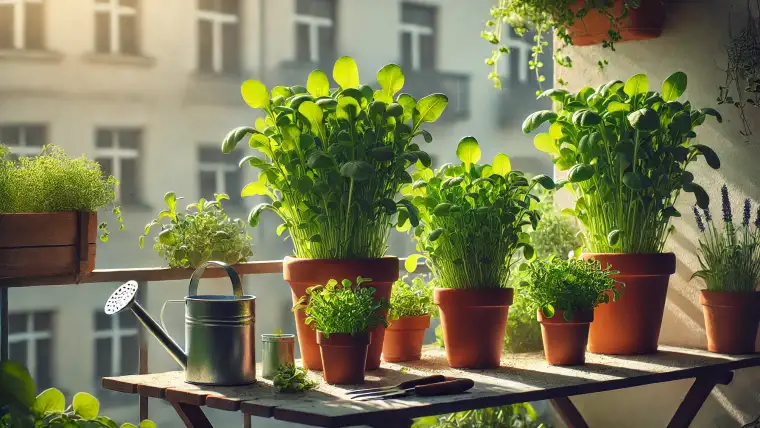
Growing goldenrod in containers offers numerous benefits for gardeners looking to add vibrant color and attract pollinators to small spaces. Container gardening with goldenrod allows better control over soil conditions, preventing the plant from becoming invasive while ensuring it thrives in diverse environments.
Potted goldenrod is easy to move, making it ideal for patios, balconies, and urban gardens, where space is limited. This setup also minimizes the risk of goldenrod spreading into undesired areas, a common concern with this plant in traditional garden beds.
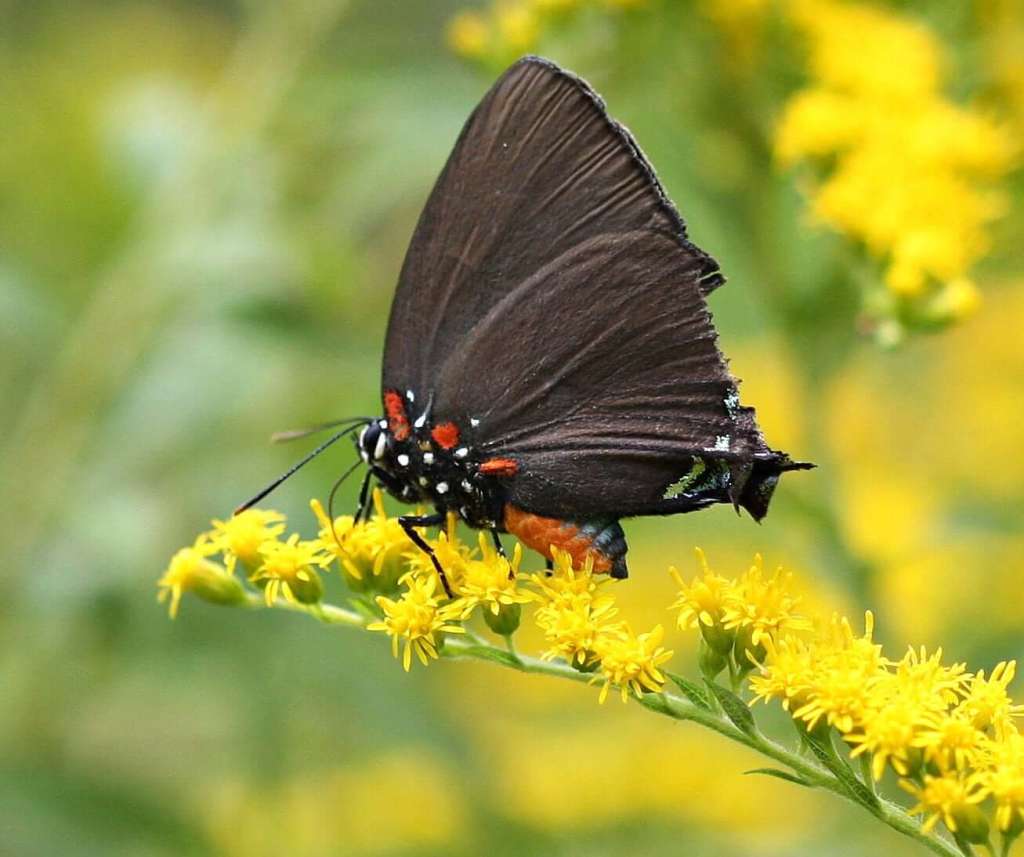
With container-grown goldenrod, gardeners enjoy its bright yellow blooms in late summer and fall while attracting bees, butterflies, and other beneficial insects, enhancing biodiversity and supporting local pollinator populations.
How to Grow Goldenrod in a Pot
Growing goldenrod in containers is a great way to enjoy its vibrant yellow blooms and support pollinators, even in limited space.
This hardy plant is easy to care for and adds color to patios, balconies, and gardens. Here’s a comprehensive guide to growing goldenrod successfully in containers.
1. Choosing the Right Container
Goldenrod has a deep root system and grows up to 2–4 feet tall, so it needs a sizeable container:
- Size: Use a container that’s at least 12–16 inches deep and wide.
- Material: Opt for containers with good drainage (such as terracotta or ceramic). Plastic pots work too, as long as they have drainage holes.
- Drainage: Goldenrod prefers well-drained soil, so ensure the pot has drainage holes at the bottom to avoid waterlogged roots.
2. Selecting the Ideal Goldenrod Variety
There are several varieties of goldenrod, some more suitable for containers than others. Some popular container-friendly varieties include:
- Solidago canadensis (Canada goldenrod): Tall and common, often chosen for large containers.
- Solidago rugosa ‘Fireworks’: A more compact variety, growing to about 3 feet, ideal for smaller containers.
- Solidago sphacelata ‘Golden Fleece’: A dwarf variety, around 18–24 inches tall, perfect for smaller spaces.
3. Choosing the Right Soil
Goldenrod prefers slightly acidic to neutral soil:
- Soil Type: Use a high-quality potting mix; regular garden soil is too heavy and doesn’t drain well in containers.
- Additives: Add perlite or sand to increase drainage. If you want to go organic, mix in compost to enrich the soil.
- pH Level: A pH between 5.5 and 7.0 works well for goldenrod.
4. Planting Goldenrod
Goldenrod can be grown from seeds, seedlings, or transplants:
- Seeds: Plant seeds about 1/8 inch deep, spaced 1–2 inches apart, covering lightly with soil. Germination takes 2–3 weeks.
- Transplants/Seedlings: Dig a small hole just big enough for the root ball, place the plant in the soil, and backfill around it, pressing gently to remove air pockets.
- Timing: Early spring or late fall are the best times for planting. For seeds, sow them in early spring once the frost danger has passed.
5. Sunlight Requirements
Goldenrod is a sun-loving plant:
- Sun Exposure: Position the container in a location where it will receive at least 6 hours of direct sunlight each day.
- Partial Shade: While goldenrod can tolerate partial shade, it will produce fewer blooms and may become leggy.
6. Watering and Moisture
Goldenrod is drought-tolerant once established, but container plants dry out faster than those in the ground:
- Watering: Keep the soil consistently moist but not waterlogged, especially when the plant is young. Once established, water when the top inch of soil feels dry.
- Frequency: Check the moisture daily in hot weather. Water early in the morning to allow the soil to absorb moisture before the heat of the day.
7. Fertilizing
Goldenrod doesn’t need much fertilizer, but light feeding encourages blooming:
- Frequency: Fertilize every 4–6 weeks during the growing season.
- Type: Use a balanced, slow-release fertilizer (e.g., 10-10-10 N-P-K) or add organic compost to the soil surface.
- Avoid Over-Fertilizing: Too much fertilizer can cause excess foliage growth and fewer flowers.
8. Pruning and Maintenance
Regular maintenance keeps goldenrod healthy and attractive:
- Deadheading: Remove spent flowers to prolong the blooming period and encourage new growth.
- Pruning: If the plant becomes leggy, trim it back by about one-third. Prune in late fall after the blooming season ends.
- Thinning: Goldenrod spreads quickly. Every spring or fall, consider dividing the plant if it becomes root-bound or starts to crowd the container.
9. Winter Care
Goldenrod is hardy, but extra care can protect container plants in colder climates:
- Protecting Roots: Move containers to a sheltered spot or cover them with insulation during freezing weather.
- Cutting Back: After the first frost, cut the plant back to a few inches above the soil to prepare for winter.
- Spring Revival: Remove any winter mulch and check the soil for moisture as it warms up.
10. Common Pests and Problems
Goldenrod is generally resistant to most pests and diseases, but in containers, it may occasionally encounter issues:
- Aphids: Rinse with water or use insecticidal soap if they appear.
- Powdery Mildew: Ensure good air circulation and avoid overhead watering.
- Leaf Spot: Remove affected leaves and keep the foliage dry.
11. Benefits and Uses
Goldenrod not only adds beauty to your container garden but also serves as an excellent pollinator attractor:
- Attracts Pollinators: Bees, butterflies, and other beneficial insects flock to goldenrod’s blooms.
- Medicinal Uses: Goldenrod has traditional uses in herbal remedies for respiratory and kidney health.
- Dried Arrangements: Goldenrod flowers dry well and can be used in floral arrangements.
Quick Summary
- Container: Large (12–16 inches), with drainage holes.
- Soil: Well-draining potting mix, slightly acidic.
- Light: Full sun (6+ hours daily).
- Water: Moderate, check soil moisture regularly.
- Fertilizer: Light feeding every 4–6 weeks.
- Maintenance: Deadhead, prune, and divide as needed.
Sign up to get our FREE weekly emails
Gardening guides, tips, & videos delivered right to your inbox!