
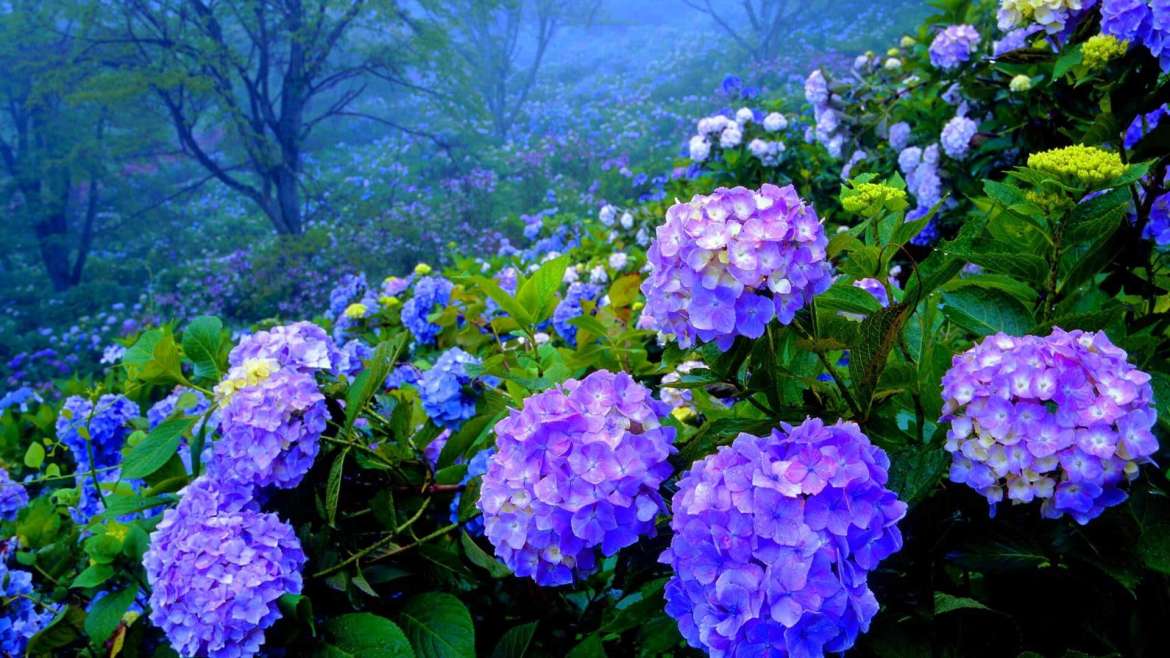
Growing hydrangeas offers vibrant blooms in various colors, enhancing garden aesthetics with minimal care.
Hydrangeas. Odd name, but an absolute showstopper in any garden. If you’ve never seen one, picture a bouquet of flowers on steroids—lush, full, and so colorful it might as well be a firework show in plant form. Hydrangeas bring that wow factor, and they’re as low-maintenance as they come. Hardy and resilient, they’ll bloom like clockwork every year.
They flower in the summer, but the magic? It’s the color change. Some varieties shift hues based on the pH of the soil, so you could end up with a garden that’s either soft blue, vibrant pink, or even lavender—depending on how you treat them. No need for a fancy science degree to get that to happen, just a little soil tweaking.
But before you rush to plant one, know this: hydrangeas are fans of a good drink and some shade. While they love sun, they don’t mind a bit of protection from the heat. They’ll thrive in moist, well-drained soil—so be generous with the watering, especially in the first few years.
And that bushy beauty of a shrub? It’s more than just a pretty face. With their big, ruffled blooms and hearty structure, hydrangeas will make any backyard feel like it’s straight out of a gardening magazine. Plus, they’re the kind of plant that makes you feel like a pro, even if you’re just getting started in the garden.
How to Grow Hydrangeas
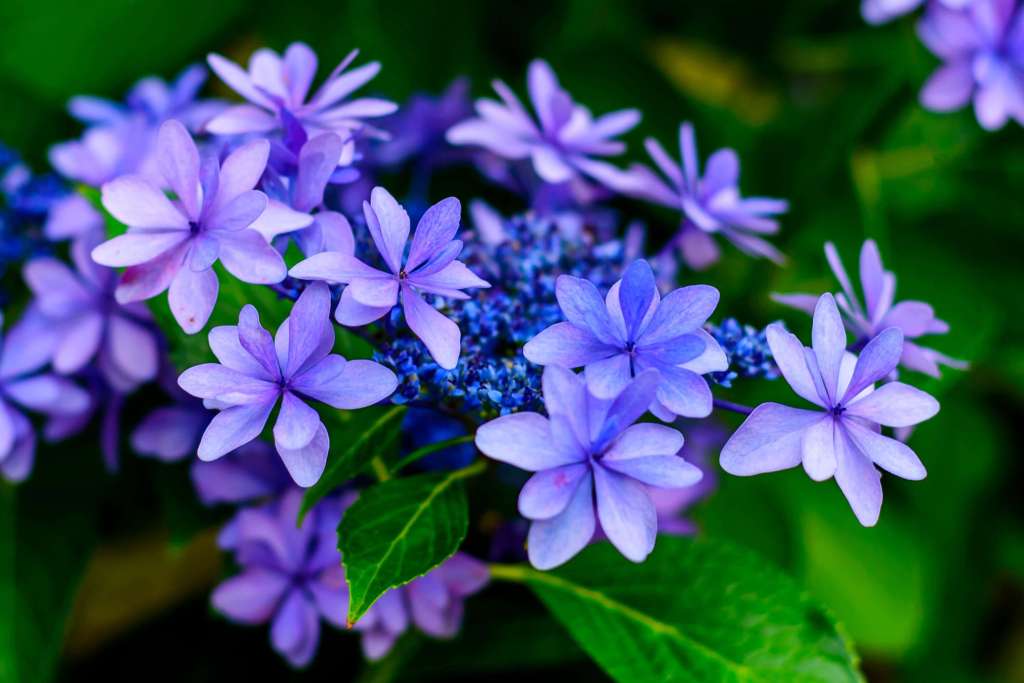
Growing hydrangeas can be an exciting experience, as these flowering shrubs are known for their stunning, showy blooms.
Below is a guide to help you with hydrangeas.
Choosing the Right Type of Hydrangea
There are several types of hydrangeas, and each has its own specific needs:
- Bigleaf Hydrangea (Hydrangea macrophylla): Prefers partial shade, known for its ability to change flower color based on soil pH.
- Panicle Hydrangea (Hydrangea paniculata): Tolerates full sun and is hardy in colder climates.
- Smooth Hydrangea (Hydrangea arborescens): Grows well in partial to full shade and is very cold-hardy.
- Oakleaf Hydrangea (Hydrangea quercifolia): Likes partial shade and has distinctive oak-shaped leaves.
Planting Hydrangeas
- When to Plant: Plant in spring or fall when temperatures are mild.
- Location: Choose a spot with morning sun and afternoon shade. Hydrangeas prefer well-drained soil rich in organic matter.
- Soil Preparation: Work in compost or other organic matter to improve soil texture and drainage.
- Planting Process:
- Dig a hole twice as wide and just as deep as the root ball.
- Place the hydrangea in the hole, making sure the top of the root ball is level with the surrounding soil.
- Fill the hole with soil, tamping down gently to remove air pockets.
- Water thoroughly after planting.
Growing Hydrangeas
- Watering: Hydrangeas need consistent moisture, especially during their first year. Water deeply once or twice a week, more often during hot, dry periods.
- Mulching: Apply a 2-3 inch layer of mulch around the base of the plant to retain moisture and suppress weeds.
- Fertilizing: Fertilize in early spring with a balanced, slow-release fertilizer. Avoid over-fertilizing, as it can lead to more leaves than flowers.
- Pruning: Pruning depends on the type of hydrangea:
- Bigleaf and Oakleaf: Prune immediately after flowering, cutting back to just above a pair of healthy buds.
- Panicle and Smooth: Prune in late winter or early spring before new growth begins. Cut back to about one-third of their height.
Caring for Hydrangeas
- Winter Protection: In colder climates, protect hydrangeas from harsh winter winds by covering them with burlap or using mulch to insulate the roots.
- Pest and Disease Control: Keep an eye out for common pests like aphids and spider mites. Powdery mildew can be an issue in humid conditions, so ensure good air circulation around your plants.
- Changing Flower Color: For Bigleaf hydrangeas, the flower color can be adjusted:
- Blue Flowers: Add aluminum sulfate to the soil to lower pH.
- Pink Flowers: Add lime to raise the soil pH.
Additional Tips
- Propagation: Hydrangeas can be propagated by softwood cuttings in late spring or early summer.
- Container Growing: Hydrangeas can be grown in pots, especially dwarf varieties. Use a high-quality potting mix and ensure the container has good drainage.
Hydrangeas Growing Zone
Hydrangeas are typically grown in USDA hardiness zones 3 to 9, depending on the variety.
Here’s a general guideline:
- Zone 3 to 7: Cold-hardy varieties like Hydrangea arborescens (e.g., ‘Annabelle’) and Hydrangea paniculata (e.g., ‘Limelight’) can thrive in these zones.
- Zone 5 to 9: Hydrangea macrophylla (bigleaf hydrangeas) and Hydrangea quercifolia (oakleaf hydrangeas) are more common in these zones. However, bigleaf hydrangeas may struggle to bloom in the colder parts of Zone 5 unless they are cold-hardy cultivars.
- Zone 6 to 9: Hydrangea serrata (mountain hydrangeas) also do well in these zones.
Growing Hydrangeas FAQ
Hydrangeas need consistent moisture, especially during the first year after planting. Water them deeply about 1-2 times a week, depending on rainfall and temperature. The soil should remain moist but not waterlogged.
The best time to plant hydrangeas is in the spring or fall when temperatures are mild. This allows the plants to establish their root systems before the heat of summer or the cold of winter.
The color of hydrangea flowers can be influenced by the pH of the soil. Acidic soil (pH below 6.0) produces blue flowers, while alkaline soil (pH above 7.0) produces pink flowers. You can alter the soil pH by adding aluminum sulfate for blue flowers or lime for pink flowers.
Yes, but the timing depends on the type of hydrangea. For most hydrangeas, prune in late winter or early spring before new growth begins. Remove dead or weak stems, and shape the plant as needed. Some varieties, like the mophead hydrangea (Hydrangea macrophylla), should only be pruned after they bloom.
To protect hydrangeas during the winter, mulch around the base of the plants with straw, leaves, or pine needles to insulate the roots. In colder climates, consider covering the plant with burlap to shield it from harsh winds and frost.
Hydrangea bloom time varies depending on the variety. Most hydrangeas bloom from early summer through late summer or early fall. With proper care, they can provide beautiful blooms for several months.
Sign up to get our FREE weekly emails
Gardening guides, tips, & videos delivered right to your inbox!


