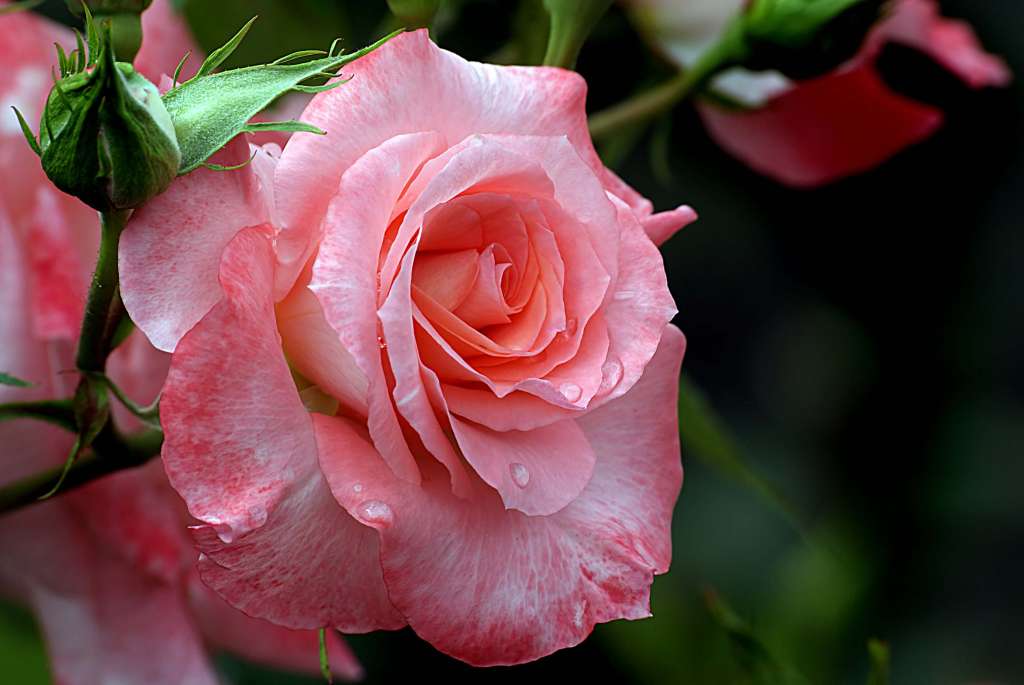
Roses. Simple name, but let me tell you, they’re a damn beautiful obsession. If you’ve never gotten close enough to appreciate one, think of them as the ultimate mix of elegance and attitude, like if a flower decided to throw a party and still look flawless while doing it. Soft, fragrant, and with a touch of mystery, roses are a must-have in any garden.
They bloom in spring and summer, filling the air with a perfume that’s nothing short of intoxicating. Bonus? There’s a rose for nearly every climate, so they’re not as picky as people say. But don’t expect them to just bloom for free—these beauties like their space and soil that drains well. And, like any high-maintenance diva, they appreciate a bit of extra attention at first, especially with watering, pruning, and feeding them right. After a season or two, though, they’re ready to thrive on their own.
The plant itself? Spectacular. The leaves are a rich green, the stems a bit thorny (don’t be fooled, they’re not soft), and the blooms range from bold reds to soft pastels. A rose is a statement, and it’s definitely not shy about it.
How to Grow Roses
Growing roses can be rewarding if done correctly. Below is a comprehensive guide.
Choosing the Right Rose Type
- Types of Roses: Hybrid Tea, Floribunda, Grandiflora, Climbing, Shrub, Miniature, etc.
- Climate: Choose varieties suited to your climate—cold-hardy roses for colder regions, and heat-tolerant varieties for warmer areas.
Planting & Growing Roses
- Location: Choose a spot with at least 6 hours of sunlight per day.
- Soil: Well-drained, slightly acidic soil (pH 6.0 to 6.5) is ideal. Enrich the soil with compost or organic matter.
- Planting Time: Early spring or fall, depending on your climate.
- Spacing: Space roses about 2 to 3 feet apart, depending on the variety.
- How to Plant:
- Dig a hole twice as wide and as deep as the root ball.
- Mix compost into the soil.
- Place the rose in the hole, ensuring the bud union (where the rose is grafted to the rootstock) is slightly above the soil level.
- Fill the hole with soil, water thoroughly, and mulch around the base.
Caring for Roses
- Watering: Water deeply, aiming for the roots, not the leaves. Once a week is usually sufficient, but adjust for weather conditions.
- Fertilizing: Use a balanced rose fertilizer or a slow-release formula. Feed every 4-6 weeks during the growing season.
- Pruning:
- Timing: Prune in late winter or early spring before new growth begins.
- How to Prune: Remove dead or damaged wood, thin out crowded areas, and shape the plant to allow good air circulation. Cut at a 45-degree angle just above an outward-facing bud.
- Mulching: Apply a 2-3 inch layer of organic mulch (like wood chips or straw) around the base to retain moisture and suppress weeds.
Managing Pests and Diseases
- Common Pests: Aphids, spider mites, and Japanese beetles.
- Common Diseases: Black spot, powdery mildew, and rust.
- Control Methods:
- Regularly inspect your roses and remove any diseased leaves.
- Use insecticidal soap or neem oil for pests.
- Fungicides can help with diseases, but good air circulation and proper watering can prevent many issues.
Winter Care
- In colder regions, protect roses by mulching heavily around the base, and consider covering them with burlap or rose cones.
Deadheading and Bloom Encouragement
- Deadheading: Remove spent blooms to encourage more flowers. Cut back to the first set of five leaves.
- Reblooming: Fertilize after the first bloom cycle to promote another round of flowers.
Propagation
- From Cuttings: Take cuttings from healthy, non-flowering stems in late spring or early summer.
- Grafting: This is more advanced but can be done by grafting a desired rose variety onto a strong rootstock.
Additional Tips
- Companion Planting: Consider planting garlic or marigolds nearby to repel pests.
- Patience: Roses may take a year or more to become well-established and start blooming profusely.
Roses Growing Zone
Roses typically thrive in USDA Hardiness Zones 4-9, but the specific zone where roses will grow best depends on the type of rose.
Here’s a general guide:
- Zone 3-4: Some hardy roses, like Rugosa roses and certain Canadian hybrids, can survive these colder zones with proper winter protection.
- Zone 5-6: Most modern shrub roses, hybrid teas, and floribundas do well here with minimal winter protection.
- Zone 7-9: In these warmer climates, nearly all types of roses can be grown, including less cold-hardy varieties like tea roses and grandifloras.
Growing Roses FAQ
The best time to plant roses is in early spring after the last frost, or in late fall when the plants are dormant. This gives the roots time to establish before the growing season.
Water newly planted roses frequently to keep the soil moist but not waterlogged. Mature roses typically need about 1 inch of water per week, but this can vary depending on climate and soil conditions.
Yes, roses can be grown in containers, but choose a large pot with good drainage. Use quality potting soil and water more frequently than ground-planted roses. Consider miniature or patio roses for container gardening.
Common reasons include inadequate sunlight, poor soil, over-fertilization, or improper pruning. Ensure the plant gets enough light, nutrients, and care to encourage blooms.
Sign up to get our FREE weekly emails
Gardening guides, tips, & videos delivered right to your inbox!