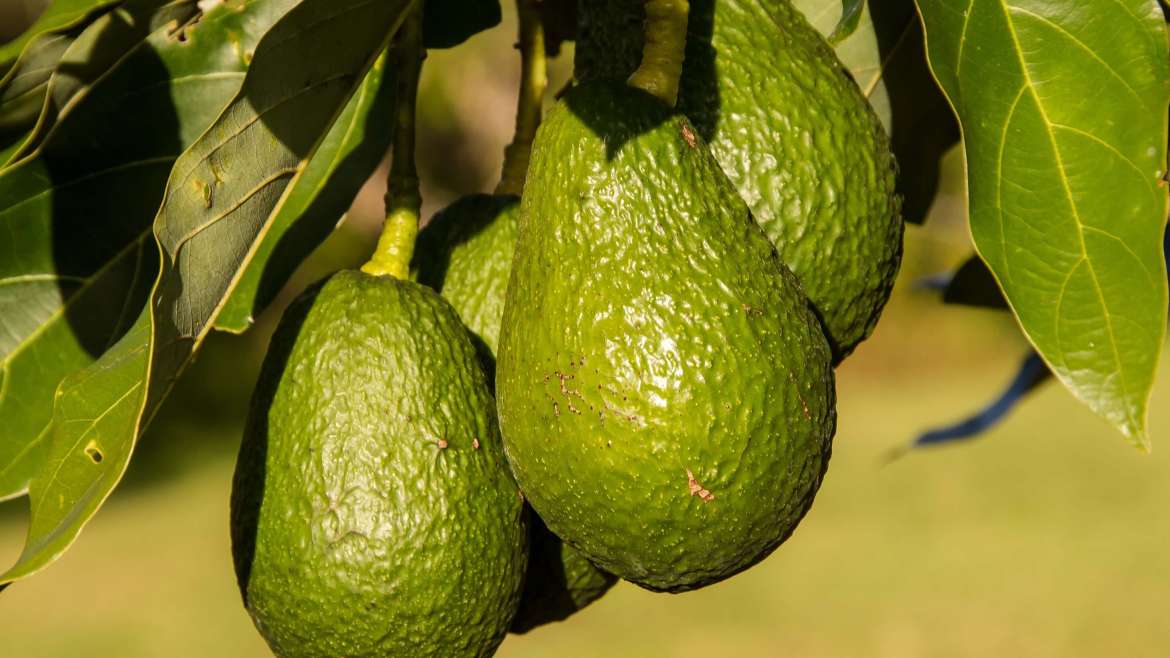
Avocado. Not just for toast and overpriced brunches—this tree is a straight-up legend. If you’ve never grown one, picture a lush, sprawling green machine that turns sunshine into creamy, nutrient-packed gold. It’s basically a money tree, but edible.
Avocados take their sweet time to fruit—three to five years if grown from a grafted tree, and way longer if you start from that pit you swore would sprout on your windowsill (it won’t, not properly). But patience pays off, and when it does? You get buttery, homegrown avocados that taste like victory.
They like warmth but don’t love direct scorching heat. Young trees need shade, water, and a little protection from frost—think of them as slightly high-maintenance toddlers before they hit their independent, fruit-bearing phase. But once established? Low effort, high reward.
The tree itself is a looker. Shiny, deep-green leaves, a sturdy trunk, and if you’re lucky, an occasional bloom of tiny, weirdly complex flowers that turn into your future guacamole. Plus, they provide solid shade, which means your backyard just got about 80% cooler (both figuratively and literally).
The avocado is definitely such a unique fruit cherished for its creamy texture and rich, nutty flavor. Native to south-central Mexico, it belongs to the Lauraceae family and is botanically classified as a large berry with a single seed.
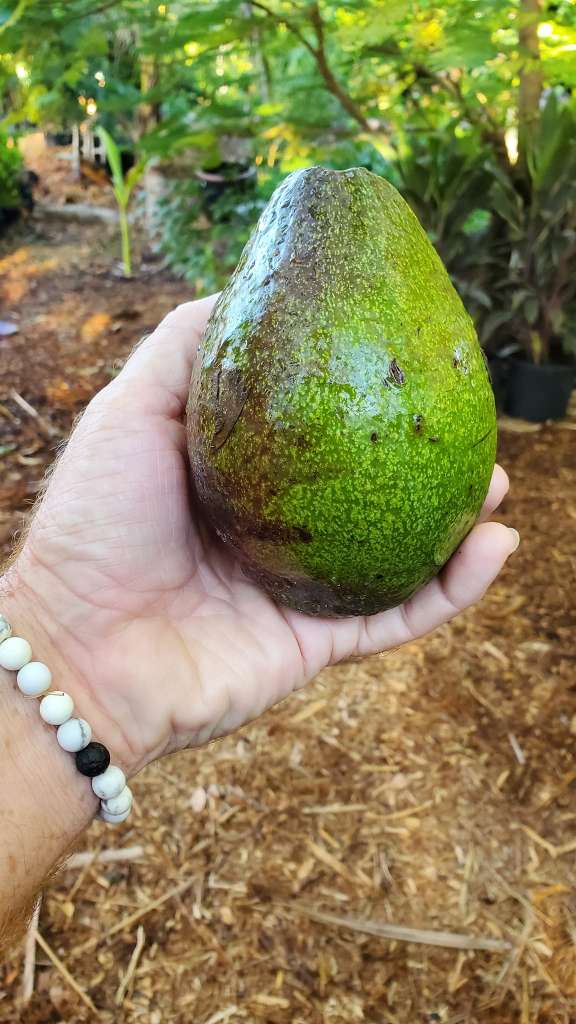
The fruit typically has a pear shape but can also be spherical or egg-shaped, varying in size from small to large. The skin of the avocado is usually green, with some varieties having a smooth texture, while others feature a rougher exterior. As the fruit ripens, the skin darkens, transitioning to dark green or black, signaling that it is ready for consumption.
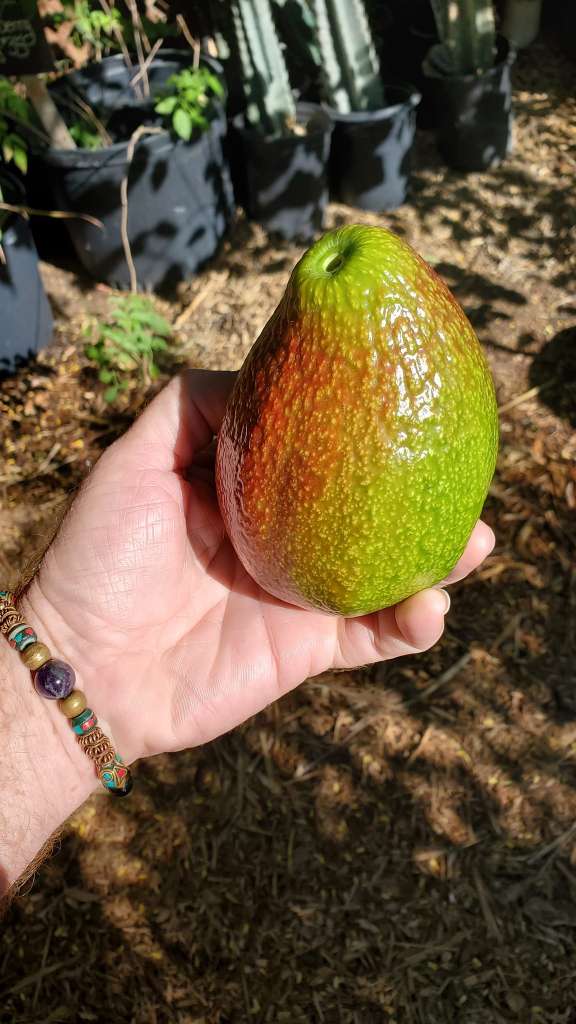
Avocados are widely praised for their exceptional nutritional value. They are rich in monounsaturated fats, which are beneficial for heart health, and contain a wealth of essential vitamins and minerals, including vitamins C, E, K, and B-6.
This makes them a versatile and nutritious addition to a variety of dishes, from salads to smoothies. The fruit’s pale green flesh is known for its buttery, creamy texture, although it darkens when exposed to air, which is why it’s often served immediately after being cut to preserve its freshness.
Growing Avocados
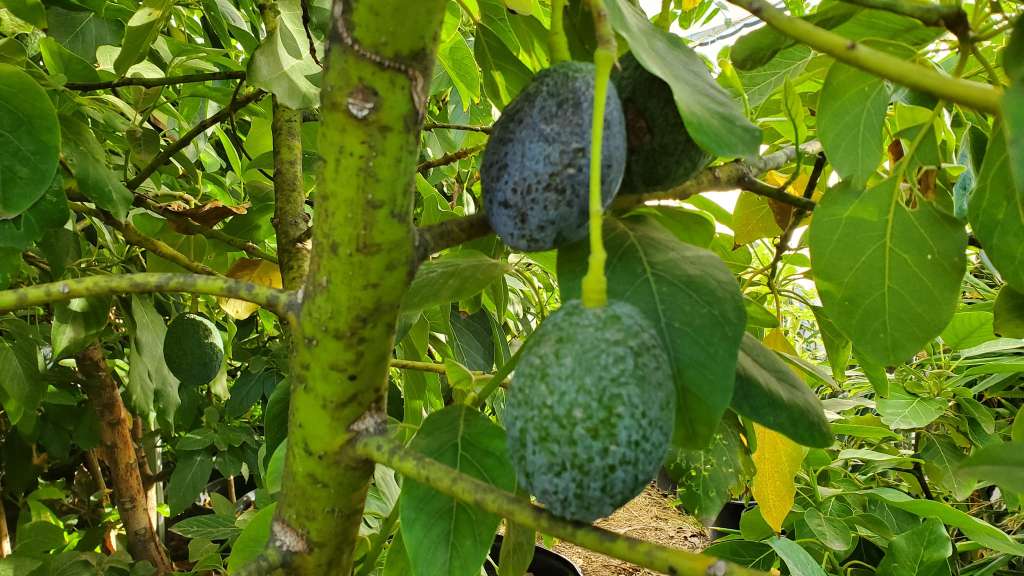
Growing Avocados can be a rewarding experience with the right conditions and care. Avocado trees thrive in warm climates with plenty of sunlight and well-drained soil.
Starting from a pit or a young grafted tree, ensure the plant has ample space to grow, as Avocados can become quite large, depending on the variety. Check out our step-by-step guide below on how to grow Avocado trees.
Planting Avocados
- Choosing the Right Variety:
- Select an avocado variety suitable for your climate. Common varieties include ‘Hass’, ‘Fuerte’, and ‘Bacon’
- Selecting the Site:
- Avocados need well-draining soil and a sunny location. Avoid areas prone to strong winds or frost
- Planting Time:
- The best time to plant Avocados is in the spring when the soil has warmed up
- Preparing the Soil:
- Dig a hole twice as wide and deep as the root ball. Mix in compost to enrich the soil
- Planting the Tree:
- Place the tree in the hole, ensuring the root ball is level with the ground surface. Fill the hole with soil and water thoroughly
- Mulching:
- Apply a layer of mulch around the tree to retain moisture and suppress weeds, keeping it away from the trunk
Growing Avocados
- Watering:
- Keep the soil consistently moist but not waterlogged. Avocado trees need more water during the hot months
- Fertilizing:
- Use a balanced fertilizer, high in nitrogen, applied in small amounts throughout the growing season
- Pruning:
- Prune the tree to maintain shape and remove any dead or diseased branches. Light pruning encourages better fruit production
- Pest and Disease Control:
- Keep an eye out for pests like mites and aphids, and diseases such as root rot. Use appropriate organic or chemical treatments as needed
- Supporting the Tree:
- Young trees may need staking to support them until they establish a strong root system
Harvesting Avocados
- Timing:
- Avocados do not ripen on the tree. Pick them when they are mature but still hard. The time from flowering to maturity varies by variety but is typically between 6-18 months
- Testing for Maturity:
- Mature Avocados will usually have a darker skin and will yield slightly to gentle pressure
- Picking:
- Use pruning shears or a sharp knife to cut the fruit from the tree, leaving a small stem attached to avoid damaging the fruit
- Ripening:
- Place the harvested Avocados in a cool, dry place. To speed up ripening, place them in a paper bag with an apple or banana
Avocado Growing Zone
- Avocado trees thrive in warm climates and are best suited to USDA hardiness zones 9 through 12
Additional Tips
- Companion Planting:
- Plant Avocados with companion plants like beans, marigolds, and comfrey to enhance growth and pest resistance
- Climate Considerations:
- In colder climates, consider planting dwarf varieties in large containers that can be moved indoors during the winter
- Patience:
- Avocado trees grown from seed may take 7-15 years to bear fruit, while grafted trees can take 3-4 years
Growing Avocados FAQ
An avocado tree grown from a pit can take 10 to 15 years to bear fruit. However, a grafted tree, which is more common for home growers, can produce fruit in 3 to 4 years.
Avocados can be grown in warm, tropical, and subtropical regions with minimal frost. Major growing areas include southern California, Florida, and Hawaii in the US; Mexico, and some countries in Central and South America. They are also cultivated in some parts of the Mediterranean, Africa, and Asia.
Avocado trees prefer well-draining soil. They do best in sandy loam but can grow in a range of soil types as long as there is good drainage. Avoid heavy clay soils that retain water.
Avocado trees need regular watering, especially when young. The soil should be kept moist but not waterlogged. Mature trees can be watered less frequently but deeply.
Yes, avocado trees require full sun for at least 6 to 8 hours a day. Plant them in a sunny spot in your garden. If you live in an extremely hot area, create a microclimate or protect them from the harsh summer sun during extreme heat.
Use a balanced, slow-release fertilizer designed for fruit trees. Fertilize young trees every 1 to 2 months and mature trees 4 times a year.
Avocado trees can be grown indoors in a container, especially in colder climates. However, they need plenty of sunlight and some space as they may grow large, so place them near a south-facing window or use grow lights. Indoor trees may not grow as large or produce fruit as readily as outdoor trees.
Yes, you can grow an avocado tree from a pit. Remove the pit, clean it, and suspend it over water using toothpicks until it sprouts roots and a stem. Once it has a few inches of growth, transplant it into soil.
The most common avocado varieties are Hass, Fuerte, Bacon, Zutano, and Pinkerton. Hass is the most popular variety due to its rich flavor and long shelf life.
The best time to plant an avocado tree is in the spring or early summer when the soil is warm. This gives the tree the best chance to establish roots before winter.
Sign up to get our FREE weekly emails
Gardening guides, tips, & videos delivered right to your inbox!