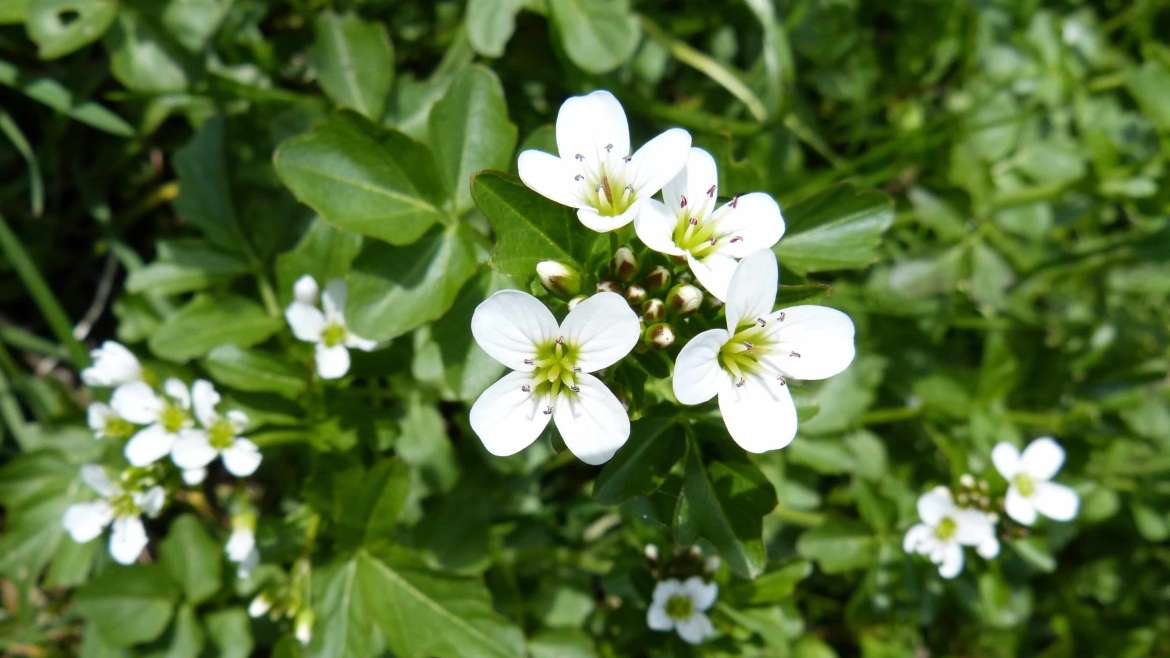
Watercress. Sounds like something you’d toss in a salad, but trust me, it’s so much more. If you’ve never tasted it, think of a crunchy, peppery leaf with a hint of freshness that could make your taste buds do a little happy dance. It’s like the underdog of the greens world—often overlooked, but oh, so versatile and healthy.
Watercress loves to thrive in cool, fresh water, so it’s perfect for those of us who have a little stream or pond to play with. You can grow it in pots, too, but it’ll really show off its best self when it has a bit of room to spread out and get those roots wet. Plus, it grows like wildfire—just a couple of weeks, and you’ve got yourself a hearty harvest.
Need a quick lunch fix? Toss some watercress into a sandwich or salad. It’s rich in vitamins A and C, packed with antioxidants, and even has a bit of a detoxing effect on your system. A great sidekick for whatever dish you’re whipping up.
And let’s not forget—this plant has a history. People have been using watercress for centuries, not just as food, but for its medicinal qualities. It’s been known to help with everything from digestion to skin health. What can I say? Watercress is kind of a wellness rockstar.
How to Grow Watercress
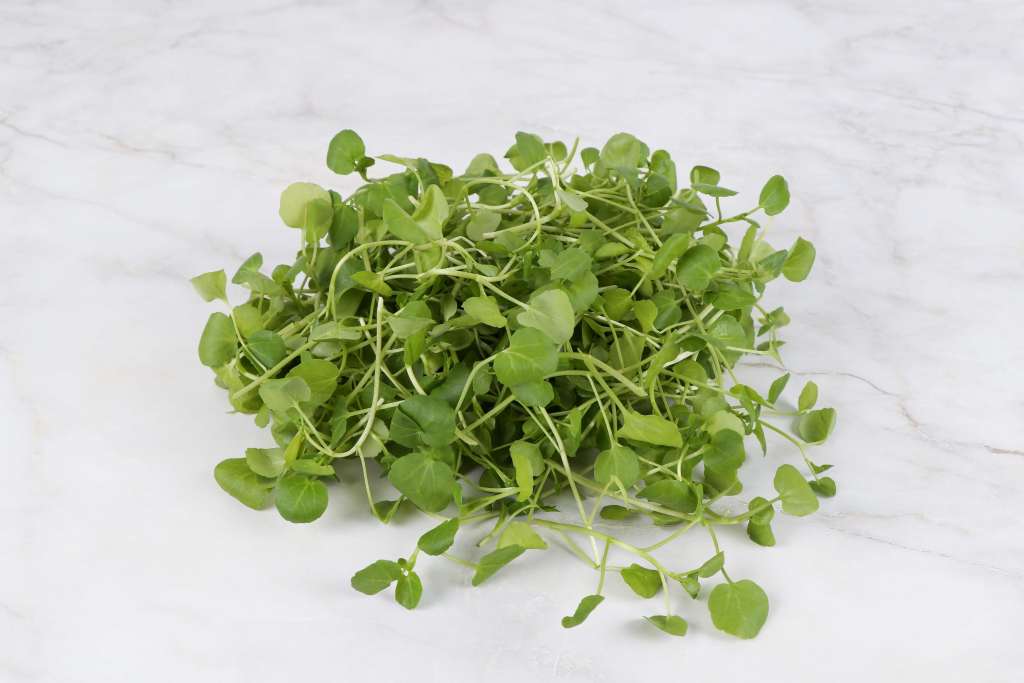
Watercress is a nutritious leafy green that thrives in wet conditions. Below is a guide to help you plant, grow, and harvest watercress successfully.
Choosing the Right Location
- Watercress thrives in water: It’s typically found near streams and rivers. However, you can grow it in a garden bed, containers, or even in a shallow tray with water.
- Sunlight: Choose a spot with partial shade. Watercress prefers cool conditions and can bolt (go to seed) if exposed to too much heat.
Preparing the Soil
- Soil type: Watercress needs consistently moist or waterlogged soil. A loamy soil with good organic matter is ideal.
- pH level: Watercress prefers slightly acidic to neutral pH, around 6.5-7.5.
Planting Watercress
- Seeds or cuttings: You can start watercress from seeds or cuttings. Seeds should be sown directly on the surface of moist soil and lightly pressed in.
- Spacing: Space seeds or seedlings about 8-10 inches apart to allow room for growth.
Growing Conditions
- Water: Keep the soil consistently moist. If growing in a container, keep it in a shallow tray with water to mimic its natural habitat.
- Temperature: Watercress grows best in cooler temperatures, between 60-70°F (15-21°C). It may struggle in hot, dry conditions.
Caring for Watercress
- Fertilizing: Watercress is a light feeder and generally doesn’t require much fertilization. A monthly application of a balanced liquid fertilizer can be beneficial.
- Pests: Keep an eye out for pests like aphids and snails. Organic insecticidal soap can help manage infestations.
Harvesting Watercress
- When to harvest: Watercress can be harvested as soon as it reaches about 4-6 inches tall. Regular harvesting encourages new growth.
- How to harvest: Use scissors to trim the stems about 2 inches above the base, leaving some growth for the plant to regenerate.
- Storage: Fresh watercress should be stored in the refrigerator, wrapped in a damp cloth or placed in a plastic bag, and consumed within a few days for the best flavor.
Watercress Growing Zone
- Watercress (Nasturtium officinale) is a hardy, aquatic plant that thrives in cool, wet environments. It is commonly grown in USDA hardiness zones 3 through 12.
Tips:
- Continuous harvest: To ensure a continuous supply, plant new seeds every few weeks.
- Container gardening: Watercress can be grown in a pot placed in a larger container filled with water. This makes it easier to maintain the wet conditions it needs.
Growing Watercress FAQ
Watercress is a fast-growing, aquatic or semi-aquatic perennial plant that belongs to the Brassicaceae family. It’s known for its peppery taste and is often used in salads, soups, and sandwiches.
Watercress thrives in cool, moist conditions with plenty of water. It prefers partial shade but can tolerate full sun if it has enough moisture. The ideal temperature range is between 50°F to 60°F (10°C to 16°C).
Yes, watercress can be grown indoors. It can be grown in pots, trays, or hydroponically. Ensure the plants receive enough light (about 6 hours a day) and keep the growing medium consistently moist.
Sow watercress seeds on the surface of a damp seed-starting mix. Press the seeds lightly into the soil but do not cover them, as they need light to germinate. Keep the soil moist and place the tray in a warm, bright spot. Seeds typically germinate within 5 to 7 days.
Yes, watercress can be grown in water, which mimics its natural environment. Use a container filled with water and add a small amount of gravel or stones to anchor the roots. Change the water regularly to keep it fresh.
Watercress can be harvested frequently once it reaches about 4 to 6 inches tall. Regular harvesting will promote bushier growth and a continuous supply of fresh leaves.
Yes, watercress is a perennial plant in its natural environment, meaning it can grow year after year. However, in colder climates, it may die back in winter and regrow in spring.
Yes, watercress grows well in containers. Use a shallow container with good drainage and fill it with a rich, loamy soil. Keep the soil constantly moist, and place the container in a partially shaded area.
The best time to plant watercress is in early spring or fall when temperatures are cooler. In warmer climates, it can be grown throughout the year as long as it receives adequate water and shade.
Sign up to get our FREE weekly emails
Gardening guides, tips, & videos delivered right to your inbox!