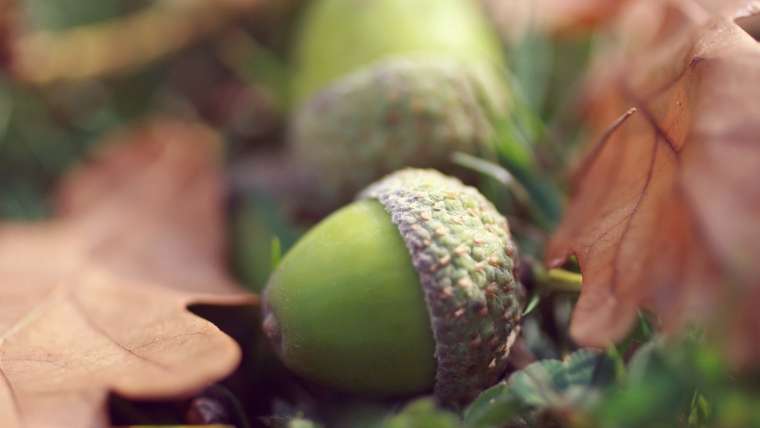
Hazelnuts. Quirky little nut, but oh-so-delicious. If you’ve never had one, imagine a perfectly crunchy bite that’s just the right mix of nutty and slightly sweet, with a bit of a buttery finish. Hazelnuts are one of those snacks that make you wonder why we don’t use them in everything. They’re tasty, healthy, and versatile, whether you’re tossing them in a salad, blending them into a smooth spread, or just munching them straight from the jar.
They bloom in spring, ripen in late summer, and (here’s the cool part) once your tree settles in, it’ll start giving you hazelnuts in just 3-5 years—so you don’t have to wait forever! But, like any good thing, there’s a little work involved. Hazelnut trees aren’t the most low-maintenance; they need space to stretch their roots, and they prefer well-drained soil to thrive.
And don’t think you can just stick them anywhere and hope for the best. They appreciate a bit of care, especially in the beginning, with some light pruning and maybe a couple of reminders that they’re loved. But once they get going, they’re tough, dealing with cold winters and hot summers like pros.
The tree itself? Beautiful, with broad, soft leaves that give off a gentle, rustic vibe. Plus, the branches get these cute little catkins when they flower—so it’s not just a snack, it’s a whole vibe.
How to Grow Hazelnuts

Growing hazelnuts can be a great experience, especially since they’re relatively easy to grow and can be quite productive.
Planting Hazelnuts
- Choosing a Site:
- Sunlight: Hazelnuts thrive in full sun, so choose a location that receives at least 6 hours of sunlight daily.
- Soil: They prefer well-drained, loamy soil with a pH between 6.0 and 7.5.
- Spacing: Space trees about 15-20 feet apart for optimal growth and air circulation.
- Selecting Plants:
- Hazelnuts can be grown from seeds, but it’s better to plant young trees (2-3 years old) from a nursery. Choose varieties suitable for your climate zone.
- Planting Time:
- The best time to plant hazelnut trees is in the early spring or fall when the weather is cool.
- Planting Process:
- Dig a hole twice as wide and as deep as the tree’s root ball.
- Position the tree in the hole, making sure the top of the root ball is level with the ground.
- Fill the hole with soil, pressing down firmly to eliminate air pockets.
- Water thoroughly after planting to settle the soil around the roots.
Growing Hazelnuts
- Watering:
- Water young trees regularly, especially during dry periods. Mature trees are more drought-tolerant but still benefit from occasional deep watering.
- Mulching:
- Apply a 2-4 inch layer of mulch around the base of the tree to retain moisture, regulate soil temperature, and prevent weeds.
- Fertilizing:
- Fertilize in early spring with a balanced fertilizer (e.g., 10-10-10) to promote healthy growth. Avoid over-fertilizing as it can lead to excessive leaf growth at the expense of nut production.
- Pruning:
- Prune hazelnut trees in late winter to remove dead or diseased wood and to shape the tree for better light penetration and air circulation. Remove suckers from the base regularly.
Harvesting Hazelnuts
- Harvest Time:
- Hazelnuts are typically ready for harvest in late summer to early fall when the nuts begin to drop from the tree. The husks will turn brown and start to split open.
- Harvesting Process:
- Shake the tree gently or pick up nuts that have fallen to the ground.
- Remove the husks from the nuts. This can be done by hand or by rubbing the nuts together.
- Dry the nuts in a warm, dry, well-ventilated area for about 2-4 weeks. Spread them out in a single layer and stir occasionally to ensure even drying.
- Storage:
- Once dried, store hazelnuts in a cool, dry place. They can be kept in their shells for several months or shelled and stored in an airtight container.
Pest and Disease Management
- Common Pests: Hazelnuts can be affected by pests like aphids, weevils, and squirrels. Use appropriate pest control methods if necessary.
- Diseases: Watch out for diseases like Eastern filbert blight. Proper pruning and spacing help reduce disease risks.
Hazelnuts Growing Zone
Hazelnuts, also known as filberts, typically grow well in USDA hardiness zones 4 through 9. However, the best growth is often seen in zones 6 and 7, where the climate conditions are ideal for producing high-quality nuts.
Growing Hazelnuts FAQ
Yes, hazelnut trees are wind-pollinated and require at least two different cultivars for cross-pollination to produce nuts. Plant the trees within 50 feet of each other to ensure successful pollination.
Hazelnut trees typically start producing nuts 3-5 years after planting, with full production occurring around 7-10 years. The harvest season is usually in late summer to early fall.
Hazelnuts are ready for harvest when the husks begin to turn brown and the nuts start to fall to the ground. You can shake the tree gently to release more nuts. Collect the fallen nuts and remove the husks before drying them in a well-ventilated area.
Yes, hazelnuts can be grown in containers, especially dwarf or compact varieties. Use a large pot with good drainage and fill it with quality potting soil. Container-grown hazelnuts will require more frequent watering and fertilizing compared to those grown in the ground.
Hazelnuts primarily come from the hazel tree, specifically the species Corylus avellana, which is native to Europe and western Asia. The largest producer of hazelnuts is Turkey, which accounts for about 70% of the world’s supply. Italy, the US, and Spain are also significant producers.
Sign up to get our FREE weekly emails
Gardening guides, tips, & videos delivered right to your inbox!