Are you looking to enhance your turnip harvest and make your garden more productive? One of the most effective gardening strategies to achieve this is companion planting. Companion planting involves strategically pairing plants together that benefit each other in terms of growth, pest control, or soil health. If you want to take your turnip cultivation to the next level, understanding which plants work best with turnips is crucial.
In this comprehensive guide, we will explore why companion planting for turnips is essential, the best plants to grow alongside them, those you should avoid, and expert tips for maximizing the benefits of this gardening technique. So, grab your gardening gloves and let’s dive into the world of turnip companion planting!
Why You Should Consider Companion Planting for Turnips
Turnips are a versatile root vegetable, thriving in a variety of climates and growing conditions. They are relatively easy to grow, but like all plants, they can benefit from the support of their neighbors. Companion planting offers several key advantages that can significantly improve your turnip yield and overall garden health:
- Pest Control: Certain plants can act as natural pest repellents, helping to protect your turnips from common garden pests. This reduces the need for harmful pesticides and promotes a healthier garden ecosystem.
- Enhanced Growth: Some plants improve the soil structure, enhance nutrient availability, or provide shade to their companions, which can lead to more robust growth of turnips.
- Maximized Space: Companion planting helps you utilize space more effectively, allowing you to grow more in less area without overcrowding.
- Increased Pollination: Some companion plants attract beneficial pollinators, which can boost the productivity of your garden and increase your harvest.
- Soil Health Improvement: Certain plants, like legumes, fix nitrogen in the soil, improving soil fertility for turnips and other crops.
By using companion planting, you not only support your turnips in growing well but also contribute to a more sustainable and thriving garden environment.
Best Companion Plants for Turnips
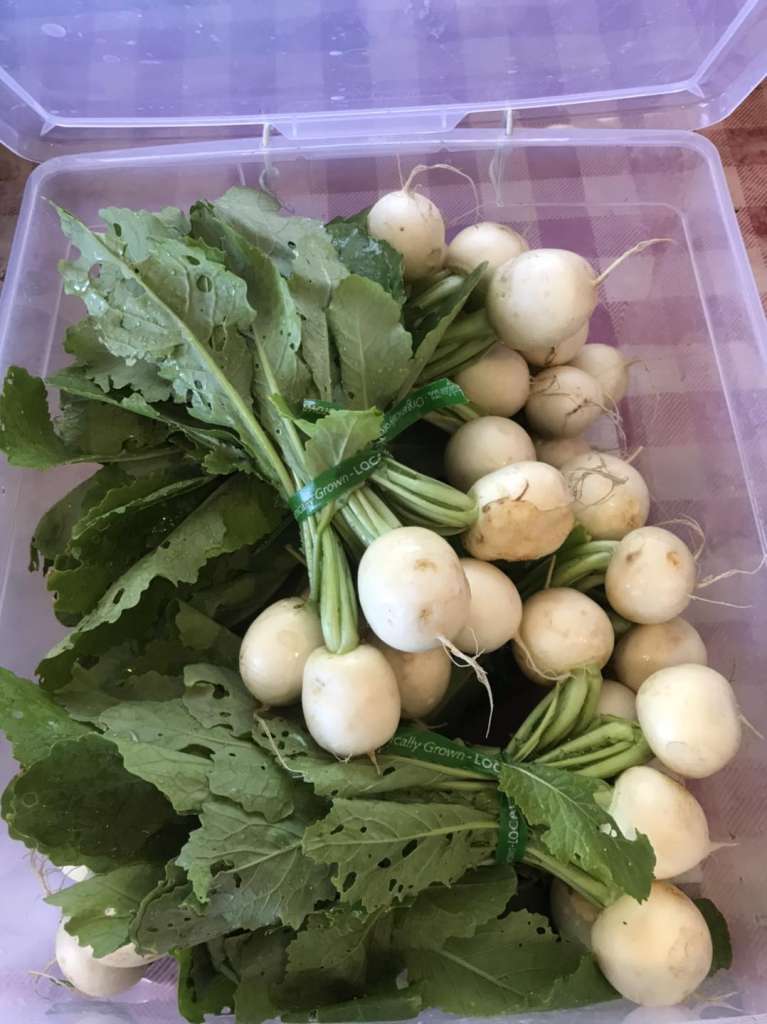
Now that we understand the benefits of companion planting, let’s take a look at the best plants to grow alongside turnips. These companions can either protect your turnips from pests, improve the soil, or enhance overall growth.
1. Radishes
Radishes and turnips are excellent companion plants, as they have similar growing requirements and help each other thrive. Radishes are fast-growing and can act as a natural deterrent for pests that commonly affect turnips, such as root maggots. They also help to break up compacted soil, allowing turnips to grow with more ease.
2. Garlic
Garlic is known for its strong aroma, which can help repel a variety of pests, including aphids, beetles, and other insects that may harm turnips. Additionally, garlic’s natural antifungal properties help keep soil conditions favorable for turnips.
3. Onions
Like garlic, onions are great for deterring pests that can affect turnips, especially aphids and flea beetles. Their strong scent is a natural repellent for many harmful insects, ensuring that your turnips stay protected. Onions are also excellent at improving soil drainage and structure, which benefits turnips.
4. Spinach
Spinach and turnips are both cool-weather crops that do well in similar growing conditions. They also complement each other by shading the soil, which can help keep the turnip roots cool and prevent them from becoming too hot, leading to more tender and sweeter turnips. Additionally, spinach doesn’t compete heavily with turnips for nutrients, making them ideal companions.
5. Cabbage
Cabbage plants, like turnips, thrive in cooler climates, making them perfect for planting together. Cabbage can provide shade for turnips, helping keep the soil moist and cool. Additionally, cabbage’s large leaves can protect turnips from excessive sun exposure. However, be cautious not to plant too many cabbage plants, as they may compete for space and nutrients.
6. Mustard Greens
Mustard greens are another excellent companion for turnips due to their ability to deter pests. They help repel pests such as aphids, which can negatively affect turnips. Mustard greens also benefit turnips by helping to suppress weed growth around them, making for a cleaner and healthier garden environment.
7. Marigolds
Marigolds are a popular companion plant for many vegetables, including turnips, because of their ability to repel nematodes and other harmful insects. Their vibrant flowers also attract pollinators, which can increase the overall health and productivity of your garden. Marigolds add a splash of color while protecting your turnips from pest damage.
8. Chives
Chives are another great herb to plant near turnips. They help to repel aphids and other pests while adding a mild onion-like flavor to your dishes. Chives also do well in similar growing conditions to turnips, making them an easy and beneficial addition to your garden.
9. Carrots
Carrots and turnips make great companions because they grow at different soil depths. While carrots grow deep into the soil, turnips have a shallower root system. This ensures that both crops can coexist without competing for the same nutrients. Additionally, carrots help to loosen the soil, making it easier for turnips to grow.
Plants to Avoid Planting Near Turnips
While companion planting can do wonders for your turnips, some plants may harm them if planted nearby. It’s important to know which plants to avoid in order to ensure your turnips grow to their full potential.
1. Tomatoes
Tomatoes are heavy feeders that tend to compete with turnips for nutrients. Planting them near turnips can result in stunted growth for both plants. Additionally, tomatoes can attract pests like aphids and hornworms, which can damage your turnips.
2. Potatoes
Potatoes and turnips should not be planted together due to their different soil needs and potential to compete for space and nutrients. Potatoes can also harbor pests like the Colorado potato beetle, which may affect turnips as well.
3. Beans
While beans are great for improving soil nitrogen levels, they are not the best companion for turnips. Beans have deep roots that can interfere with turnip root development, and their growing habits can overshadow turnips, blocking essential sunlight. Additionally, beans can be susceptible to pests like aphids, which can spread to turnips.
4. Cucumbers
Cucumbers and turnips don’t pair well together because cucumbers require a lot of space to spread, which can shade and crowd the turnips. Cucumbers also tend to attract pests like cucumber beetles, which can spread diseases to turnips.
5. Peppers
Peppers are not ideal companions for turnips, as they have similar nutrient requirements but tend to grow slower. This can lead to competition for resources, and peppers may hinder the growth of turnips. Furthermore, peppers can attract aphids, which can harm your turnips.
Tips for Growing Companion Plants with Turnips
To ensure that your companion plants work in harmony with your turnips, here are some helpful tips to maximize the benefits:
1. Plan Your Planting Layout
When planning your companion planting arrangement, make sure that each plant has enough space to grow without overcrowding. Turnips have relatively shallow root systems, so they benefit from plants that grow in different layers of the soil. Be sure to provide enough space for each companion to thrive.
2. Rotate Crops Each Season
Crop rotation is an important practice to maintain soil health and avoid pest buildup. Each season, try to rotate your turnips with other vegetables or plants to keep the soil fertile and prevent disease buildup.
3. Monitor Watering Needs
Ensure that you water your turnips and companion plants based on their individual needs. Some companion plants, like spinach and radishes, prefer consistent moisture, while others, like marigolds, are more drought-tolerant. Group plants with similar watering requirements to make maintenance easier.
4. Mulch and Weed Regularly
Mulching around your plants helps retain moisture, regulate soil temperature, and reduce weed growth. Weeding regularly will ensure that your companion plants have access to all the nutrients they need without competition from unwanted plants.
5. Use Organic Fertilizers
Opt for organic fertilizers to feed your turnips and companion plants. Organic fertilizers are gentle on the soil and ensure that your plants grow strong and healthy, without harming beneficial microorganisms in the soil.
Conclusion
Companion planting for turnips is an excellent way to maximize your harvest while promoting a healthy and sustainable garden environment. By carefully selecting the right companion plants, you can protect your turnips from pests, improve soil health, and boost growth. With the right combination of plants, your garden can flourish, and you’ll enjoy an abundance of nutritious turnips.
Are you ready to take your turnip-growing game to the next level? Start planning your companion planting strategy today and watch your garden thrive!
Sign up to get our FREE weekly emails
Gardening guides, tips, & videos delivered right to your inbox!