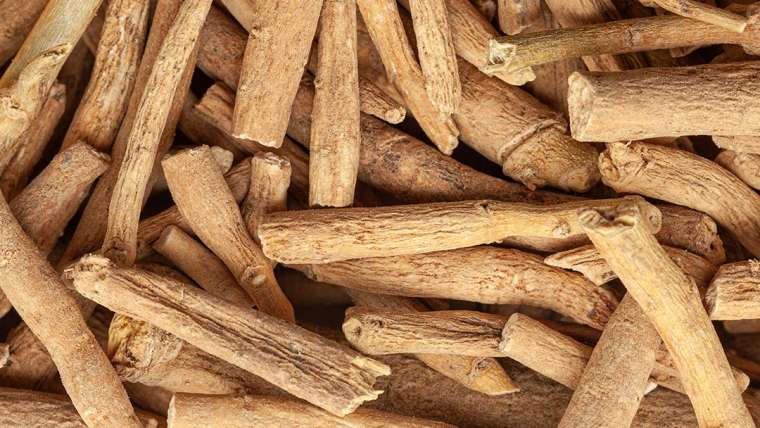
Goldenseal is a perennial herb native to North America, known for its medicinal properties and vibrant yellow roots. For centuries, it has been used in traditional medicine, particularly for its anti-inflammatory and antibacterial benefits.
As interest in natural remedies and sustainable gardening grows, many gardeners are turning to companion planting as a way to enhance the growth and health of their plants. Companion planting is the practice of growing two or more plants in close proximity for mutual benefit.
By carefully selecting plants that complement each other, gardeners can improve soil health, deter pests, and promote stronger, more robust plants. In this guide, we will explore how companion planting can be a game-changer for your Goldenseal garden.
Why You Should Consider Companion Planting for Goldenseal
Goldenseal thrives in shaded, well-drained soils and requires specific growing conditions to flourish. Like many woodland plants, Goldenseal is sensitive to its environment and can benefit greatly from the presence of certain companion plants. Companion planting with Goldenseal can help improve soil structure, encourage healthy root development, and reduce the presence of harmful pests.
One of the primary benefits of companion planting for Goldenseal is pest control. Goldenseal is vulnerable to various insects, including aphids and root-feeding nematodes. By planting certain companion plants nearby, you can create an environment where beneficial insects such as ladybugs, bees, and predatory wasps thrive. These insects help control pests naturally, reducing the need for chemical pesticides. Additionally, some companion plants can act as a deterrent to pests by emitting strong scents or producing compounds that repel harmful insects.
Another advantage of companion planting is the improvement of soil health. Many plants release nutrients into the soil that benefit nearby plants. Goldenseal, like other woodland plants, prefers rich, moist soil with a slightly acidic pH. By choosing companions that help to improve soil fertility or maintain moisture levels, you can create an optimal growing environment for your Goldenseal.
Lastly, companion planting can enhance the aesthetics of your garden. Goldenseal, with its glossy, green leaves and distinctive yellow roots, pairs well with other woodland plants that share similar growth habits. The combination of textures and colors in the garden can create a lush, visually appealing space.
Best Companion Plants for Goldenseal

When selecting companion plants for Goldenseal, it is important to choose plants that share similar growing requirements, such as shade tolerance, moisture needs, and soil type. Here are some of the best companions for Goldenseal:
1. Wild Ginger
Wild Ginger is an excellent companion for Goldenseal because it thrives in similar soil and light conditions. Both plants are native to the woodlands of North America and prefer shady, moist environments. Wild Ginger has low-growing, heart-shaped leaves and a spreading growth habit that makes it an ideal ground cover. It helps to retain soil moisture and suppress weeds, which is beneficial for Goldenseal’s shallow root system. Additionally, Wild Ginger has a strong root system that can help prevent erosion in the garden.
2. Solomon’s Seal
Solomon’s Seal is another woodland plant that pairs well with Goldenseal. It thrives in similar conditions—moist, well-drained, and shady soil—and has a similar growth habit. Solomon’s Seal produces arching stems with small, bell-shaped flowers and narrow leaves, which provide an attractive contrast to Goldenseal’s broad leaves. The roots of Solomon’s Seal can help improve soil structure by breaking up compacted soil, which benefits Goldenseal’s root growth. Additionally, Solomon’s Seal can act as a natural mulch, helping to retain moisture around the Goldenseal plants.
3. Bloodroot
Bloodroot is another native plant that complements Goldenseal in the garden. Like Goldenseal, Bloodroot prefers shaded areas and rich, moist soils. It produces white, spring-blooming flowers that add beauty to the garden. The thick, spreading roots of Bloodroot help prevent soil erosion, while its foliage provides ground cover that helps retain moisture. The combination of Bloodroot and Goldenseal can create a thriving woodland garden that mimics the natural forest floor.
4. Ferns
Ferns are an excellent choice for companion planting with Goldenseal. They thrive in similar shady, moist conditions and can add a beautiful texture to the garden with their feathery fronds. Ferns help to create a natural, forest-like environment, which is ideal for Goldenseal. Some ferns, such as the Lady Fern (Athyrium filix-femina) or the Cinnamon Fern (Osmunda cinnamomea), are particularly well-suited to growing with Goldenseal, as they both tolerate the same soil conditions. Additionally, ferns help to keep the soil cool and moist, which is crucial for Goldenseal’s growth.
5. Trillium
Trillium is another beautiful woodland plant that thrives under similar conditions as Goldenseal. Known for its striking, three-petaled flowers, Trillium can add a pop of color to your garden while providing the same shade and moisture requirements as Goldenseal. The spreading nature of Trillium helps create a dense, natural ground cover that keeps soil moisture levels high and prevents weed growth, making it an excellent companion for Goldenseal.
Plants to Avoid Planting Near Goldenseal
While companion planting offers numerous benefits, it is equally important to avoid certain plants that can negatively affect Goldenseal’s growth. Some plants may compete for nutrients, water, or light, while others may attract harmful pests or diseases. Here are some plants to avoid planting near Goldenseal:
1. Mint
Mint is a fast-growing herb that can quickly become invasive if not properly managed. Its aggressive spreading roots can outcompete Goldenseal for nutrients and space, which can stunt Goldenseal’s growth. Additionally, mint has a tendency to attract pests such as aphids and spider mites, which can also affect Goldenseal. If you want to grow mint in your garden, it’s best to plant it in containers to keep it from spreading uncontrollably.
2. Tomatoes
Tomatoes require a lot of sunlight and heat to thrive, making them unsuitable companions for Goldenseal, which prefers shade. Additionally, tomatoes are susceptible to various soil-borne diseases, such as blight, which can spread to nearby plants. The dense foliage of tomatoes can also shade out Goldenseal, depriving it of the light it needs for optimal growth.
3. Carrots (Daucus carota)
Carrots and Goldenseal both have similar root systems, but carrots are heavy feeders that require a lot of nutrients from the soil. Planting them near Goldenseal can result in nutrient competition, which could hinder the growth of both plants. Carrots also require full sunlight, which is in direct contrast to Goldenseal’s preference for shade.
4. Onions
Onions and other alliums can be harmful to Goldenseal, as they release sulfur compounds into the soil, which can inhibit the growth of nearby plants. These compounds can disrupt Goldenseal’s ability to absorb nutrients and may lead to stunted growth or poor root development. It is best to keep onions and Goldenseal at a distance from one another.
Tips for Growing Companion Plants with Goldenseal

To get the most out of companion planting for Goldenseal, consider the following tips:
1. Plan for Soil Health
Goldenseal thrives in well-drained, rich, and slightly acidic soil. Choose companion plants that not only share similar soil requirements but also improve the soil. Plants that break up compacted soil, like Solomon’s Seal, or those that add organic matter, like ferns, can help create the ideal growing environment for Goldenseal.
2. Consider Planting in Layers
Goldenseal is a low-growing plant that benefits from the presence of taller companions that provide shade. Consider planting taller companions such as Solomon’s Seal or Trillium behind Goldenseal to create a layered effect in your garden. This will help protect Goldenseal from harsh sunlight while also providing a beautiful, natural aesthetic.
3. Mulch Around Plants
Mulching around Goldenseal and its companions helps to retain moisture in the soil, suppress weeds, and maintain a consistent temperature. Organic mulches such as leaves, straw, or wood chips work well and decompose over time to enrich the soil with nutrients.
4. Regularly Check for Pests
While companion planting can help reduce pests, it is still important to monitor your garden for any signs of trouble. Keep an eye on Goldenseal and its companions for aphids, slugs, or other pests. Beneficial insects like ladybugs can help keep pest populations in check, but regular inspection is key to maintaining a healthy garden.
Conclusion
Companion planting offers a natural and effective way to support the growth of Goldenseal while improving soil health, enhancing pest control, and creating a harmonious garden environment. By selecting the right companions, such as Wild Ginger, Solomon’s Seal, and Bloodroot, you can enhance Goldenseal’s growing conditions and encourage its robust growth.
On the other hand, avoiding plants like mint, tomatoes, and onions ensures that Goldenseal can thrive without competition or exposure to harmful substances. With the right planning and care, companion planting can be a valuable strategy for cultivating a healthy, thriving Goldenseal garden.
Sign up to get our FREE weekly emails
Gardening guides, tips, & videos delivered right to your inbox!