
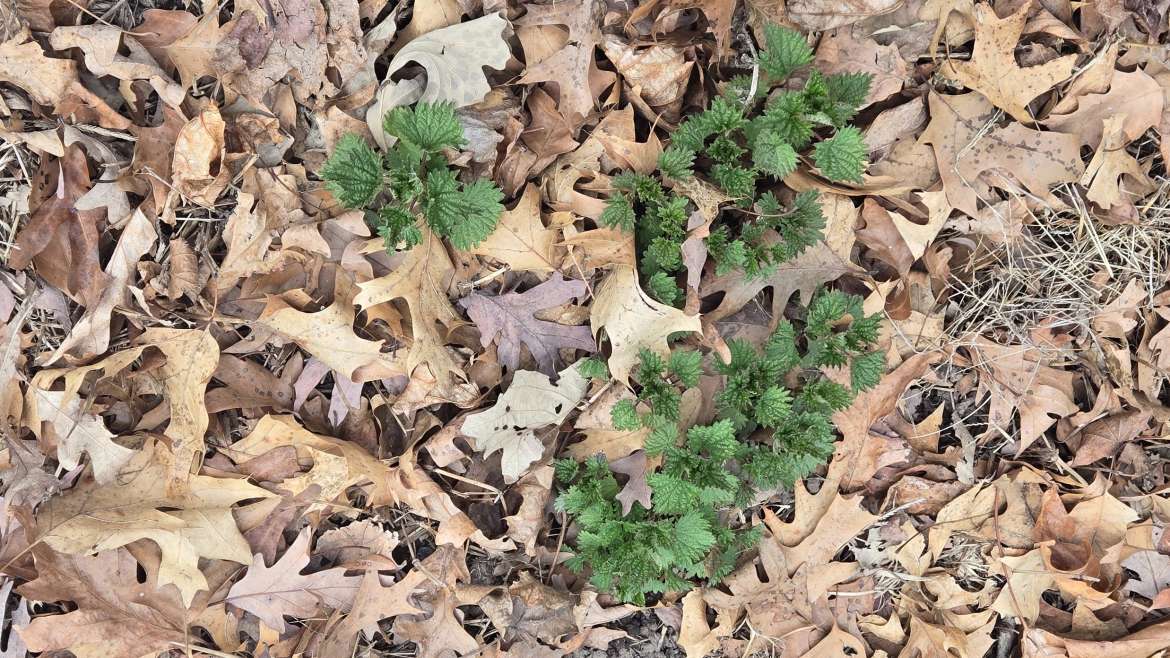
Companion planting is an ancient gardening technique that involves strategically placing different plant species together to promote growth, improve soil health, and even deter pests. Among the many herbs and vegetables that benefit from companion planting,
Lovage stands out for its unique flavor, tall stature, and medicinal properties. Lovage, a perennial herb native to Europe, is often compared to celery due to its similar taste, and it can be used in a variety of culinary dishes, herbal teas, and even traditional medicine. While this herb is quite hardy and relatively easy to grow, it thrives best when paired with the right companions.
In this article, we will dive into the world of companion planting for lovage, including the best companion plants, those to avoid, and tips for successfully growing lovage alongside other garden plants.
Why You Should Consider Companion Planting for Lovage
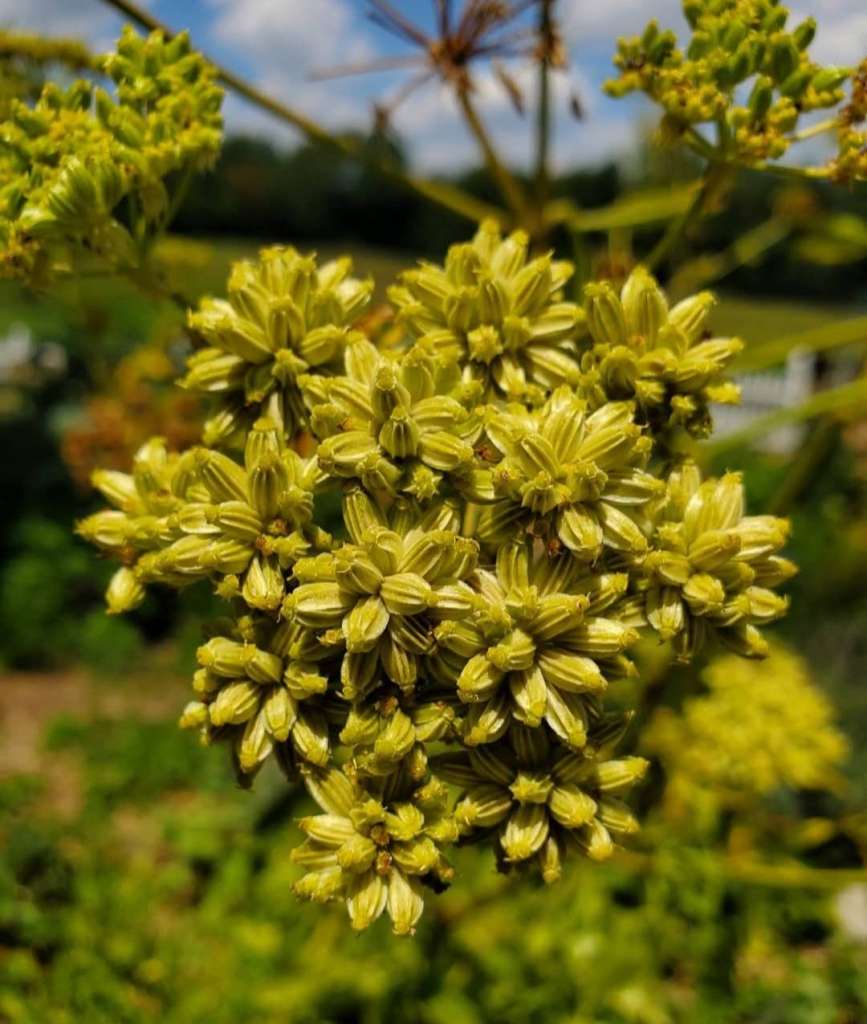
Companion planting isn’t just about aesthetics; it’s a thoughtful approach to creating a balanced ecosystem in your garden. For lovage, companion planting serves several important purposes that contribute to a more productive and healthy garden. Here are a few key reasons why you should consider companion planting for your lovage plants:
1. Pest Control: Lovage has a robust fragrance that can deter certain pests, but when planted with the right companions, it can enhance pest resistance in your garden. Certain plants can naturally repel harmful insects, such as aphids or flea beetles, which may otherwise target your lovage. Additionally, the presence of certain companion plants can attract beneficial insects like ladybugs or predatory beetles, which keep pest populations under control.
2. Improved Growth: Companion plants can help lovage grow stronger and healthier. For example, some plants improve soil quality by fixing nitrogen or providing shade and protection from strong winds. This can be especially helpful in regions with harsher growing conditions. Furthermore, the right combination of companion plants can help create an ideal microclimate for lovage, which thrives in well-drained, moist soil.
3. Better Use of Space: When you strategically plant companion species alongside lovage, you can maximize the use of available garden space. This is especially valuable in smaller gardens or raised beds where space is at a premium. By selecting companions that grow at different heights or have complementary growing habits, you can ensure that your lovage has plenty of room to flourish while other plants occupy different zones.
4. Encouraging Biodiversity: Companion planting encourages biodiversity in the garden, which is essential for maintaining healthy ecosystems. By growing a diverse range of plants, you can create a more resilient garden that is better equipped to handle challenges like pests, diseases, and changing weather conditions. This is beneficial not only for your lovage but for all the plants in your garden.
Now that we’ve established why companion planting is essential for lovage, let’s take a closer look at the best plants to pair with it.
Best Companion Plants for Lovage
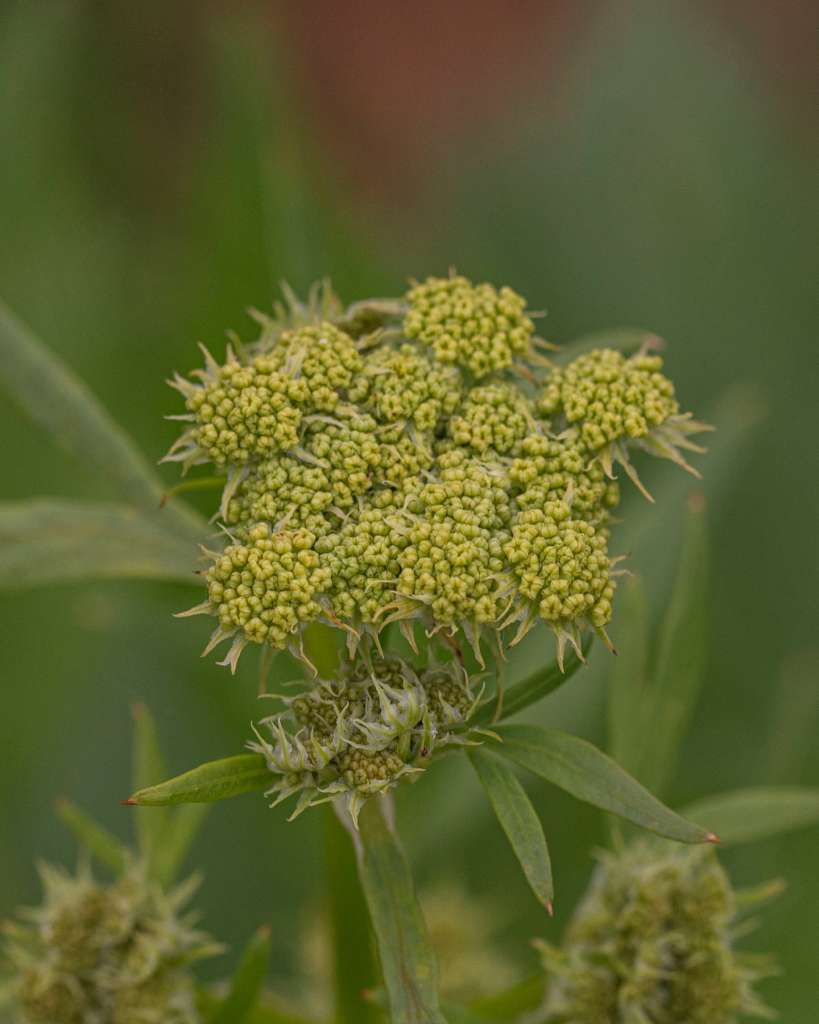
While lovage is a versatile herb, certain plants are particularly well-suited to grow alongside it. Here are some of the best companion plants for lovage:
1. Peas and Beans (Legumes): Lovage benefits from being planted near peas and beans, as these plants are nitrogen fixers. Nitrogen is an essential nutrient for plant growth, and legumes naturally convert nitrogen from the air into a form that plants can use. This creates a mutually beneficial relationship, where lovage receives more nutrients, and the legumes benefit from the moisture and protection that lovage provides. Beans, in particular, can benefit from the shade provided by lovage’s tall growth, while the beans help enrich the soil for future plantings.
2. Carrots: Lovage and carrots make excellent companions because they have different growth habits. Lovage grows tall with a deep root system, while carrots grow relatively low and shallow. This combination allows both plants to access different layers of soil without competing for resources. Additionally, lovage’s strong scent can help deter pests like carrot flies, which commonly target carrot crops. Carrots, in turn, can help loosen the soil around lovage’s roots, promoting better drainage and aeration.
3. Tomatoes: Tomatoes thrive when planted alongside lovage, as the herb can provide them with shade, especially during the hotter summer months. Lovage also has a reputation for repelling certain pests, including aphids, which can affect tomatoes. The combination of lovage’s strong aroma and the natural defense mechanisms of tomatoes makes for a balanced and productive planting duo.
4. Brassicas (Cabbage, Kale, Broccoli, etc.): Brassicas and lovage both enjoy similar growing conditions—moist, well-drained soil and full sun. Moreover, lovage can help deter pests that often target brassica plants, such as cabbage moths and aphids. The tall foliage of lovage can also provide some shade for tender brassica plants, which helps protect them from heat stress during the summer months.
5. Mint: Mint and lovage both thrive in moist, well-drained soil and can create an aromatic, flavorful corner of the garden. However, mint can become invasive, so it’s best to plant it in containers or confined spaces to prevent it from overtaking lovage or other plants. When planted together, the combination can help deter pests such as ants and fleas while also adding a fragrant, herbaceous touch to the garden.
6. Parsley and Chives: These herbs complement lovage both in the garden and the kitchen. Parsley and chives thrive in similar growing conditions to lovage, and their shallow roots do not compete with lovage’s deep roots. Together, they can create a lush and aromatic herb patch. Additionally, chives can help repel aphids, which can be a common pest for lovage, while parsley is a great companion to attract beneficial insects like predatory wasps.
Plants to Avoid Planting Near Lovage
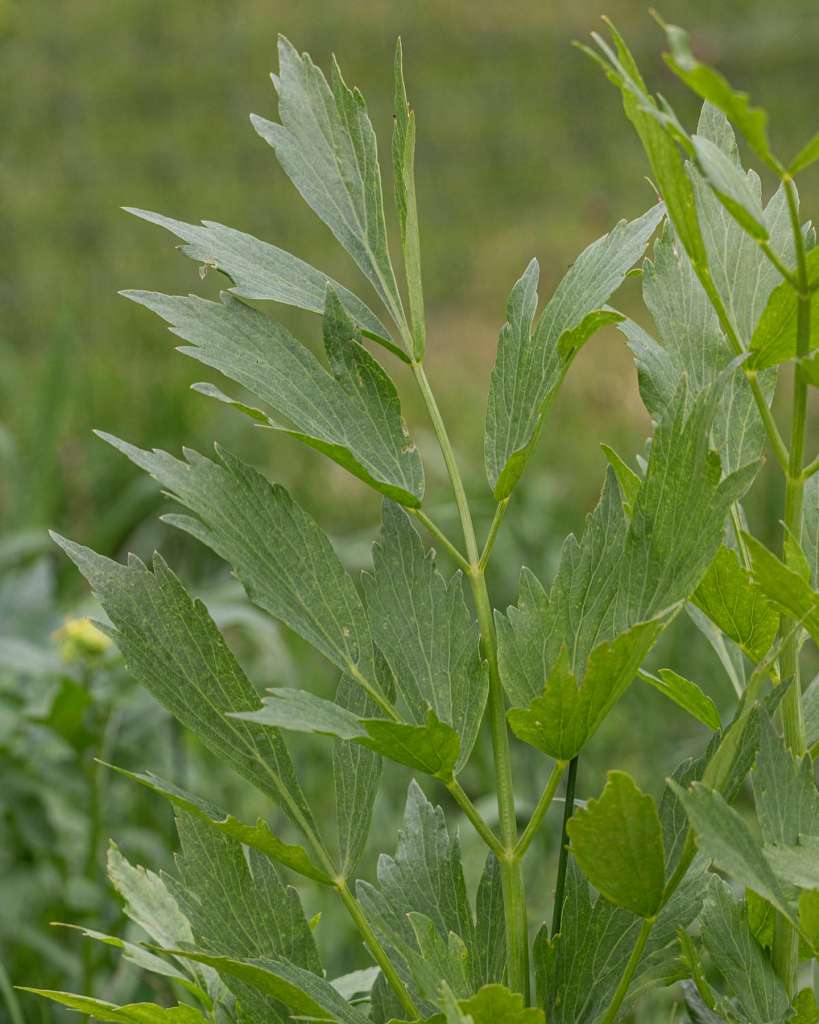
While many plants work well alongside lovage, some do not make good companions and may even hinder its growth. Here are a few plants to avoid planting near lovage:
1. Fennel: Fennel is known to produce compounds that inhibit the growth of certain plants, and lovage is one of them. Fennel can interfere with the development of lovage by releasing allelopathic chemicals into the soil. These chemicals can suppress the growth of neighboring plants, leading to poor growth or even plant death.
2. Potatoes: Potatoes and lovage are both heavy feeders, meaning they require a lot of nutrients from the soil. When planted together, they may compete for resources, leading to stunted growth. Additionally, potatoes are susceptible to the same pests that affect lovage, such as aphids and flea beetles, making them poor companions from a pest control perspective.
3. Celery: While lovage and celery share a similar taste and appearance, they are not ideal companions. Both plants have similar growth requirements, which can lead to competition for water and nutrients. Celery can also attract pests that are known to target lovage, such as the celery leaf miner, so it’s best to keep these two plants apart.
4. Corn: Corn is a tall plant that can shade out smaller plants like lovage, especially if it is planted too close. The tall stalks of corn can prevent lovage from receiving enough sunlight, which can stunt its growth. Additionally, corn and lovage both have shallow roots, which may lead to competition for water and nutrients.
Tips for Growing Companion Plants with Lovage
To get the most out of your companion planting with lovage, consider these essential tips:
1. Space Plants Properly: Even though companion plants help each other thrive, it’s essential to give them enough space to grow. Lovage, for instance, can reach heights of 6 feet or more, so ensure that neighboring plants are spaced appropriately to avoid overcrowding.
2. Rotate Crops: Rotating your companion plants each season can help prevent soil depletion and the buildup of pests or diseases. If you grow lovage in one area, try planting a different companion species the following year to maintain soil health and reduce pest pressure.
3. Use Mulch: Mulching around lovage and its companions can help retain moisture, suppress weeds, and regulate soil temperature. It also creates a favorable environment for beneficial insects to thrive.
4. Water Consistently: Lovage prefers consistent moisture, so ensure that both it and its companions are watered regularly, especially during hot weather. However, avoid over-watering, as lovage does not tolerate soggy soil.
5. Observe and Adapt: Keep an eye on the health of your lovage and its companions. If you notice any signs of stress, such as yellowing leaves or stunted growth, it may be time to adjust your planting arrangements. Companion planting is a flexible practice, and sometimes the best way to learn is by observing how different plants interact.
Conclusion
Companion planting for lovage can greatly enhance the health, growth, and productivity of your garden. By selecting the right companions, such as peas, beans, and carrots, and avoiding problematic plants like fennel and potatoes, you can create a harmonious growing environment.
Not only does companion planting improve pest control and soil fertility, but it also makes the most of available space and encourages biodiversity. With these strategies, your lovage plant will thrive alongside its fellow garden inhabitants, providing you with a bountiful harvest and a more sustainable garden.
Sign up to get our FREE weekly emails
Gardening guides, tips, & videos delivered right to your inbox!


