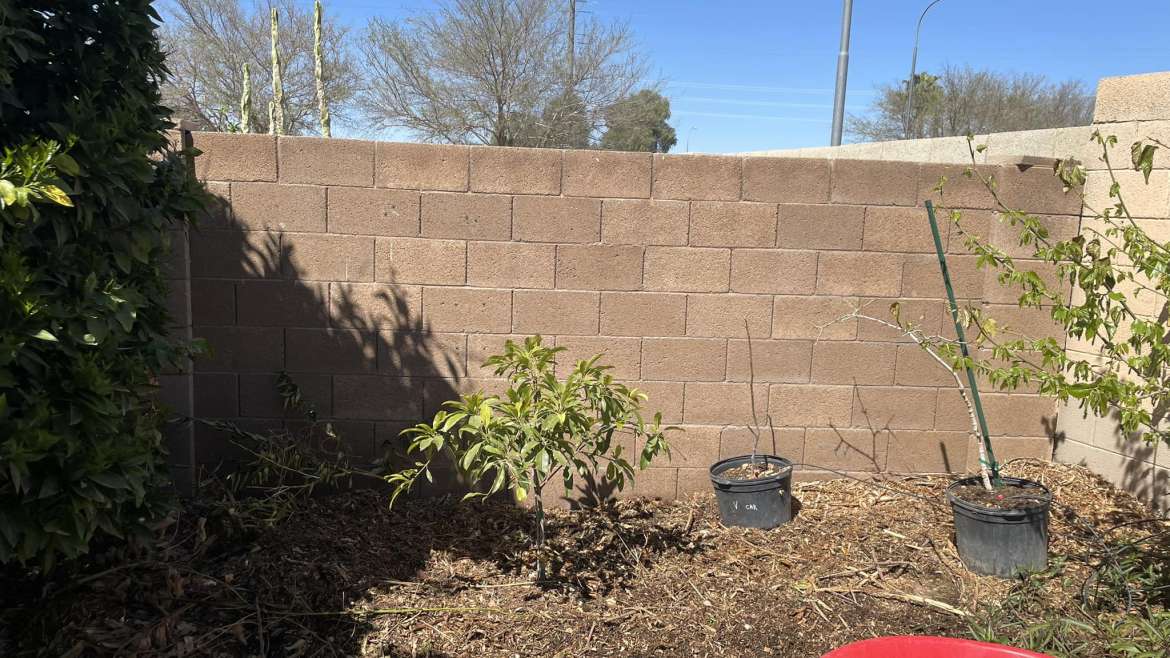
Companion planting for sapote trees can enhance their growth by pairing them with nitrogen-fixing plants like legumes, which improve soil health and support the trees’ development.
Companion planting is a gardening practice that involves pairing certain plants together to promote growth, health, and pest control. By creating harmonious relationships between different species, gardeners can enhance the productivity of their gardens while minimizing the need for chemical interventions.
One tree that can greatly benefit from companion planting is the Sapote tree, a tropical fruit tree native to Central America. This tree produces rich, sweet fruits that are not only delicious but also highly nutritious. However, like all plants, Sapote trees thrive best when planted alongside certain companions that improve their growing conditions.
In this post, we will explore why companion planting is beneficial for Sapote trees, the best plants to pair with them, plants to avoid, and practical tips for integrating companion plants into your Sapote tree garden.
Why You Should Consider Companion Planting for Sapote Trees
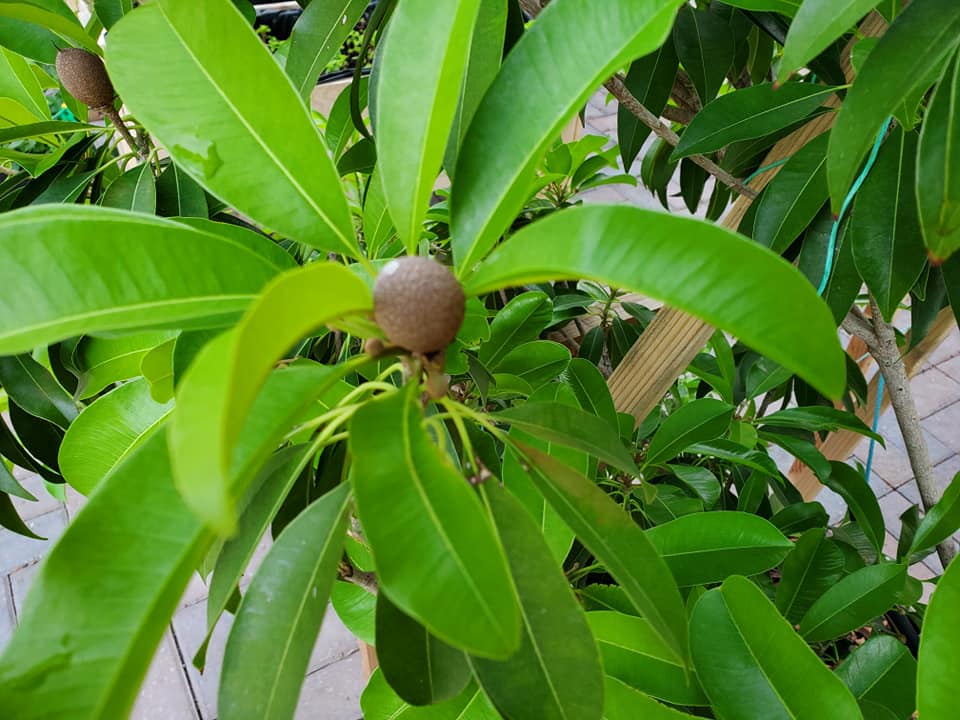
Sapote trees, particularly the white and black varieties, are sensitive to certain environmental factors, such as poor soil quality, pest infestations, and extreme temperature fluctuations.
Companion planting offers a natural solution to these challenges. By selecting the right plants to grow alongside your Sapote tree, you can help create a more resilient and balanced ecosystem within your garden.
One of the primary benefits of companion planting is improved soil health. Some plants, known as “nitrogen fixers,” have the ability to convert atmospheric nitrogen into a form that plants can use. This can be particularly helpful for Sapote trees, which require nutrient-rich soil to grow successfully.
In addition to that, companion plants can provide shade or wind protection, which can be essential for Sapote trees in regions with strong sun or gusty winds.
Companion plants can also serve as natural pest deterrents, helping to protect your Sapote tree from harmful insects that might damage its leaves or fruit.
For example, plants that emit strong fragrances or produce toxic compounds can act as a deterrent to pests such as aphids or scale insects.
Finally, companion planting can promote biodiversity, which contributes to a healthier and more sustainable ecosystem.
By encouraging a variety of plants to grow together, you can create a garden that supports different wildlife species and improves overall soil fertility.
Best Companion Plants for Sapote Trees
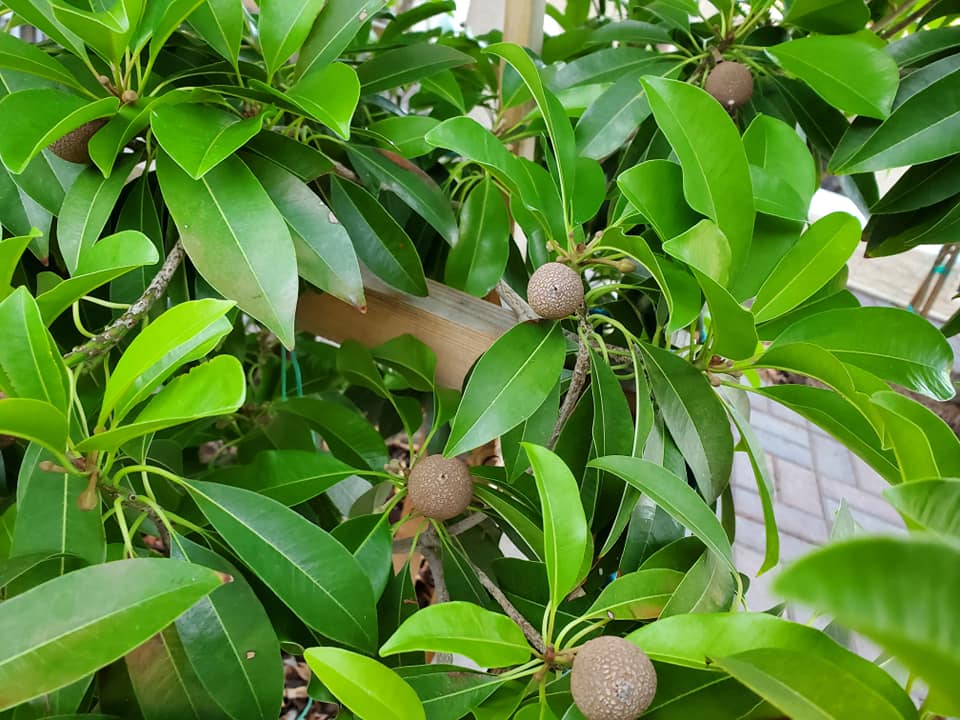
When choosing companion plants for your Sapote tree, it’s essential to consider factors like water requirements, soil preferences, and growth habits. Here are some of the best companion plants that work well with Sapote trees:
1. Legumes (Beans, Peas, and Lupins)
Legumes are among the most beneficial plants for companion planting due to their ability to fix nitrogen in the soil.
This means they can naturally replenish the soil with vital nutrients that Sapote trees require to thrive. Beans, peas, and lupins are great options for companion plants as they improve soil fertility while also providing ground cover that helps reduce soil erosion.
2. Comfrey
Comfrey is a hardy perennial plant known for its ability to draw nutrients from deep within the soil. Its broad leaves can be used as mulch around the base of the Sapote tree to improve soil moisture and prevent weed growth.
Additionally, when the leaves decompose, they release valuable nutrients like potassium and phosphorus, which can help support the growth of the Sapote tree.
3. Marigolds
Marigolds are excellent for pest control, particularly for deterring nematodes and aphids. Their strong scent is unpleasant to many common garden pests, making them a valuable companion for Sapote trees.
Marigolds also attract beneficial insects like ladybugs and bees, which can help pollinate your Sapote tree and control harmful pests naturally.
4. Herbs (Basil, Oregano, and Thyme)
Certain herbs can act as natural pest repellents while also providing culinary benefits. Basil, oregano, and thyme, in particular, are known to deter pests like whiteflies, aphids, and mosquitoes.
These herbs can be planted around the base of your Sapote tree or in containers nearby. In addition to pest control, they can be harvested for cooking, making them a practical and aromatic addition to your garden.
5. Aloe Vera
Aloe Vera is another great companion for Sapote trees due to its drought tolerance and ability to improve soil quality. It thrives in dry conditions, which makes it ideal for gardens with limited water resources.
Aloe Vera also has a low-growing habit, making it a good ground cover plant that helps prevent soil erosion and weeds around your Sapote tree.
6. Tropical Groundcovers (Sweet Potato and Taro)
Tropical groundcovers like sweet potato and taro are excellent choices for planting around Sapote trees. These plants help suppress weeds by covering the soil and providing shade to the roots of the Sapote tree.
Sweet potato, in particular, produces edible tubers, while taro can provide ornamental value with its large, dramatic leaves.
Plants to Avoid Planting Near Sapote Trees

While some plants can provide numerous benefits when planted near Sapote trees, others can create competition for nutrients, attract pests, or disrupt the health of the tree. Here are some plants to avoid:
1. Citrus Trees
Citrus trees, such as oranges, lemons, and grapefruits, should be avoided as companion plants for Sapote trees. Both Sapote and citrus trees have similar soil nutrient requirements, which can lead to competition for resources.
Additionally, citrus trees are prone to similar pests, including aphids and scale insects, which could spread to your Sapote tree.
2. Cabbage Family (Brassicas)
Brassicas, including cabbage, broccoli, and cauliflower, are not ideal companions for Sapote trees. These plants can compete with Sapote trees for space and nutrients, and they may attract pests such as cabbage worms, which can spread to the tree.
Also, brassicas are known to release compounds that inhibit the growth of nearby plants, which could hinder the development of your Sapote tree.
3. Fennel
Fennel is another plant that should be kept away from Sapote trees. While fennel has many beneficial uses in the garden, it can be allelopathic, meaning it releases chemicals that inhibit the growth of nearby plants. This could negatively impact the health of your Sapote tree and stunt its growth.
4. Mint
Mint is an invasive plant that spreads quickly and can become difficult to control. When planted near a Sapote tree, mint can overtake the area, competing for water, nutrients, and space. It’s best to plant mint in containers or raised beds to prevent it from encroaching on your Sapote tree’s space.
5. Nightshades (Tomatoes, Peppers, Potatoes)
Nightshade plants, such as tomatoes, peppers, and potatoes, should be avoided near Sapote trees due to their susceptibility to similar diseases and pests. These plants can attract pests like aphids and spider mites, which can spread to your Sapote tree.
In addition to that, nightshades may deplete the soil of certain nutrients that are essential for the growth of your Sapote tree.
Tips for Growing Companion Plants with Sapote Trees
Successfully incorporating companion plants with your Sapote tree requires careful planning and consideration. Here are some tips to ensure that both your Sapote tree and its companions thrive:
1. Consider Growth Habits
Make sure that the companion plants you choose do not overshadow or outcompete your Sapote tree. Sapote trees can grow quite large, so it’s important to select plants that complement their growth habits rather than compete for sunlight and space.
2. Maintain Proper Spacing
Give your Sapote tree enough space to grow and spread its roots while also providing enough room for the companion plants.
Avoid overcrowding, as this can lead to poor air circulation and encourage the development of fungal diseases. Proper spacing ensures that all plants have access to essential resources such as sunlight, water, and nutrients.
3. Mulch and Water Regularly
Mulching around the base of your Sapote tree and its companion plants helps retain moisture, suppress weeds, and improve soil quality. Make sure to water regularly, particularly during dry periods, to ensure that all plants in the garden have access to enough moisture.
4. Monitor for Pests and Diseases
While companion planting can help deter pests, it’s still important to monitor your Sapote tree and its companions for signs of disease or insect infestations. Early intervention is key to preventing problems from spreading to your Sapote tree.
5. Rotate Companion Plants
If possible, practice crop rotation by changing the location of companion plants each season. This helps prevent soil depletion and reduces the buildup of pests and diseases in the soil.
Conclusion
Companion planting is a powerful tool for enhancing the growth and health of your Sapote tree. By selecting the right plants to pair with your tree, you can improve soil fertility, attract beneficial insects, and reduce the risk of pest infestations.
Regardless if you choose legumes to fix nitrogen in the soil, herbs to repel pests, or groundcovers to reduce soil erosion, companion planting can create a thriving, sustainable garden environment.
However, it’s important to be mindful of the plants that should be avoided, as they can compete for resources or attract harmful pests. By following the tips outlined in this guide, you can create a flourishing garden that supports your Sapote tree and promotes a healthy, balanced ecosystem.
Sign up to get our FREE weekly emails
Gardening guides, tips, & videos delivered right to your inbox!