
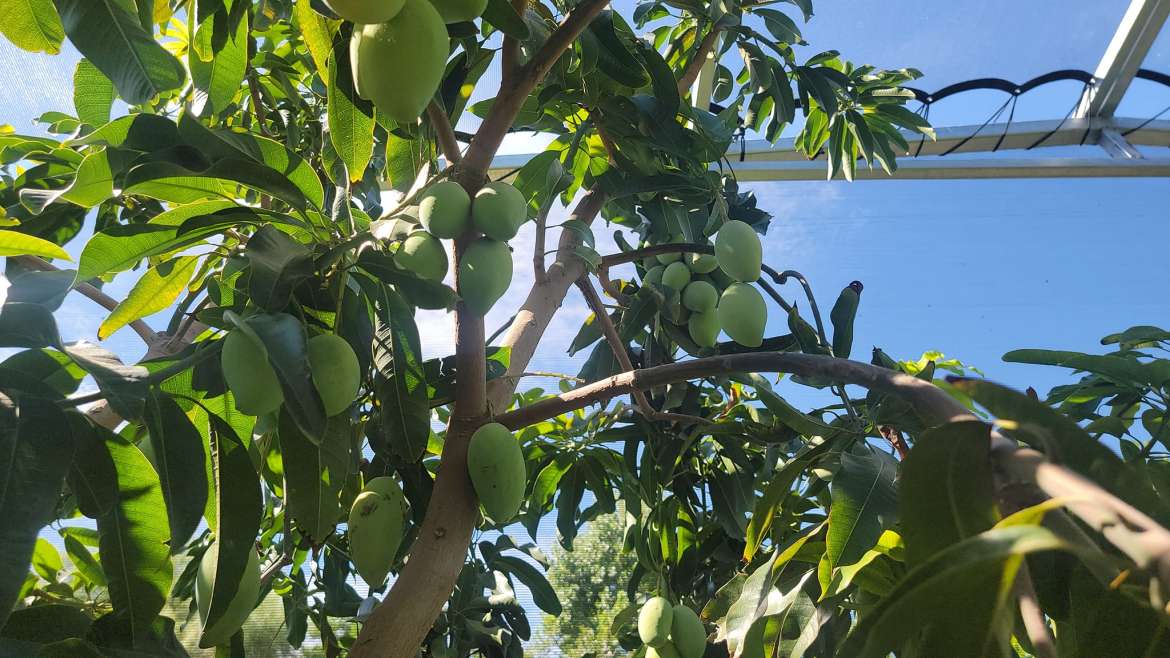
A Taste of the Tropics in Your Backyard
Imagine stepping outside into your backyard and plucking a juicy, ripe mango straight from the tree. Or perhaps you’re sipping on fresh passionfruit juice, made from fruit grown right at home. Growing tropical fruits might seem like a dream, but with the right conditions and care, it’s not as far-fetched as you might think.
Whether you live in a warm climate or have the perfect sunny spot in your garden, there are several tropical fruits that are surprisingly easy to grow. In fact, many of them are low-maintenance and thrive with just a little bit of attention. In this blog post, we’ll explore 10 of the easiest tropical fruits to grow, along with some expert gardening tips to help you get the best results.
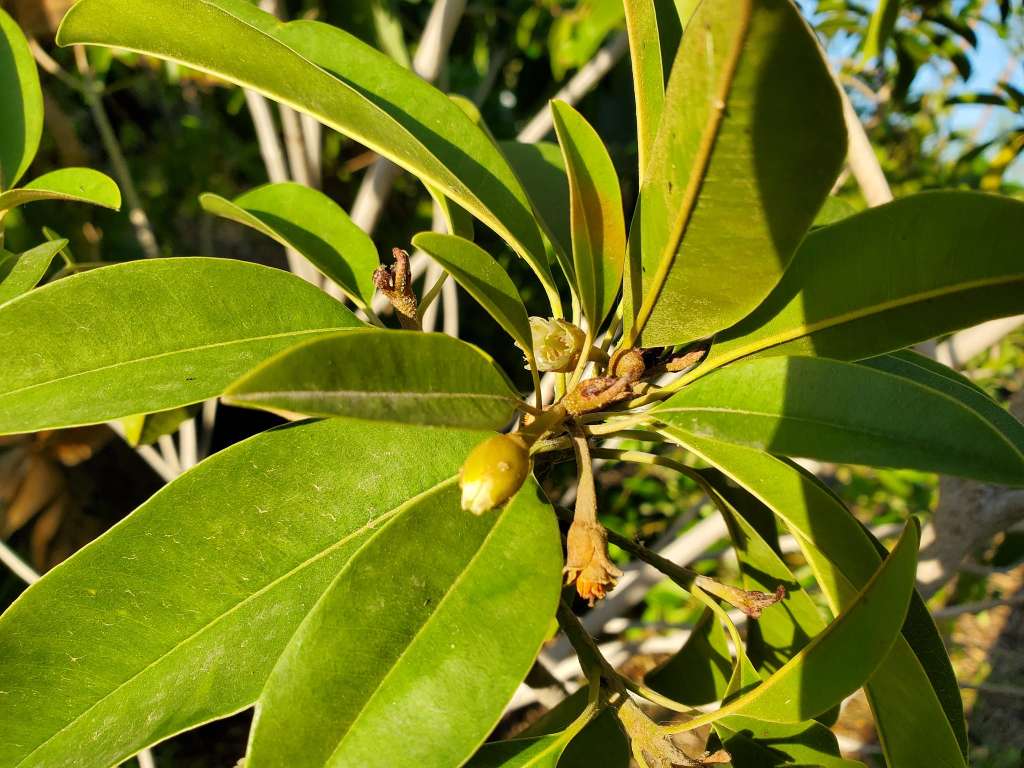
1. Sapodilla: The Sweet, Caramel-Flavored Delight
What Makes It Easy to Grow:
Sapodilla is a tropical fruit that’s beloved for its sweet, caramel-like flavor and grainy texture. It’s a hardy tree that can withstand both droughts and heat, making it perfect for gardens with less-than-ideal conditions.
Growing Tips:
- Climate: Sapodilla thrives in USDA zones 10–11, which means it needs plenty of warmth and sunshine.
- Soil: Well-draining, slightly acidic soil works best. A sandy loam is perfect for this tropical tree.
- Watering: While it’s drought-tolerant once established, regular watering during the first year will help it establish deep roots.
Common Mistakes to Avoid:
- Overwatering can cause root rot, so make sure the soil is well-draining.
- Prune dead or crossing branches to improve airflow and prevent diseases.
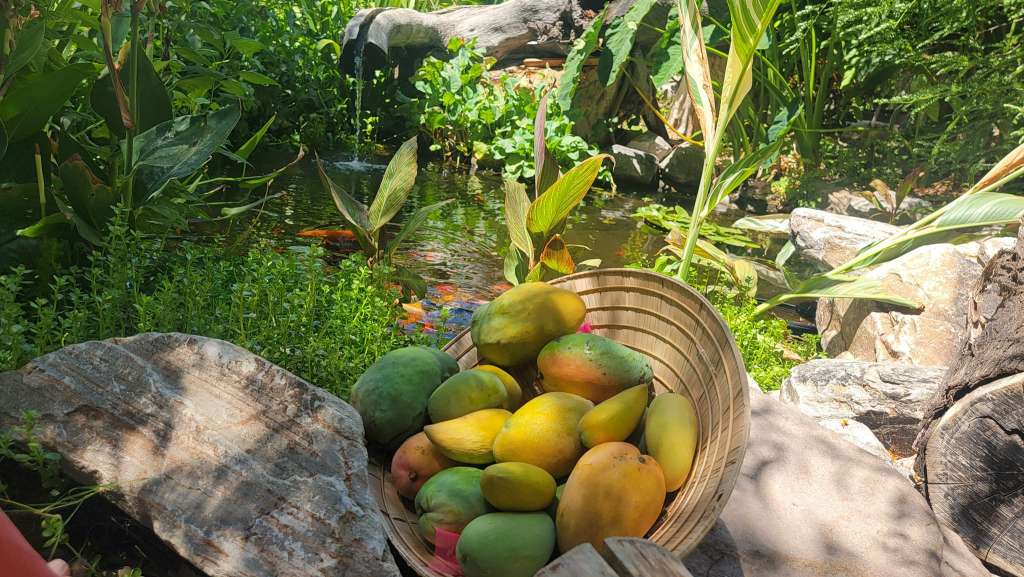
2. Mango: The King of Tropical Fruits
What Makes It Easy to Grow:
Mango trees are a tropical staple, known for their rich, juicy fruit and beautiful, spreading canopy. These trees are surprisingly easy to care for and thrive in hot, sunny climates.
Growing Tips:
- Climate: Mangoes grow best in USDA zones 10–11. They love the sun and need plenty of warmth, especially during the fruiting season.
- Soil: Mango trees prefer slightly acidic, well-draining soil with good organic matter.
- Watering: Mango trees are drought-tolerant once mature, but they do need deep watering during dry spells, especially when the fruit is developing.
Common Mistakes to Avoid:
- Planting too close to buildings or structures—mango trees can grow large, so allow them space to spread.
- Neglecting to prune—pruning helps the tree focus on healthy growth and fruit production.
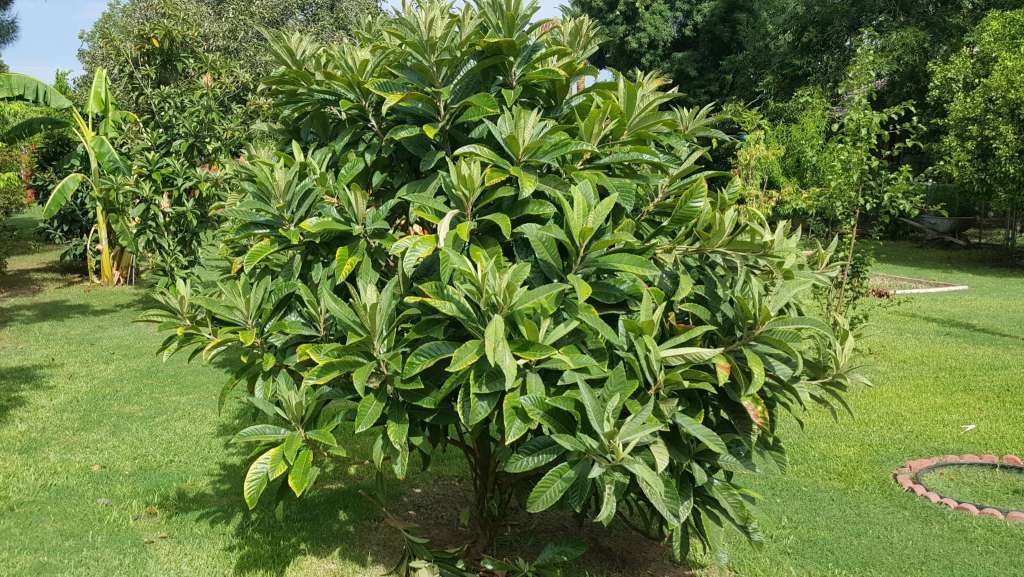
3. Loquat: The Golden Harvest
What Makes It Easy to Grow:
Loquats are small, golden fruits that pack a tangy, sweet punch. These trees grow well in subtropical climates and are relatively low-maintenance compared to other tropical fruits.
Growing Tips:
- Climate: Best suited for USDA zones 8–10, loquats tolerate mild winters and thrive in temperatures ranging from 50°F to 75°F.
- Soil: Loquats prefer slightly acidic, well-draining soil.
- Watering: Water regularly, especially during dry spells, but avoid overwatering.
Common Mistakes to Avoid:
- Loquats need a spot with plenty of sunlight, so don’t plant them in overly shaded areas.
- While loquats are relatively resistant to pests, make sure to watch for aphids and spider mites.
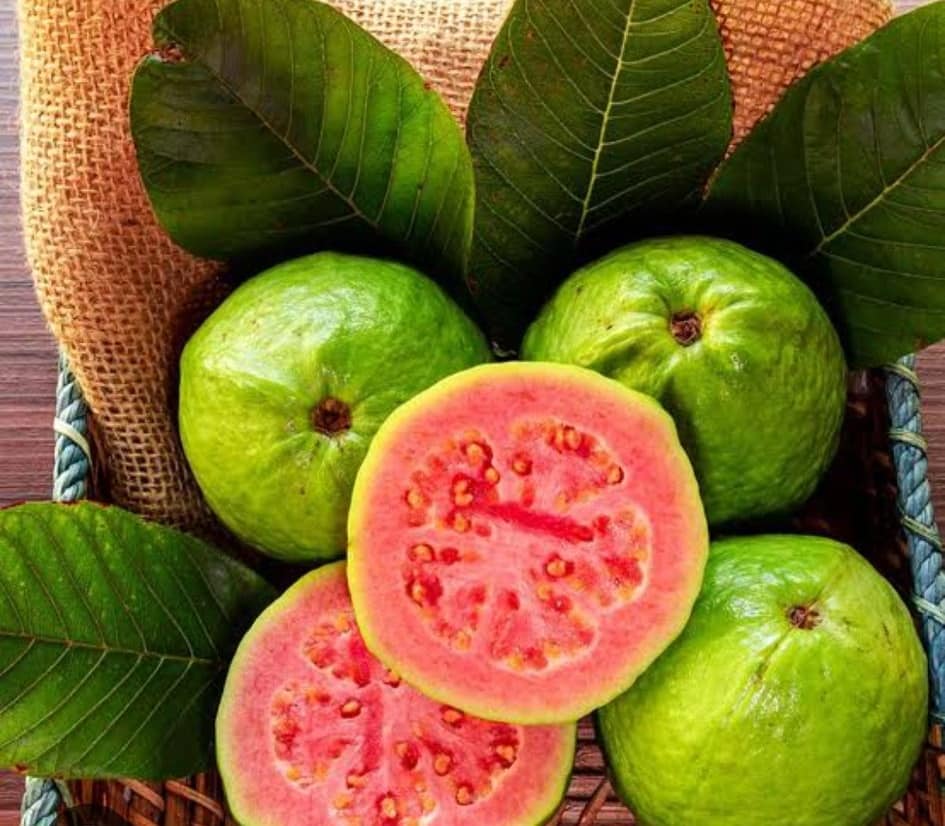
4. Guava: The Refreshing Tropical Fruit
What Makes It Easy to Grow:
Guavas are known for their fragrant, sweet fruit, which can be eaten raw or used in juices, jams, and desserts. Guava trees are fast-growing and can adapt to various soil types, making them a great option for beginner gardeners.
Growing Tips:
- Climate: Guavas thrive in USDA zones 9–11 and require temperatures above 60°F to grow well.
- Soil: Well-draining, sandy or loamy soil is ideal for guavas.
- Watering: Keep the soil consistently moist, but avoid waterlogging.
Common Mistakes to Avoid:
- Guavas can be sensitive to frost, so plant them in frost-free areas or protect them during cold snaps.
- Be cautious with fertilizing—over-fertilization can result in a lot of leaves but few fruits.
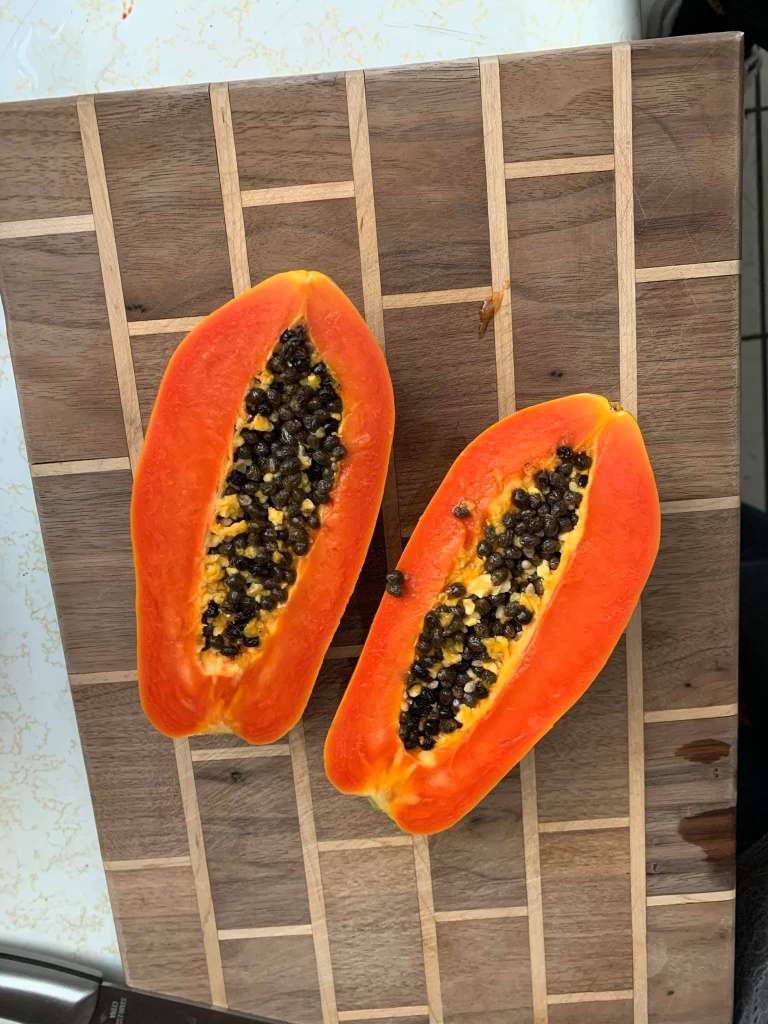
5. Papaya: The Sunshine Fruit
What Makes It Easy to Grow:
Papayas are another tropical delight that grows quickly and yields a ton of fruit. Their sweet, tropical flavor makes them popular in smoothies, desserts, and salads. With the right care, papayas can produce fruit within a year or two of planting.
Growing Tips:
- Climate: Papayas thrive in warm climates, ideally USDA zones 9–11.
- Soil: They prefer slightly acidic, well-draining soil with a good amount of organic matter.
- Watering: Papayas require regular watering, especially in dry periods.
Common Mistakes to Avoid:
- Papayas are sensitive to frost, so plant them in frost-free areas or protect them during cold weather.
- Avoid planting too close to other trees—papayas need space to grow tall.
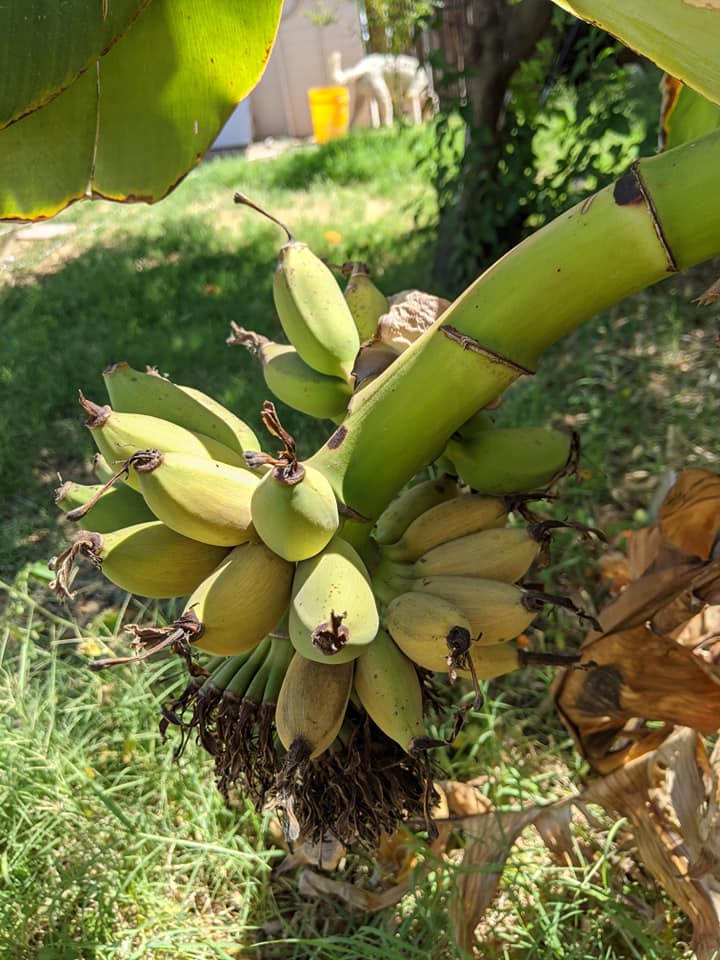
6. Banana: The Tropical Staple
What Makes It Easy to Grow:
Bananas are a must-have for anyone interested in tropical fruits. These plants are relatively low-maintenance and produce fruit quickly. Whether you’re growing them in the ground or in a container, bananas thrive in warm, sunny spots.
Growing Tips:
- Climate: Bananas need a warm climate, ideally USDA zones 9–11.
- Soil: Well-draining, nutrient-rich soil is essential for banana plants to thrive.
- Watering: Bananas need regular watering, but be sure to allow the soil to dry out between waterings.
Common Mistakes to Avoid:
- Overcrowding—banana plants need plenty of space to spread out and grow.
- Neglecting to mulch—mulch helps retain moisture and keeps roots cool.
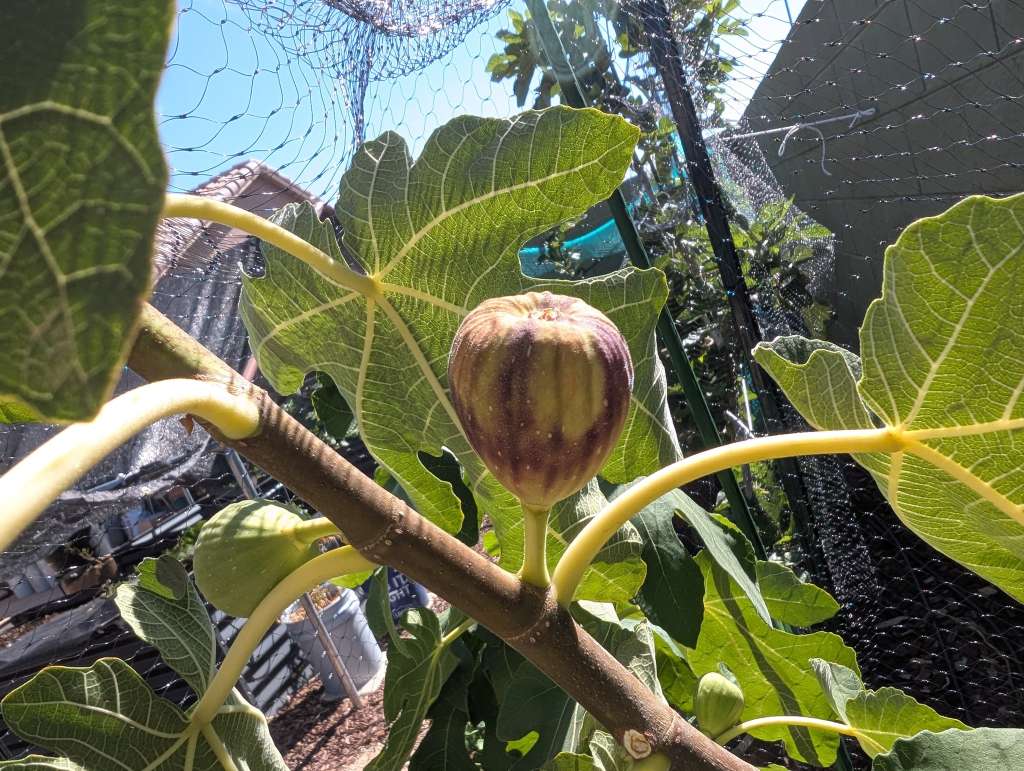
7. Figs: The Sweet Garden Treat
What Makes It Easy to Grow:
Figs are a hardy and low-maintenance fruit tree, well-suited for a variety of climates. They’re particularly great for gardeners with limited space, as they can be grown in containers.
Growing Tips:
- Climate: Figs grow best in USDA zones 8–10. They prefer hot, dry summers and mild winters.
- Soil: Figs like well-draining, slightly alkaline soil.
- Watering: Water regularly, especially when the tree is young, but ensure the soil is well-drained to prevent root rot.
Common Mistakes to Avoid:
- Figs can suffer from fungal diseases if the soil is too moist, so make sure it drains well.
- Over-pruning—fig trees only need light pruning to shape them and remove dead or damaged branches.
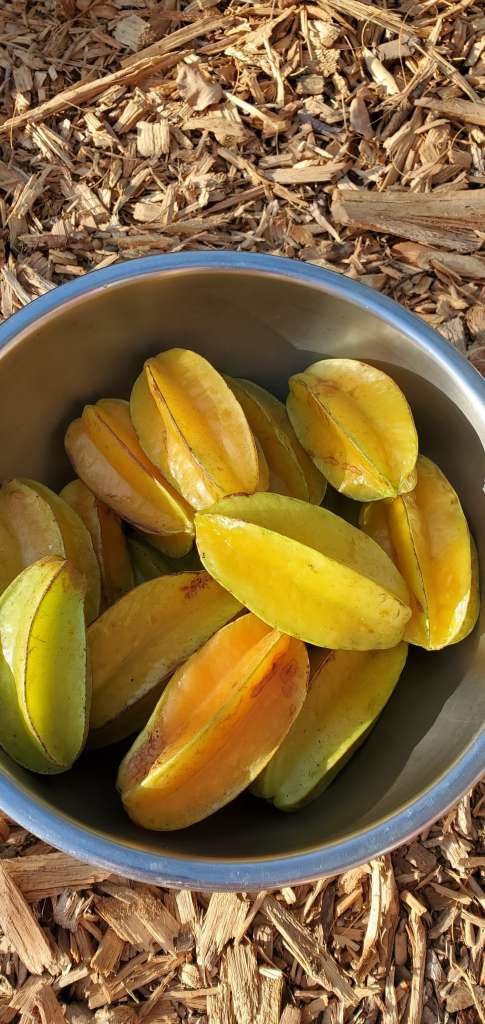
8. Starfruit: The Star of Your Garden
What Makes It Easy to Grow:
Starfruit, also known as carambola, is not only a beautiful fruit but also incredibly easy to grow in the right conditions. Its unique star-shaped slices make it a favorite in salads, salsas, and beverages.
Growing Tips:
- Climate: Starfruit trees grow best in USDA zones 10–11, preferring warm, tropical climates.
- Soil: Well-draining, slightly acidic soil works best.
- Watering: Keep the soil evenly moist, but avoid overwatering.
Common Mistakes to Avoid:
- Starfruit trees need consistent sunlight to produce fruit, so avoid planting them in overly shaded areas.
- Starfruit trees can become too large for smaller spaces, so be mindful of their size.
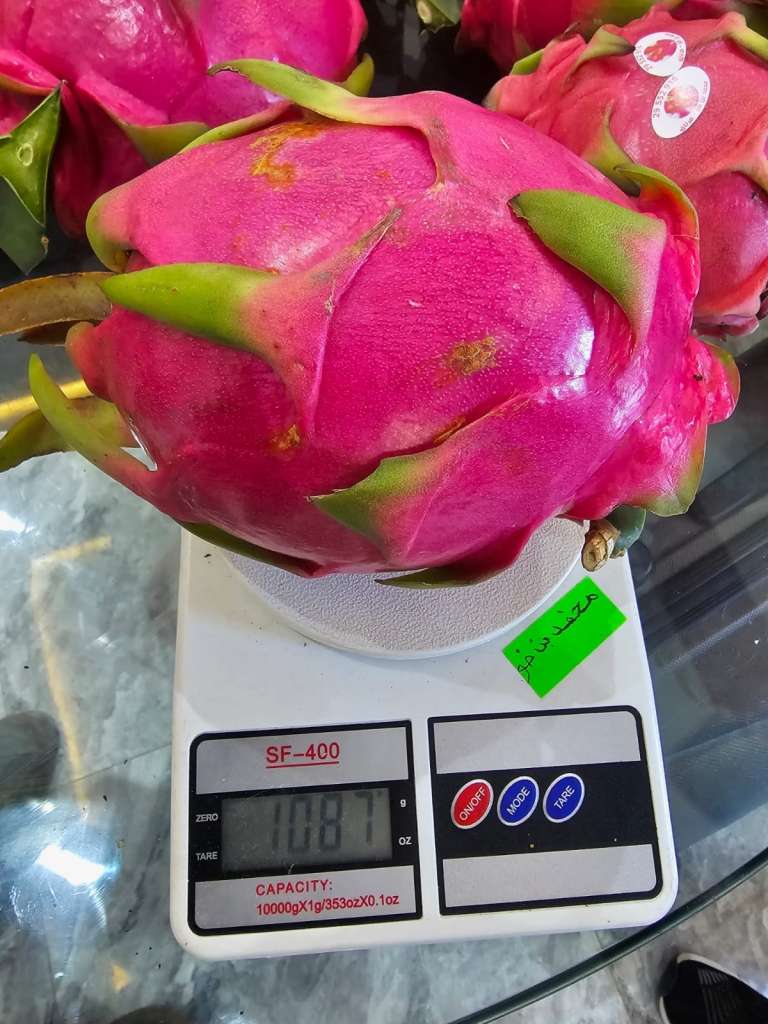
9. Dragon Fruit: The Exotic Beauty
What Makes It Easy to Grow:
Dragon fruit is an eye-catching tropical fruit that’s not only delicious but also relatively easy to grow. It’s a cactus, so it thrives in dry, well-drained soil and requires very little water once established.
Growing Tips:
- Climate: Dragon fruit grows best in USDA zones 10–11, where temperatures are warm year-round.
- Soil: Well-draining, sandy soil is ideal for dragon fruit.
- Watering: Dragon fruit is drought-tolerant, but it needs occasional watering, especially during the fruiting season.
Common Mistakes to Avoid:
- Overwatering—make sure the soil dries out between waterings to avoid root rot.
- Providing insufficient support for the vine—use a trellis to keep the plant upright.
10. Passionfruit: The Tropical Vine with Big Flavor
What Makes It Easy to Grow:
Passionfruit is a vine that produces sweet, tangy fruit, making it a popular choice for gardeners. This vine can grow in a variety of climates, and it often thrives in tropical to subtropical regions.
Growing Tips:
- Climate: Passionfruit grows well in USDA zones 9–11 and loves full sun.
- Soil: Well-draining, slightly acidic soil is ideal.
- Watering: Keep the soil moist, especially during dry spells, but make sure it doesn’t become waterlogged.
Common Mistakes to Avoid:
- Passionfruit vines need support, so be sure to provide a trellis or fence for them to climb.
- Overcrowding—passionfruit vines need space to spread out and grow.
FAQ Section
Bananas, papayas, and figs are great options for small spaces. These fruits don’t require much space and can thrive in containers or smaller plots.
Yes! Many tropical fruits like dragon fruit, passionfruit, and figs can be grown indoors in pots with plenty of sunlight.
It varies by fruit type, but typically, fruit trees like mangoes and papayas can bear fruit within 2–3 years, while others like figs and loquats might take 3–5 years.
Like any plant, tropical fruits are susceptible to pests. Keep an eye out for common pests like aphids, mealybugs, and scale, and use organic treatments if necessary.
Conclusion: Ready to Grow Your Own Tropical Paradise?
Whether you’re dreaming of mangoes or eager to taste the first passionfruit from your own vine, growing tropical fruits is easier than you might think. By following the tips and avoiding common mistakes, you’ll be enjoying these delicious fruits in no time.
So, what tropical fruit are you excited to try growing? Let us know in the comments below or sign up for our newsletter to get more expert gardening tips and tricks delivered straight to your inbox!
Sign up to get our FREE weekly emails
Gardening guides, tips, & videos delivered right to your inbox!


