Roses are the quintessential garden flower, beloved for their beauty, fragrance, and symbolism. However, growing healthy and vibrant roses can be a challenge due to pests, diseases, and soil conditions.
One of the most effective and natural ways to enhance rose health and aesthetics is through companion planting. By strategically selecting and planting companion plants around your roses, you can improve soil conditions, attract beneficial insects, deter pests, and even enhance the growth and bloom of your roses.
In this guide, we’ll explore the benefits of companion planting for roses, the best plants to pair with them, and essential tips to ensure a thriving rose garden.
Why You Should Consider Companion Planting for Roses
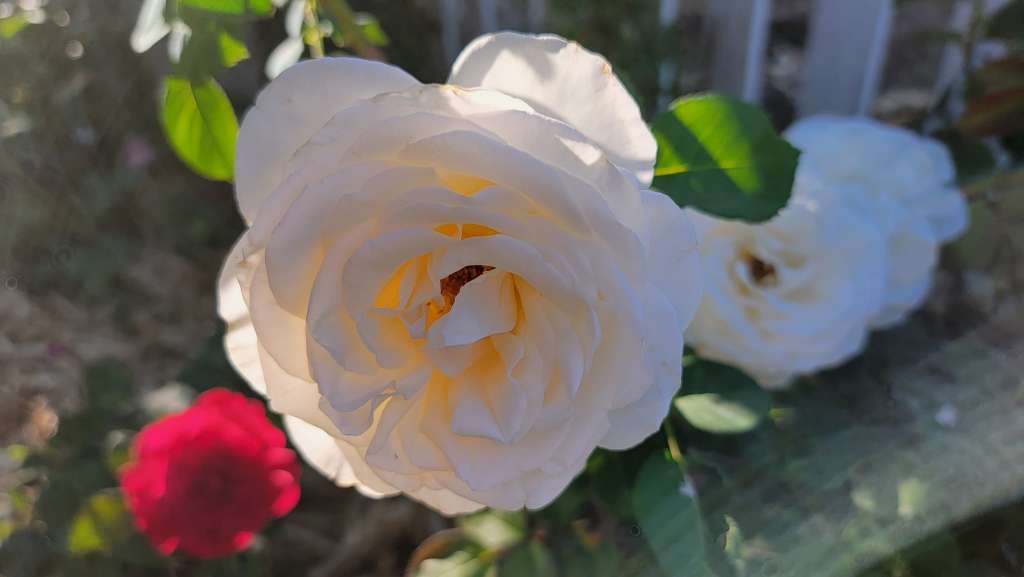
Companion planting is the practice of growing different plants together for mutual benefit. Roses, while stunning, can be susceptible to various issues, such as fungal diseases, aphid infestations, and nutrient deficiencies.
Companion plants can help mitigate these problems while also adding visual diversity and fragrance to your garden.
1. Natural Pest Control
Roses attract common pests like aphids, thrips, and spider mites. Instead of resorting to chemical pesticides, you can introduce companion plants that either repel harmful insects or attract beneficial ones. Plants like garlic and chives deter aphids, while marigolds and lavender attract predatory insects such as ladybugs and lacewings that feed on aphids and other pests.
2. Disease Prevention
Roses are prone to fungal diseases such as black spot and powdery mildew. Proper air circulation and the presence of certain companion plants can help reduce the risk of infections. For example, garlic has antifungal properties that can help prevent disease in roses, while yarrow improves air circulation and attracts pollinators.
3. Improved Soil Health
Certain companion plants help enrich the soil by fixing nitrogen, adding organic matter, or suppressing weeds. Leguminous plants like sweet peas and clover help restore nitrogen levels in the soil, which is beneficial for rose growth. Additionally, ground covers like creeping thyme help retain moisture and suppress weeds that might compete with roses for nutrients.
4. Aesthetic and Fragrance Benefits
A rose garden is not just about roses! Companion plants can enhance the beauty of your garden by adding texture, color, and fragrance. The contrast between roses and herbs like lavender or flowers like foxgloves creates a visually stunning garden while also attracting pollinators.
Best Companion Plants for Roses
Choosing the right companion plants is crucial for maintaining a harmonious and healthy rose garden. Below are some of the best options:
1. Herbs
- Lavender – Repels aphids and provides a striking visual contrast with roses.
- Garlic & Chives – Deters aphids and helps prevent fungal diseases.
- Basil – Enhances the fragrance of roses and repels pests.
- Thyme – Acts as a ground cover and repels harmful insects.
- Sage – Deters pests while attracting pollinators.
2. Flowers
- Marigolds – Known for their ability to repel nematodes and aphids, making them a great natural pest deterrent.
- Geraniums – Attract beneficial insects and help keep Japanese beetles away.
- Foxgloves – Create vertical interest in the garden while attracting pollinators.
- Yarrow – Improves soil health and attracts bees and butterflies.
3. Vegetables & Other Plants
- Alliums (Onions, Leeks, Shallots) – Contain sulfur compounds that help prevent disease.
- Sweet Peas – Fix nitrogen in the soil, promoting healthy rose growth.
- Nasturtiums – Attract aphids away from roses, acting as a sacrificial plant.
- Clover – Enhances soil fertility by fixing nitrogen and acting as a living mulch.
Tips for Growing Companion Plants with Roses
Successfully incorporating companion plants into your rose garden requires careful planning and maintenance. Here are some key tips to ensure a thriving, well-balanced garden:
1. Consider Spacing and Growth Habits
When planting companions, consider their growth habits and spacing requirements. Avoid planting aggressive spreaders too close to roses, as they may compete for nutrients and water. Ensure there’s enough airflow around roses to prevent fungal diseases.
2. Choose Plants with Similar Sun and Water Needs
Roses thrive in full sun and well-drained soil, so select companion plants that have similar growing requirements. Plants like lavender, sage, and thyme prefer sunny conditions and well-drained soil, making them perfect rose companions.
3. Use Companion Plants to Enhance Soil Health
Incorporate nitrogen-fixing plants like sweet peas or clover to improve soil fertility. Additionally, mulch with organic materials like chopped leaves or compost to maintain soil moisture and reduce weed growth.
4. Encourage Beneficial Insects
Grow plants that attract pollinators and predatory insects. Marigolds, yarrow, and geraniums help attract ladybugs, hoverflies, and lacewings, which naturally keep pest populations in check.
5. Rotate Companion Plants Seasonally
Some companion plants are best suited for different seasons. For example, plant garlic in the fall to deter pests throughout the winter and early spring, and swap in basil and marigolds during the summer months for continued protection.
6. Avoid Harmful Companions
Not all plants make good neighbors for roses. Avoid planting plants that require excessive shade or moisture, such as ferns and hostas, as they may compete with roses for nutrients and space. Similarly, avoid overly aggressive ground covers that might overtake rose roots.
7. Observe and Adjust
Every garden is unique, and companion planting requires some experimentation. Monitor plant health, pest activity, and soil conditions, and adjust your planting choices accordingly. Some plants may perform better in certain climates or conditions than others.
Conclusion
Companion planting is a time-tested, natural method to enhance the health, beauty, and resilience of your rose garden. By carefully selecting beneficial plants, you can deter pests, enrich the soil, and create a more diverse and vibrant landscape.
Whether you choose fragrant herbs, colorful flowers, or nitrogen-fixing plants, companion planting can help you grow healthier roses with minimal effort. With a bit of planning and observation, you can enjoy a stunning rose garden that thrives in harmony with its companions.
Sign up to get our FREE weekly emails
Gardening guides, tips, & videos delivered right to your inbox!