
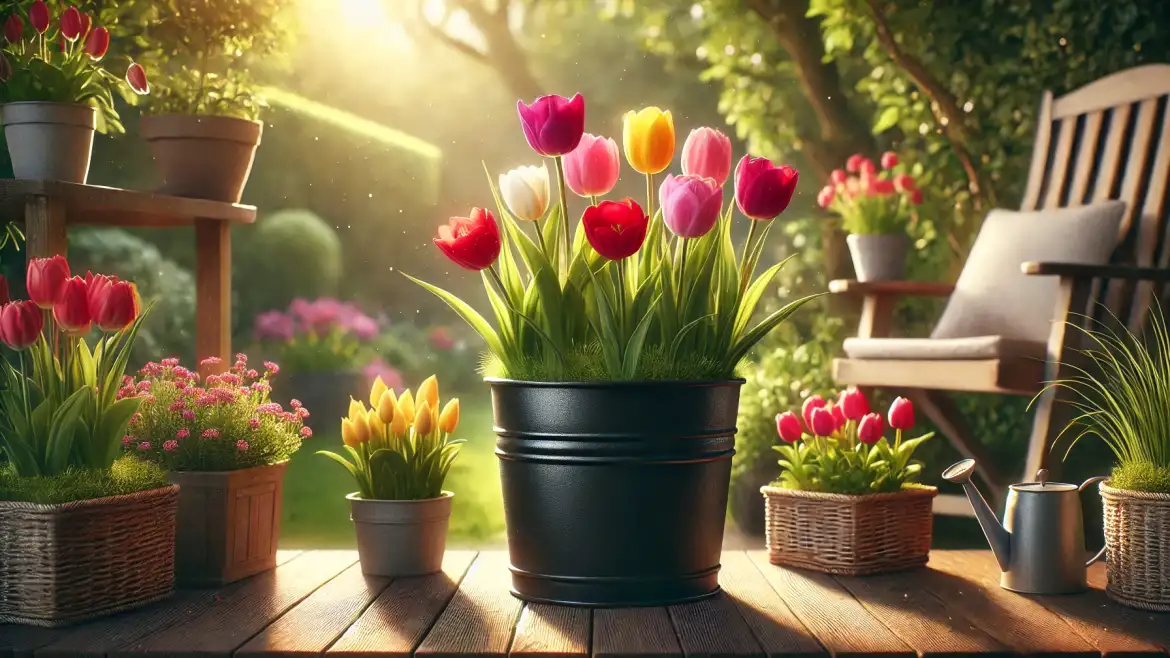
Growing tulips in pots offers remarkable flexibility and control, making it an ideal option for gardeners with limited space or variable climates. Potted tulips can be placed on balconies, patios, or indoors near sunny windows, adding a vibrant splash of color wherever desired.
This approach allows gardeners to customize soil conditions and drainage, ensuring the bulbs thrive without concerns about garden pests or poor ground soil quality. Additionally, moving pots indoors during extreme weather or to showcase blooms allows gardeners to extend the enjoyment of these stunning flowers.
Another significant benefit is the ability to experiment with creative arrangements and staggered planting schedules. By planting tulip bulbs in layers or mixing them with complementary flowers, gardeners can achieve a longer-lasting display of color and variety.
Pots also make bulb care more manageable, as they are easier to inspect, water, and protect during dormancy periods. Moreover, at the end of the blooming season, gardeners can replace tulips with other seasonal plants, ensuring their pots remain decorative and functional year-round.
Growing Tulips in a Pot

Tulips are one of the most beloved spring flowers, known for their vibrant colors and elegant shapes. Growing tulips in pots is a great way to brighten patios, balconies, or even indoor spaces. This guide will walk you through the process of successfully cultivating tulips in pots, from selecting the right bulbs to ensuring a glorious bloom.
1. Choosing the Right Tulip Bulbs
- Bulb Selection: Select healthy, large tulip bulbs (8-12 cm circumference or larger). Healthy bulbs feel firm and are free of mold or soft spots.
- Tulip Varieties: Opt for shorter tulip varieties like Greigii, Kaufmanniana, or species tulips, as these perform well in pots. Taller varieties can also be grown but may require additional support.
- Purchase Timing: Buy bulbs early in the fall for the best selection and plant them promptly.
2. Selecting the Right Pot
- Material: Use terracotta, ceramic, or plastic pots with good drainage holes at the bottom.
- Size: The pot should be at least 8-10 inches deep and wide enough to accommodate the bulbs with about 1-2 inches of space between them.
- Drainage: Proper drainage is essential to prevent waterlogging, which can cause bulbs to rot.
3. Preparing the Soil
- Soil Mix: Use well-draining potting soil. Mix in sand or perlite to improve drainage if needed.
- Fertilizer: Incorporate a slow-release, bulb-specific fertilizer or add compost to provide essential nutrients.
- pH Levels: Tulips prefer slightly acidic to neutral soil (pH 6.0-7.0).
4. Planting the Bulbs
- Timing: Plant tulip bulbs in the fall, 6-8 weeks before the first hard frost.
- Depth: Place the bulbs pointed end up, about 6 inches deep (three times the height of the bulb).
- Spacing: Space the bulbs 1-2 inches apart for a fuller display.
- Layering (Optional): For a continuous bloom, layer bulbs of different bloom times in the same pot. Place later-blooming bulbs deeper and earlier-blooming ones closer to the surface.
- Covering: Cover the bulbs with soil and lightly tamp down to remove air pockets.
5. Watering and Winter Care
- Initial Watering: Water the pot thoroughly after planting to help settle the soil.
- Ongoing Watering: Keep the soil slightly moist but not waterlogged. Avoid overwatering during dormancy.
- Winter Protection:
- Outdoor Storage: If storing outdoors in a cold climate, place the pots in a sheltered area and wrap them with bubble wrap or burlap for insulation.
- Indoor Storage: Store pots in a cool, dark place such as a garage or unheated basement where temperatures stay between 35-50°F (2-10°C).
6. Encouraging Growth and Blooms
- Sunlight: Once the shoots emerge, place the pots in a sunny location (6+ hours of sunlight daily).
- Fertilizer: Apply liquid fertilizer every two weeks once growth starts.
- Temperature: Tulips prefer cool temperatures; avoid placing pots in excessively warm areas during blooming.
7. Post-Bloom Care
- Deadheading: Remove spent blooms to prevent the plant from diverting energy into seed production.
- Foliage: Allow the leaves to yellow and wither naturally, as this process replenishes the bulb’s energy reserves for the next season.
- Bulb Storage: After the foliage dies back, dig up the bulbs, clean off soil, and store them in a cool, dry place if you wish to reuse them.
8. Troubleshooting Common Issues
- Bulbs Rotting: Ensure proper drainage and avoid overwatering.
- Weak or No Blooms: This could be due to insufficient chilling, overcrowding, or depleted nutrients.
- Pests: Watch for signs of pests like aphids and treat promptly with insecticidal soap or neem oil.
9. Tips for Stunning Displays
- Companion Plants: Pair tulips with pansies, violas, or ivy for added texture and color.
- Color Coordination: Group tulips in single-color blocks or create eye-catching combinations.
- Multiple Pots: Use a variety of pot sizes and styles to create a layered garden effect.
FAQs
Yes, tulips grow well in pots as long as the pot has good drainage and the bulbs are planted at the proper depth.
Tulips in pots may not come back every year with the same vigor, as container conditions can stress the bulbs, but replanting them in a garden may help them recover for future blooms.
After potted tulips bloom, remove the spent flowers, allow the foliage to die back naturally, then either plant the bulbs in the garden or discard them if reusing them isn’t viable.
Plant tulip bulbs in pots during the fall, about 6–8 weeks before the first frost. This allows the bulbs to establish roots before winter.
Tulips look best when planted closely together. You can plant bulbs almost touching, but ensure they don’t physically press against each other to allow for some air circulation.
Tulips thrive in full sunlight. Place the containers in a spot that gets at least 6 hours of direct sunlight daily.
If left outside, place containers in a sheltered area to protect them from excessive freezing. Alternatively, bury the pots in the ground or move them into an unheated garage or shed.
Yes, tulips can be paired with other spring-blooming bulbs or low-growing annuals like pansies or violas for a layered effect. Ensure companion plants have similar sunlight and water needs.
Potted tulips typically last 1–2 weeks in bloom indoors, depending on care and environmental conditions.
Sign up to get our FREE weekly emails
Gardening guides, tips, & videos delivered right to your inbox!


