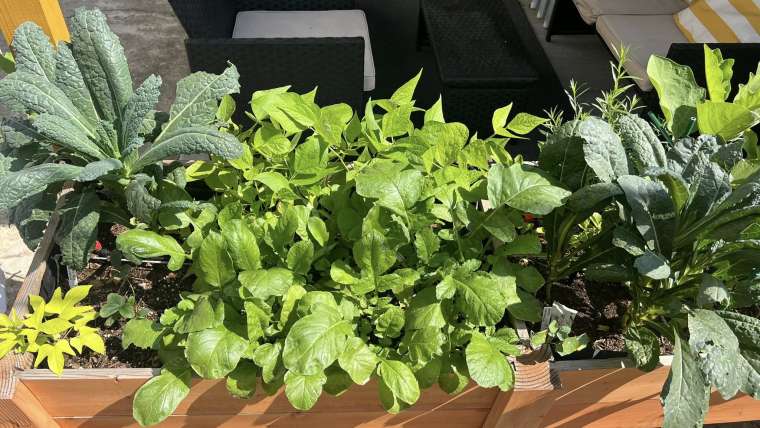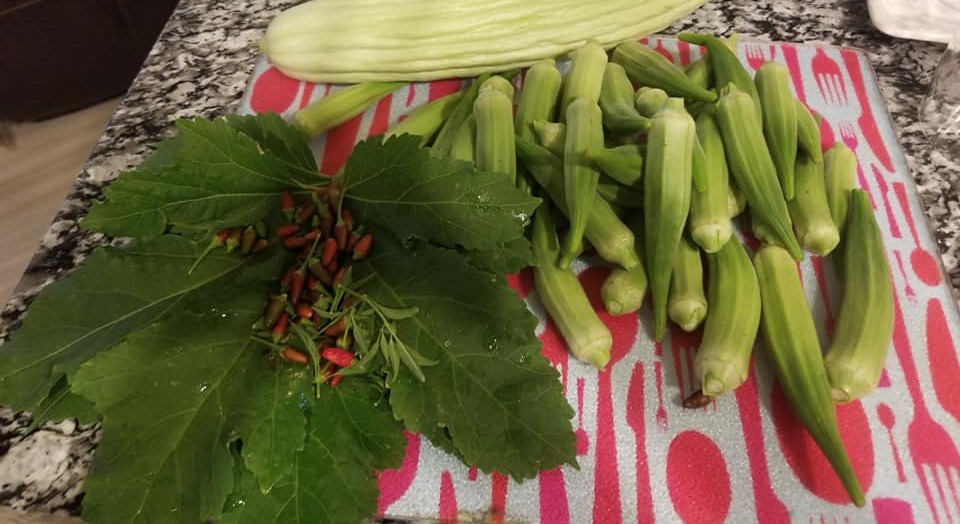
Growing okra in pots offers several benefits, particularly for those with limited gardening space or challenging soil conditions. Container gardening allows you to control the soil quality, ensuring optimal conditions for okra growth, and makes it easier to manage pests and diseases.

Pots are portable, enabling you to position the plants in the best sunlight throughout the day or move them indoors in unfavorable weather. This method also reduces weed competition and simplifies watering and fertilizing. Additionally, okra plants are visually appealing, adding greenery to patios or balconies while providing fresh, homegrown produce.
Growing Okra in a Pot

Growing okra in pots is an excellent way to cultivate this versatile vegetable, especially if you have limited garden space. Okra thrives in warm climates and can yield a bountiful harvest when grown in containers with proper care. Check out our step-by-step guide.
1. Choosing the Right Variety
Select an okra variety suited for container gardening. Some compact and productive varieties include:
- Clemson Spineless
- Jambalaya
- Baby Bubba Hybrid
- Emerald Okra
These varieties are shorter and more manageable in pots.
2. Preparing the Pot
- Size: Use a pot with a capacity of at least 3-5 gallons (12-14 inches in diameter and depth). Larger pots allow for better root growth.
- Material: Plastic, terracotta, or ceramic pots work well, but ensure they have good drainage holes.
- Drainage: Add a layer of pebbles or small stones at the bottom to improve drainage.
3. Selecting the Soil
- Use well-draining, nutrient-rich soil.
- Mix one part garden soil, one part compost, and one part sand or perlite.
- The soil should be slightly acidic to neutral (pH 6.0–7.5).
4. Planting Seeds
- Soak seeds overnight to improve germination rates.
- Fill the pot with prepared soil, leaving about 2 inches of space from the rim.
- Sow seeds 1 inch deep and 4-6 inches apart if planting multiple seeds in a large container.
- Cover with soil and water gently.
5. Providing Ideal Growing Conditions
- Sunlight: Okra needs 6-8 hours of full sunlight daily. Place the pot in a sunny spot like a balcony or patio.
- Temperature: Maintain temperatures between 70°F and 95°F (21°C–35°C).
- Watering: Water thoroughly when the top inch of soil feels dry. Avoid waterlogging, as it can cause root rot.
6. Fertilizing and Supporting the Plants
- Use a balanced fertilizer like 10-10-10 during planting.
- Feed with a liquid fertilizer or compost tea every 2-3 weeks.
- Once flowering begins, switch to a phosphorus-rich fertilizer to encourage fruiting.
- Okra can grow tall, so provide stakes or cages to support the plant if needed.
- Tie the plant gently to the support structure to avoid breaking stems.
7. Pest and Disease Management
- Common Pests: Aphids, flea beetles, and spider mites. Use insecticidal soap or neem oil to treat infestations.
- Diseases: Watch for powdery mildew or root rot. Ensure good air circulation and avoid overwatering.
- Natural Remedies: Introduce companion plants like marigolds or basil to deter pests.
8. Pruning and Maintenance
- Remove yellow or damaged leaves to promote healthy growth.
- Regularly check for pests and prune any overcrowded branches to improve airflow.
9. Harvesting Okra
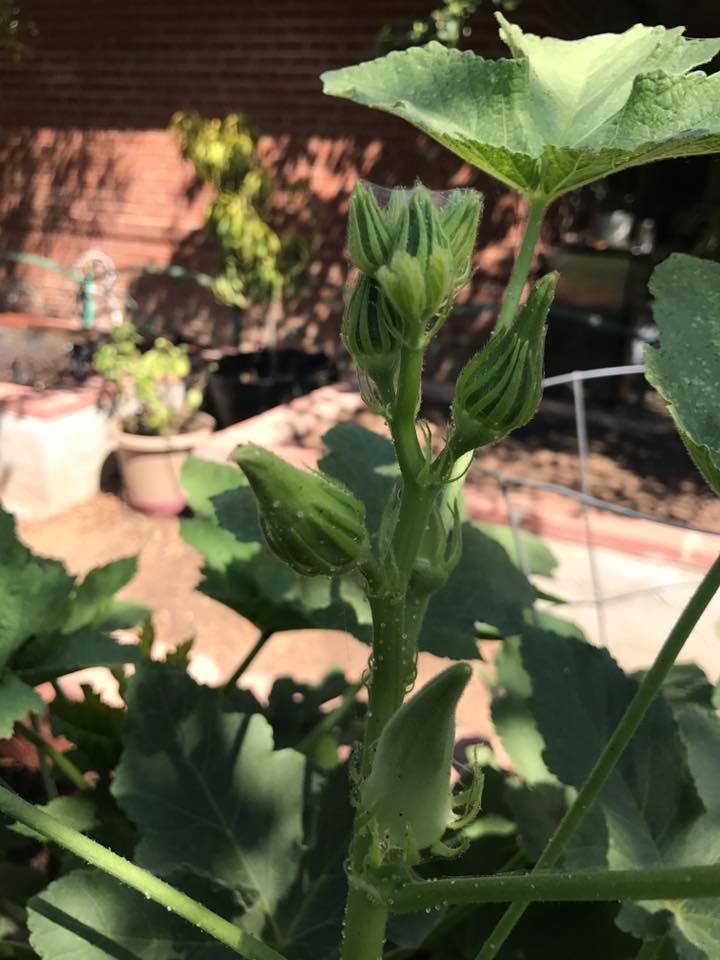
- Okra pods are ready for harvest 50-60 days after planting.
- Harvest pods when they are 2-4 inches long to avoid them becoming tough and woody.
- Use pruning shears or a sharp knife to cut pods, leaving a small portion of the stem attached.
10. Tips for Continuous Harvest
- Regularly harvest pods to encourage the plant to produce more.
- With proper care, okra plants can continue yielding for several weeks.
11. Overwintering and Saving Seeds
- In regions with frost, okra will not survive the winter. Consider replanting in the next growing season.
- To save seeds, allow a few pods to fully mature and dry on the plant. Harvest, shell, and store seeds in a cool, dry place.
FAQs
Yes, okra can be successfully grown in pots as long as the pots are large enough and provide adequate drainage and sunlight.
Water your okra plants deeply but allow the top inch of soil to dry out between waterings. During hot weather, you may need to water daily.
Okra takes about 50-60 days from planting to produce harvestable pods, depending on the variety.
Okra plants can grow tall (up to 4-6 feet), so use a stake or small trellis to support them and prevent tipping over.
Pruning is not essential, but you can trim lower leaves to improve air circulation and remove any diseased or damaged leaves.
Yes, allow some pods to mature and dry on the plant. Harvest the seeds once the pods are fully dry and store them in a cool, dry place.
Sign up to get our FREE weekly emails
Gardening guides, tips, & videos delivered right to your inbox!