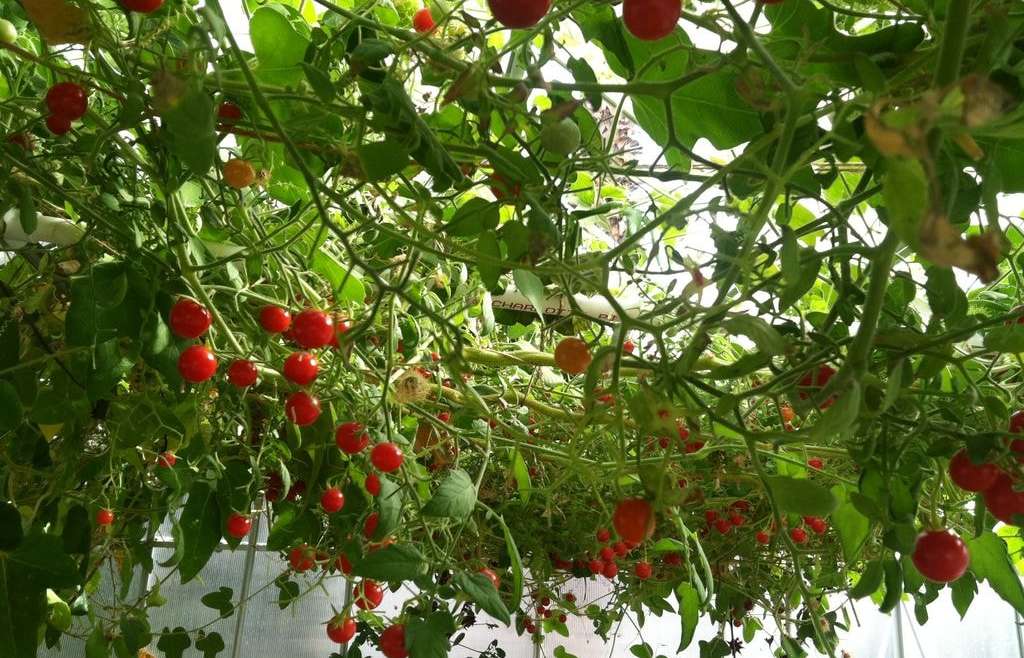
Looking to grow juicy cherry tomatoes in a pot? Look no further! This comprehensive guide will equip you with all the knowledge and tips you need to master the art of growing these delectable fruits. Whether you’re a seasoned gardener or a complete beginner, this guide is designed to help you achieve bountiful harvests of plump, flavorful cherry tomatoes right from your own backyard.

With step-by-step instructions, we’ll walk you through the entire process from selecting the right pot and soil to caring for your tomato plants and troubleshooting common issues. You’ll learn about the best varieties for container gardening, optimal watering and fertilizing techniques, and how to provide the ideal growing conditions for your cherry tomatoes.
Not only will you reap the rewards of delicious homegrown tomatoes, but you’ll also discover the joy of nurturing and tending to your own plant. So roll up your sleeves and get ready to embark on a fruitful journey of growing juicy cherry tomatoes in a pot. With our comprehensive guide at your fingertips, you’ll soon be savoring the taste of your own harvest!
Benefits of Growing Cherry Tomatoes in a Pot
Growing cherry tomatoes in pots offers numerous advantages, making it an appealing option for both novice and experienced gardeners. One of the primary benefits is the flexibility that container gardening provides. Whether you have a spacious backyard, a small balcony, or even just a sunny windowsill, you can cultivate cherry tomatoes without needing a traditional garden bed. This adaptability allows individuals with limited space to enjoy the satisfaction of home gardening, bringing the joy of nurturing plants right into urban settings or small living areas.

Another significant advantage is the control over soil quality and drainage. When you grow tomatoes in pots, you have the opportunity to select premium potting mixes tailored for vegetables, ensuring your plants receive the best nutrients possible. Proper drainage is crucial for tomato plants, as they are susceptible to root rot if left in overly wet conditions. Containers can be designed with drainage holes, allowing excess water to escape, which can lead to healthier plants and a more fruitful harvest.

Furthermore, growing cherry tomatoes in pots can help you manage sunlight exposure more effectively. Tomatoes thrive in full sun, needing at least six to eight hours of direct sunlight each day. With pots, you can easily move your plants to optimize their exposure to sunlight, ensuring that they receive the light they need for robust growth. This mobility also allows you to protect your plants from extreme weather conditions, such as heavy rain or strong winds, further enhancing their chances of thriving and producing juicy fruits.
1. Choosing the Right Pot and Soil for Cherry Tomatoes
Selecting the appropriate pot is a critical step in successfully growing cherry tomatoes. A good rule of thumb is to choose a pot that is at least 5 gallons in size, as this will provide sufficient space for the root system to develop. Plastic, ceramic, or wooden pots are all viable options, but make sure that the material is breathable and allows for adequate drainage. Pots with drainage holes at the bottom are essential to prevent water from accumulating, which can lead to issues such as root rot or fungal diseases.
When it comes to soil, using a high-quality potting mix specifically designed for vegetables is highly recommended. These mixes typically contain a blend of peat moss, perlite, and compost, providing the right balance of aeration, moisture retention, and nutrients. Avoid using garden soil, as it can compact in a pot, leading to poor drainage and insufficient air circulation for the roots. Additionally, consider incorporating organic matter, such as compost or well-rotted manure, to enrich the soil and promote healthy growth.
It’s also beneficial to think about the weight of the pot, especially if you plan to move it around frequently. Lighter materials, like plastic, are easier to handle, while heavier materials, like ceramic or stone, can provide stability but may require more effort to reposition. Ultimately, the right combination of pot size, material, and soil composition will create an optimal environment for your cherry tomatoes, paving the way for a bountiful harvest.
2. Selecting the Best Cherry Tomato Varieties for Pot Cultivation
The variety of cherry tomatoes you choose can significantly influence your success in container gardening. Some varieties are better suited for pots due to their size, growth habits, and productivity. Compact or determinate varieties, such as ‘Tiny Tim,’ ‘Patio Princess,’ or ‘Tumbling Tom,’ are excellent choices for container gardening. These plants typically remain smaller, making them easier to manage in confined spaces while still producing an abundance of sweet, juicy fruits.
Another consideration is the flavor and texture of the tomatoes themselves. While all cherry tomatoes are generally sweet, different varieties offer unique flavors and sizes. For example, ‘Sun Gold’ is famous for its exceptionally sweet taste, while ‘Sweet 100’ boasts a prolific yield of small, round fruits that are perfect for snacking. Exploring various varieties not only adds diversity to your garden but also allows you to experiment with flavors and culinary uses.
When selecting varieties, it’s also essential to consider the growing season in your region. Some cherry tomato plants are more tolerant of cooler temperatures, while others thrive in warm conditions. If you live in a cooler climate, look for early-maturing varieties that can produce fruit before the first frost. Conversely, in warmer regions, you may have more flexibility with your choices. Researching local growing conditions and asking for recommendations from local gardeners can help you make the best selection for your pot cultivation.
3. Planting and Caring for Cherry Tomato seedlings
Once you have selected your cherry tomato variety and gathered your pots and soil, it’s time to plant your seedlings. Start by filling your pot with the prepared potting mix, leaving about an inch of space at the top to allow for watering. Gently remove the seedlings from their nursery containers, taking care not to damage the roots. Plant them deeply, burying the stem up to the first set of leaves, as this encourages a more robust root system. After planting, water the seedlings thoroughly to help settle the soil around the roots.
Caring for your cherry tomato seedlings involves monitoring their growth and providing the right conditions. Position your pots in a location that receives ample sunlight, ideally a south-facing area that gets at least six hours of direct sunlight daily. If you’re growing indoors, consider using grow lights to supplement natural light. Additionally, watch for signs of stress, such as wilting or yellowing leaves, which can indicate issues like insufficient light, water, or nutrients.
Regular maintenance is crucial for promoting healthy growth. This includes checking the moisture level of the soil and watering when necessary—typically, container plants require more frequent watering than those in the ground. Aim to keep the soil consistently moist but not soggy. Fertilizing every few weeks with a balanced fertilizer will also help support your plants as they grow, ensuring they receive the nutrients they need to flourish and produce delicious fruit.
4. Watering and Fertilizing Tips for Healthy Cherry Tomato Plants
Effective watering is one of the most critical aspects of growing cherry tomatoes in pots. Container plants tend to dry out faster than those in the ground, so it’s essential to establish a consistent watering routine. The general rule is to water your cherry tomato plants whenever the top inch of soil feels dry to the touch. When you do water, ensure you soak the soil thoroughly until water drains out of the bottom of the pot, allowing the roots to absorb moisture effectively.
Overwatering is just as detrimental as underwatering, so be mindful of the signs of both. Yellowing leaves or a wilting appearance can indicate water stress, while overly saturated soil may lead to root rot. To prevent overwatering, ensure your pot has sufficient drainage holes and consider using a potting mix that contains materials like perlite or vermiculite, which improve drainage and aeration. Additionally, using self-watering pots can help regulate moisture levels more effectively.
Fertilizing your cherry tomato plants is also crucial for achieving healthy growth and abundant fruit production. A balanced, water-soluble fertilizer should be applied every two to four weeks during the growing season. Look for fertilizers that are higher in phosphorus and potassium (the middle and last numbers on the package) to encourage flowering and fruiting. You can also supplement with organic options like compost tea or fish emulsion for a nutrient boost. Always follow the manufacturer’s instructions to avoid over-fertilization, which can lead to excessive foliage growth at the expense of fruit development.
5. Pruning and Training Techniques for Maximum Fruit Production
Pruning and training your cherry tomato plants can significantly enhance their productivity and overall health. Pruning involves removing certain leaves and suckers to encourage better air circulation and direct energy towards fruit production. Begin by removing any yellow or diseased leaves, as these can attract pests and diseases. Additionally, pinch off suckers, which are small shoots that develop in the leaf axils; these can divert energy away from fruit production if left unchecked.
Training your plants can also help maximize their potential. Using stakes, cages, or trellises provides support for the plants as they grow, preventing them from sprawling on the ground. Caging is particularly beneficial for indeterminate varieties, which continue to grow and produce fruit throughout the season. Secure the plant to the cage using soft ties to avoid damaging the stems. For determinate varieties, a simple stake may suffice, as they tend to have a bushier growth habit.
Regularly monitor your plants as they grow and adjust your pruning and training techniques as needed. This ongoing attention will allow you to adapt to the changing needs of your plants and ensure they remain healthy and productive throughout the growing season. Proper pruning and training can result in a more manageable plant structure, improved airflow, and ultimately, a more substantial yield of luscious cherry tomatoes.
6. Common Pests and Diseases Affecting Cherry Tomatoes in Pots
Despite your best efforts, cherry tomatoes can be susceptible to various pests and diseases, especially when grown in containers. One of the most common pests is the aphid, small sap-sucking insects that can quickly infest your plants, leading to stunted growth and yellowing leaves. To combat aphids, regularly inspect your plants and spray them with a strong jet of water to dislodge the pests. If the infestation is severe, consider using insecticidal soap or neem oil to eliminate them safely.
Another common pest is the tomato hornworm, a large caterpillar that can devastate your plants in a short time. These pests are often difficult to spot due to their green coloration, which camouflages them amongst the leaves. Regularly check the undersides of leaves for signs of feeding damage or the presence of the hornworms themselves. Handpicking is an effective control method, or you can introduce beneficial insects, such as parasitic wasps, to help manage their populations naturally.
Diseases can also pose a threat to your cherry tomatoes. Fungal diseases, like powdery mildew or blight, can develop in humid conditions, particularly if air circulation is poor. To minimize the risk of disease, practice good sanitation by removing any dead or diseased foliage and ensuring adequate spacing between plants. Additionally, avoid overhead watering, which can create a damp environment conducive to fungal growth. If you notice signs of disease, promptly remove affected leaves and consider using organic fungicides to manage the issue.
7. Harvesting and Enjoying your Juicy Cherry Tomatoes
The anticipation of harvesting your cherry tomatoes is one of the most rewarding aspects of gardening. Knowing when to pick your tomatoes is essential for achieving the best flavor and texture. Cherry tomatoes are typically ready to harvest when they have fully colored, depending on the variety. Gently squeeze the fruit; it should feel firm yet slightly soft, indicating ripeness. Harvesting in the morning is ideal, as the temperatures are cooler, and the fruits will be at their juiciest.
When it comes to harvesting, use scissors or garden shears to cut the stems, avoiding any damage to the plant itself. Be careful not to pull the tomatoes off, as this can lead to broken branches and stress on the plant. If you have an abundance of ripe tomatoes, consider picking them regularly to encourage further fruit production. The more you harvest, the more likely your plants will continue to produce, leading to a bountiful supply of delicious cherry tomatoes throughout the season.
There are countless ways to enjoy your freshly harvested cherry tomatoes. They can be eaten raw, tossed in salads, or used as a flavorful garnish for various dishes. Roasting or grilling cherry tomatoes can elevate their sweetness and bring out their natural flavors, making them a delightful addition to pasta, pizzas, or as a side dish. You can also preserve them by making salsa, sauces, or even drying them for later use. The possibilities are endless, allowing you to savor your homegrown bounty in many delicious forms.
8. Troubleshooting Common Issues in Growing Cherry Tomatoes in a Pot
Even with the best care, you may encounter challenges while growing cherry tomatoes in pots. One common issue is blossom drop, where flowers fall off before setting fruit. This can occur due to environmental stressors, such as extreme temperatures, lack of pollination, or insufficient nutrients. To address this, ensure your plants have consistent watering, adequate sunlight, and consider gently shaking the plants to assist with pollination. If temperatures are too high or low, try providing shade or moving the pots to a more sheltered location.
Another challenge is nutrient deficiencies, which can manifest as yellowing leaves or stunted growth. Conduct a soil test to determine the nutrient levels in your potting mix and adjust your fertilization routine accordingly. If you notice yellowing at the bottom leaves, it may indicate a nitrogen deficiency, while yellowing on the upper leaves could suggest a lack of iron. By using the right fertilizers and enriching your soil, you can effectively address these deficiencies and promote healthier plants.
Finally, keep an eye out for signs of pests and diseases, as early detection is key to managing these issues effectively. Regular inspections of your plants can help you catch problems before they escalate. If you notice any signs of distress, such as unusual spotting on leaves or small insects, take immediate action to identify and treat the issue. With proactive management and a willingness to learn from your gardening experiences, you can navigate the challenges of growing cherry tomatoes in pots and enjoy a successful harvest.

FAQs
Yes! Cherry tomatoes thrive in pots as long as they have adequate sunlight, proper soil, and sufficient drainage.
For cherry tomatoes, it’s best to plant one plant per pot to ensure it has enough space and nutrients to grow properly.
Use a well-draining potting mix enriched with organic compost. Avoid garden soil, as it can compact in containers and reduce drainage.
Yes, with a grow light and proper air circulation. Choose a sunny windowsill or supplement with artificial light to meet their sunlight needs.
Sign up to get our FREE weekly emails
Gardening guides, tips, & videos delivered right to your inbox!