Honeyberries. also known as Haskap berries or Blue Honeysuckle. Sounds sweet, right? Well, they are. Imagine if blueberries and raspberries had a baby, and it wasn’t picky about the cold. Honeyberries are like nature’s little winter warriors—hardy, sweet, and just the right amount of tang to make you appreciate the taste of spring. Honestly, they’re one of the easiest berries…
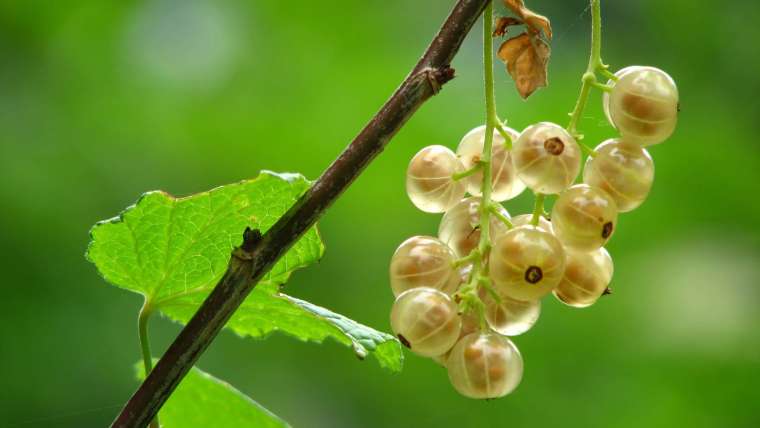
Currants are small, tart berries that come in various colors, including red, black, and white. These tiny fruits are packed with vitamins, particularly vitamin C, and are known for their antioxidant properties. Often used in jams, jellies, and baked goods, currants add a burst of tangy flavor to recipes. They are also enjoyed fresh, though their sharp taste can be…
Cherries. Sweet, tart, and a total classic. If you’ve never sunk your teeth into a ripe cherry, picture a burst of sunshine in your mouth. They’re like nature’s candy, but way more sophisticated. A bit of a tease with their tartness, then that sweet payoff that makes you forget about all the pits. Cherry trees are the kind of tree…
The Sedum plant, also known as stonecrop, is a hardy and low-maintenance succulent that thrives in a variety of conditions, making it a popular choice for gardens, rockeries, and green roofs. With its thick, fleshy leaves that store water, Sedum is highly drought-resistant and can tolerate poor soil, requiring minimal care. The plant comes in a wide range of sizes,…
Creeping thyme is a versatile, low-growing perennial herb that serves as an attractive ground cover in gardens and landscapes. Known for its fragrant, tiny purple flowers and dense foliage, it spreads quickly, creating a lush, green carpet that adds beauty and functionality to outdoor spaces. This hardy plant thrives in full sun and well-drained soil, making it ideal for rock…
The buckwheat plant (Fagopyrum esculentum) is a fast-growing, herbaceous plant known for its ability to thrive in poor soil conditions and colder climates. It features broad, heart-shaped leaves and small, fragrant white or pink flowers that attract pollinators like bees. The plant produces triangular seeds, which are harvested and used as a grain alternative, though technically, buckwheat is not a…
Growing oats provides benefits such as improving soil health, suppressing weeds, adding organic matter, and serving as a nutritious food or forage crop. The oat plant, Avena sativa, is a tall, grass-like cereal crop known for its slender, upright stems and delicate seed heads. It thrives in cooler climates and well-drained soils, growing up to four feet in height. Its…
Barley (Hordeum vulgare) is a versatile cereal grain that has been cultivated for thousands of years. It is widely grown for its use in food products, animal feed, and as a key ingredient in brewing beer and whiskey. The plant is known for its hardy nature, able to thrive in a range of climates and soil conditions, making it one…
Gardening in USDA Zone 6 offers a relatively long growing season with a last frost date around mid-May and a first frost date around mid-October. This allows for a wide variety of plants to thrive. USDA Hardiness Zone 6 experiences a temperate climate with average minimum winter temperatures ranging from -10°F to 0°F (-23°C to -17°C). Gardeners in Zone 6…