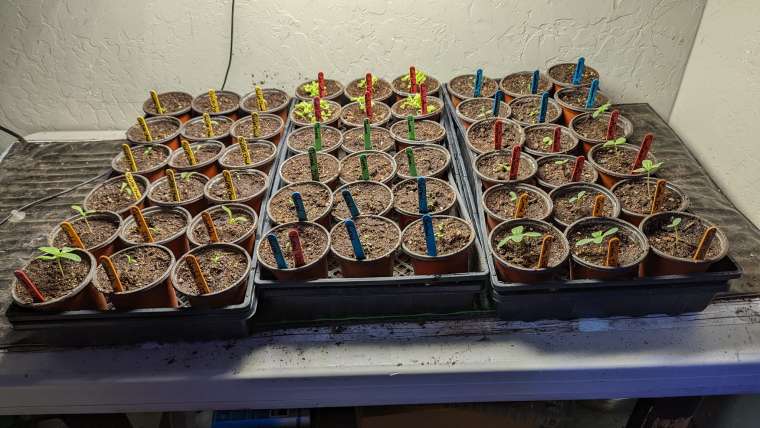
Growing Sweet William in pots offers a range of benefits, making it an excellent choice for gardeners with limited space or those seeking versatile floral arrangements. One key advantage is the ability to control growing conditions, such as soil type, drainage, and sunlight, ensuring the plant thrives.
Pots provide flexibility in placement, allowing you to move Sweet William to optimal locations, such as sunny spots during the day or protected areas during harsh weather. This adaptability also makes it easier to protect the plants from pests and diseases. Additionally, container gardening can be more convenient for individuals with mobility challenges, as pots can be placed at accessible heights for planting, watering, and maintenance.
Sweet William in pots also adds visual charm to patios, balconies, and small gardens. The plant’s vibrant, fragrant blooms come in a variety of colors, making it perfect for creating eye-catching displays or complementing other potted plants. Its compact growth habit makes it ideal for containers, and by choosing the right pot size, you can prevent overcrowding while allowing the plant to flourish.
Furthermore, growing Sweet William in pots enables gardeners to experiment with seasonal rotations, mixing it with other annuals and perennials for year-round interest. This approach not only maximizes aesthetic appeal but also fosters a dynamic and engaging gardening experience.
Growing Sweet William in Containers

Sweet William (Dianthus barbatus) is a delightful biennial or short-lived perennial known for its vibrant, fragrant clusters of flowers. Growing Sweet William in pots is a great way to enjoy its charm, whether you have limited space or want a portable floral display. Follow this complete guide to successfully grow and care for Sweet William in containers.
1. Choosing the Right Pot
- Size: Select a pot that is at least 12 inches (30 cm) in diameter and 10-12 inches deep to provide ample space for root growth.
- Material: Use pots made of terracotta, ceramic, or plastic with proper drainage holes to prevent waterlogging.
- Drainage: Ensure the pot has at least one large drainage hole. Place a layer of small stones or broken pottery at the bottom to improve drainage.
2. Selecting the Right Soil
- Use a well-draining, nutrient-rich potting mix.
- Mix in 20-30% perlite or sand to improve aeration and drainage.
- Sweet William prefers soil with a slightly alkaline to neutral pH (6.5-7.5). Add lime if the soil is too acidic.
3. Planting Sweet William
- Seeds:
- Fill the pot with soil, leaving about 1 inch (2.5 cm) below the rim.
- Sprinkle Sweet William seeds evenly on the soil surface.
- Cover lightly with a thin layer of soil (1/8 inch or 3 mm) and water gently.
- Place the pot in a sunny spot.
- Germination typically occurs within 7-14 days at temperatures of 65-70°F (18-21°C).
- Seedlings or Transplants:
- If using nursery-bought seedlings, plant them 6 inches (15 cm) apart.
- Water immediately after planting.
4. Light Requirements & Watering
- Place the pot in a location that receives 6-8 hours of direct sunlight daily. Sweet William thrives in full sun but can tolerate partial shade in hotter climates.
- Keep the soil evenly moist but not soggy.
- Water when the top inch (2.5 cm) of soil feels dry.
- Avoid overwatering, as Sweet William is susceptible to root rot.
5. Fertilizing
- Use some compost or a balanced, slow-release fertilizer every 6-8 weeks.
- Alternatively, feed with a diluted liquid fertilizer every two weeks during the growing season.
- Avoid over-fertilizing, as this can lead to excessive foliage growth at the expense of flowers.
6. Pruning and Deadheading
- Remove spent flowers (deadheading) regularly to encourage continuous blooming.
- Trim back leggy stems to maintain a compact shape.
- After the first bloom cycle, cut back the plant by one-third to encourage a second flush of flowers.
7. Supporting Growth
- In taller varieties, insert small stakes or bamboo canes to support the stems and prevent them from bending or breaking in the wind.
8. Winter Care
- If you live in a region with cold winters:
- Move the pots to a sheltered location or indoors.
- Mulch the soil surface with straw or bark to protect roots from freezing.
- In mild climates, Sweet William can survive outdoors with minimal protection.
9. Common Pests and Diseases
- Aphids and Spider Mites: Spray with insecticidal soap or neem oil.
- Fungal Issues: Avoid overhead watering and ensure good air circulation around the plants.
- Crown Rot or Root Rot: Ensure proper drainage and avoid overwatering.
10. Companion Plants & Tips for Continuous Blooming
- Pair Sweet William with other sun-loving flowers like marigolds, geraniums, or petunias for a colorful container garden.
- Sweet William flowers best in its second year but can rebloom if deadheaded and cared for properly.
- Sow new seeds every year to maintain a continuous display of blooms.
FAQs
Yes, Sweet William can be grown in pots. It is a compact, hardy plant that thrives in containers, provided it has proper drainage and sufficient sunlight.
Sweet William prefers well-draining soil. Use a potting mix with added sand or perlite to improve drainage. A soil pH of 6.0 to 7.5 is ideal.
Water when the top 1-2 inches of soil feel dry. Avoid overwatering, as Sweet William prefers slightly moist but not soggy soil. Reduce watering during the cooler months.
Sweet William can be grown indoors if placed near a sunny window or under grow lights that provide adequate light for at least 6-8 hours daily.
Plant seeds or transplants in spring after the last frost or in late summer for blooms the following year. Sweet William is a biennial, often flowering in its second year.
Regularly remove spent blooms to encourage continued flowering and prevent the plant from going to seed too soon.
Yes, Sweet William is frost-tolerant. In colder climates, protect pots by placing them in a sheltered area or wrapping them with insulating material. Reduce watering during winter.
Sign up to get our FREE weekly emails
Gardening guides, tips, & videos delivered right to your inbox!