Mustard Greens. Don’t let the name fool you—they’re not just a condiment; they’re a powerhouse. If you’ve never tried them, picture spinach, but with a little more sass. Slightly bitter, with a peppery kick, mustard greens are as bold as they come. They bring a level of flavor to any dish that leaves you wondering why you’ve been overlooking them all this time.
They grow fast, too. You’ll be harvesting them in about 30-40 days, which makes them perfect for impatient gardeners. But don’t rush it—give them a little space to grow. They don’t mind a bit of cold, so you can plant them early in the season or even after a light frost. But remember, they like well-drained soil, and a bit of sunlight goes a long way.
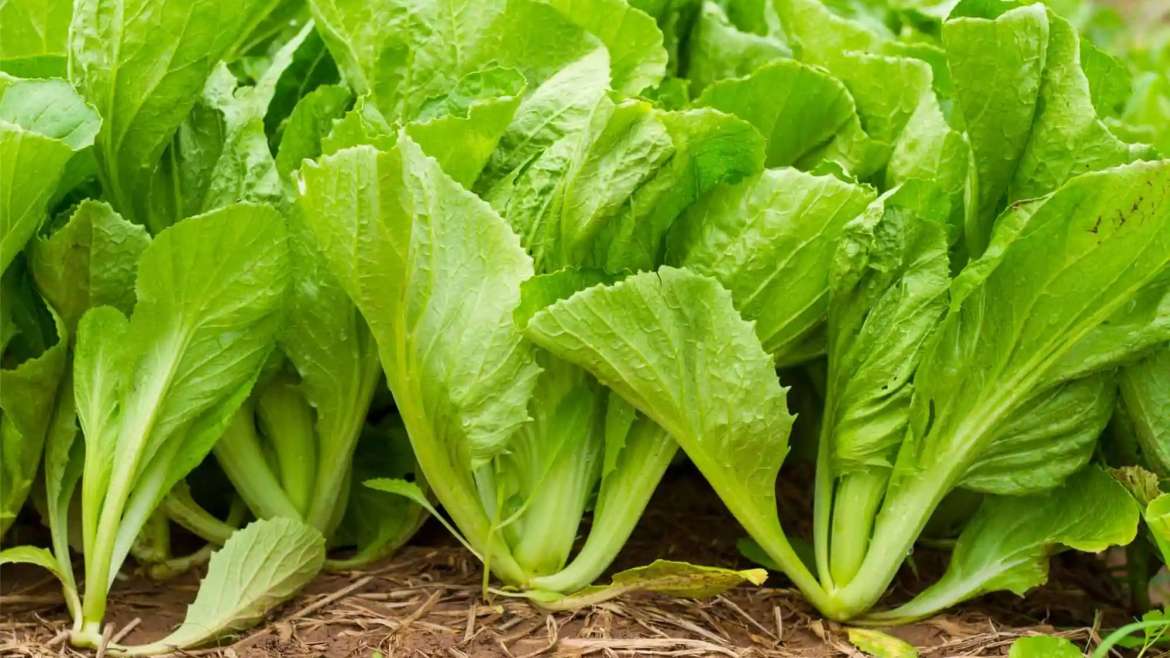
The best part? They’re packed with vitamins, antioxidants, and fiber, which basically means they’re not just good for your taste buds, they’re good for your health too. And the leaves? Beautiful in their own right—bright green and slightly crinkled, like nature’s little work of art.
So, if you’re looking to spice up your garden (and your meals), mustard greens should definitely be on your list. Just give them the space and care they need, and you’ll be rewarded with an abundance of flavor that’s worth every leaf.
How to Grow Mustard Greens

Growing mustard greens is relatively simple and rewarding. Below is a step-by-step guide to help you through the process:
Planting Mustard Greens
When to Plant:
- Mustard greens prefer cooler temperatures and can be planted in early spring or fall.
- Plant seeds about 4-6 weeks before the last expected frost date for a spring crop, or 8-10 weeks before the first frost for a fall crop.
Choosing a Site:
- Select a location with full sun to partial shade.
- The soil should be well-draining, rich in organic matter, and slightly acidic to neutral (pH 6.0-7.5).
Planting Seeds:
- Sow seeds directly in the garden about ¼ inch deep and 2 inches apart.
- Thin seedlings to 6-8 inches apart once they are a few inches tall to give each plant room to grow.
- If transplanting seedlings, space them 6-8 inches apart in rows 12-18 inches apart.
Growing Mustard Greens
Watering:
- Keep the soil consistently moist, but not waterlogged. Water regularly, especially during dry spells.
Fertilizing:
- Mustard greens benefit from a balanced fertilizer. Apply a slow-release fertilizer at planting time or side-dress with compost during the growing season.
Weeding:
- Keep the area free of weeds to reduce competition for nutrients and water. Mulching around the plants can help suppress weeds and retain moisture.
Pests and Diseases:
- Watch out for common pests like aphids, flea beetles, and cabbage worms. Use organic insecticides or hand-pick pests as needed.
- Mustard greens are susceptible to diseases like downy mildew and white rust. Ensure proper spacing for good air circulation and avoid overhead watering.
Harvesting Mustard Greens
When to Harvest:
- Mustard greens can be harvested when they are young and tender or allowed to mature for a stronger flavor.
- For baby greens, start harvesting leaves when they are about 3-4 inches tall.
- Mature leaves can be harvested when they are 6-8 inches long, typically 30-40 days after planting.
How to Harvest:
- Harvest by cutting the outer leaves at the base, allowing the center to continue growing.
- Alternatively, you can cut the entire plant at once, and it may regrow for a second harvest, especially in cooler climates.
Post-Harvest:
- Rinse the leaves thoroughly to remove dirt and insects.
- Mustard greens can be stored in the refrigerator for up to a week, preferably in a plastic bag to maintain freshness.
Mustard Greens Growing Zone
Mustard greens thrive best in USDA Hardiness Zones 4 through 11. These zones cover a wide range of climates, from areas with mild winters to regions with more extended growing seasons.
Mustard greens prefer cool weather and can be grown in both spring and fall. They are relatively cold-hardy and can withstand light frosts, making them a good option for early spring or late fall planting.
Additional Tips:
- Succession planting every 2-3 weeks will provide a continuous harvest throughout the growing season.
- Mustard greens are frost-tolerant and can withstand light frosts, which can even enhance their flavor.
Growing Mustard Greens FAQ
Mustard greens are leafy vegetables from the mustard plant, belonging to the Brassica family. They have a peppery, pungent flavor and are rich in vitamins A, C, and K.
Mustard greens are cool-season crops. They thrive when planted in early spring or late summer to fall. For continuous harvest, you can plant seeds every two weeks.
Yes, you can eat mustard greens raw. They have a peppery, slightly spicy flavor, which makes them a great addition to salads, sandwiches, or wraps.
Mustard greens have a bold, peppery flavor that’s often described as spicy and slightly bitter, similar to the taste of mustard itself. When raw, they have a sharp, pungent taste, but cooking them tends to mellow out the bitterness and enhances their natural earthy flavor.
Harvest mustard greens when they are young and tender, typically 30-40 days after planting. You can either pick individual leaves or cut the entire plant at the base.
Sow mustard green seeds about 1/4 inch deep in rows spaced 12-18 inches apart. Thin seedlings to about 6 inches apart once they have a few true leaves.
Yes, mustard greens grow well in containers. Use a pot at least 12 inches in diameter, with well-draining soil, and ensure the container gets enough sunlight.
Yes, mustard greens can be grown indoors in a sunny window or under grow lights. Ensure they get enough light and maintain consistent moisture in the soil.
Sign up to get our FREE weekly emails
Gardening guides, tips, & videos delivered right to your inbox!