
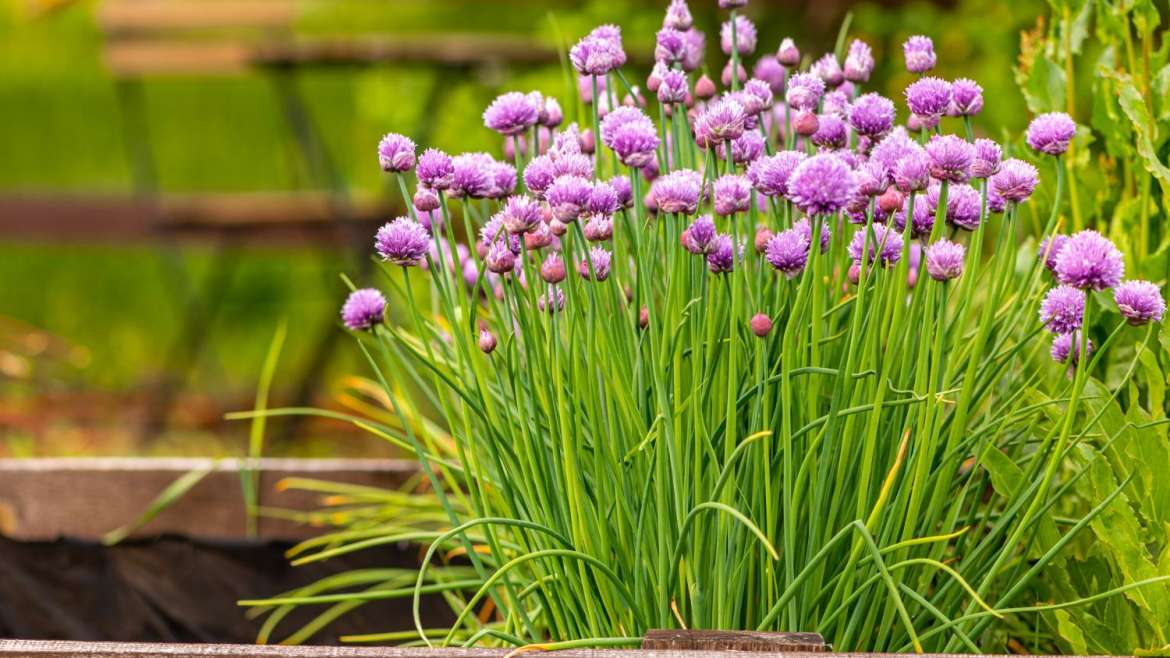
Growing chives in pots offers numerous benefits, particularly for those with limited gardening space. Chives are a low-maintenance herb that thrives in containers, making them ideal for balconies, patios, or even windowsills.
Because they grow well in confined spaces, you can enjoy fresh chives without needing a full garden. The ability to move the pot allows you to maximize sunlight exposure or protect the plant from harsh weather. Additionally, growing chives indoors provides a year-round supply of this versatile herb, adding flavor to dishes while offering a touch of greenery to your living space.
Potted chives also help control pests and promote a healthier plant environment. The controlled environment of a pot reduces the risk of soil-borne diseases and pests, and you can easily monitor soil quality and moisture levels. Chives are known for their natural pest-repelling properties, which can help deter unwanted insects from other nearby plants.
Furthermore, growing chives in pots allows for easier harvesting, as the plants are within arm’s reach. Their delicate purple flowers can also serve as an attractive ornamental addition to your home, providing both aesthetic and culinary value.
Growing Chives in a Pot

Chives (Allium schoenoprasum) are an easy-to-grow, versatile herb known for their mild onion flavor and vibrant green, grass-like leaves. They are perfect for small spaces, patios, balconies, or kitchen windowsills. This guide covers everything you need to successfully grow and care for chives in pots.
Why Grow Chives in Pots
- Space-Saving: Ideal for apartments or homes with limited garden space.
- Easy Maintenance: Chives are hardy and low-maintenance.
- Year-Round Availability: You can move pots indoors during colder months.
- Kitchen Convenience: Having chives close by makes fresh garnishes easy.
Choosing the Right Pot
- Size:
- Minimum 6 inches (15 cm) in diameter for a single plant.
- If planting multiple clumps, a 12-inch (30 cm) pot works well.
- Material:
- Terracotta, ceramic, plastic, or metal are all suitable.
- Ensure the pot has drainage holes to prevent root rot.
- Depth:
- 6-8 inches (15-20 cm) depth is sufficient since chives have shallow roots.
Best Soil for Chives
- Type: Use a light, well-draining potting mix.
- Enrich: Add organic compost to improve soil fertility.
- pH: Slightly acidic to neutral (pH 6.0-7.0).
Light Requirements
- Full Sun: Chives thrive with 6-8 hours of sunlight daily.
- Partial Shade: They can tolerate some shade but may grow more slowly.
- Indoors: Place the pot on a sunny windowsill (south-facing is best).
Watering
- Frequency: Water when the top 1 inch (2.5 cm) of soil feels dry.
- Consistency: Keep soil evenly moist but not waterlogged.
- Summer: Water more frequently during hot weather.
Temperature and Humidity
- Optimal Range: Chives grow best in temperatures between 60°F to 80°F (15°C to 27°C).
- Cold Tolerance: They can survive light frosts, but move pots indoors when temperatures drop below 20°F (-6°C).
- Humidity: Chives are adaptable to various humidity levels.
Planting Chives
From Seeds
- Sow Seeds:
- Plant seeds ¼ inch (0.5 cm) deep in the potting mix.
- Space seeds about ½ inch (1.5 cm) apart.
- Germination:
- Place the pot in a warm, sunny spot.
- Seeds will germinate in 7-14 days.
- Thinning:
- When seedlings are 2 inches (5 cm) tall, thin them to 4-6 inches (10-15 cm) apart.
From Divisions or Starts
- Planting:
- Dig a small hole and plant the clump at the same depth it was previously growing.
- Space divisions 4-6 inches (10-15 cm) apart.
- Water Thoroughly:
- Firm the soil around the roots and water thoroughly.
Caring for Chives
Fertilizing
- Frequency: Fertilize every 4-6 weeks during the growing season.
- Type: Use a balanced, water-soluble fertilizer (e.g., 10-10-10) or compost tea.
- Avoid Overfertilizing: Too much fertilizer can reduce flavor intensity.
Pruning
- Harvest Regularly: Cut leaves back to about 2 inches (5 cm) from the soil to encourage new growth.
- Flower Maintenance: Remove flower stalks to prevent self-seeding unless you want to harvest seeds.
Pests and Diseases
- Common Pests: Aphids, thrips, and onion maggots.
- Solution: Spray with a mild insecticidal soap or neem oil.
- Diseases: Rust and powdery mildew.
- Solution: Ensure good air circulation and avoid overhead watering.
Harvesting Chives
- When to Harvest: Start harvesting when the plants are 6 inches (15 cm) tall.
- Method:
- Use sharp scissors to snip leaves, leaving at least 2 inches (5 cm) above the soil.
- Don’t cut more than one-third of the plant at a time.
- Flavor: Chives have the best flavor when fresh.
Overwintering
- Indoors: Move pots to a sunny windowsill.
- Outdoors: Chives are perennial and will go dormant in winter. In cold climates, mulch the soil surface to protect roots.
Using Chives
- Culinary Uses:
- Add fresh chives to salads, soups, omelets, baked potatoes, and dips.
- Edible Flowers:
- Chive blossoms can be used in salads or as a garnish.
- Preservation:
- Freeze chopped chives or dry them for longer storage.
Quick Tips for Success
- Rotate pots to ensure even sun exposure.
- Deadhead flowers to prevent unwanted seeding.
- Repot chives every 2-3 years to refresh soil and prevent overcrowding.
FAQs
Chives need 6-8 hours of direct sunlight each day. For indoor pots, place them near a south-facing window or supplement with grow lights.
Water when the top 1 inch (2.5 cm) of soil feels dry. Avoid overwatering to prevent root rot.
Yes! Chives grow well indoors if they get sufficient sunlight (6-8 hours). Use a well-ventilated spot and rotate the pot for even growth.
Chives are perennial and can live for several years. Divide the plants every 2-3 years to maintain healthy growth.
Sign up to get our FREE weekly emails
Gardening guides, tips, & videos delivered right to your inbox!


