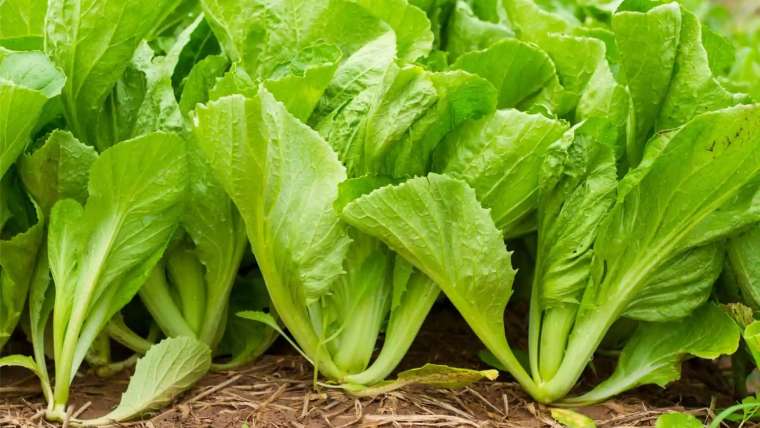
Are you looking to maximize your lettuce harvest? Companion planting might be the secret to achieving abundant yields of this delicious leafy green. Companion planting is an age-old technique that involves strategically planting certain crops together to enhance growth and deter pests.
In this article, we will delve into the art of companion planting specifically for lettuce, sharing tips and tricks to boost your harvest.
By selecting the right companions for your lettuce, you can improve the overall health and productivity of your garden. Some plants naturally repel pests, while others provide shade or attract beneficial insects that help control harmful pests.
We will explore the best companions for lettuce, such as herbs like dill and chives, as well as other vegetables that can provide a diverse and harmonious environment for your lettuce plants.
Whether you have a large garden or a small space for containers, companion planting can be adapted to suit your needs. So, if you’re ready to take your lettuce harvest to the next level, join us as we unlock the secrets of successful companion planting.
The Benefits of Companion Planting for Lettuce
Companion planting offers a multitude of benefits for those looking to enhance their lettuce harvest. One of the primary advantages is the natural pest control it provides. By planting specific herbs and vegetables alongside lettuce, gardeners can deter harmful insects that typically target these leafy greens.
For instance, certain flowers and herbs can emit scents that repel aphids and other pests, reducing the need for chemical pesticides and promoting a healthier growing environment. This natural approach not only safeguards the plants but also encourages a more balanced ecosystem in the garden.
Additionally, companion planting can improve the overall growth and flavor of lettuce. Certain plants, when grown together, can enhance each other’s nutrient uptake. For example, legumes like peas can fix nitrogen in the soil, benefiting neighboring plants such as lettuce, which thrive in nitrogen-rich environments.
This symbiotic relationship allows for more vigorous growth, resulting in lush, flavorful leaves that are more resilient to environmental stressors. Furthermore, healthy plants are better equipped to withstand diseases and pests, leading to a more productive harvest.
Another significant benefit of companion planting is the effective use of space. By interplanting lettuce with compatible species, gardeners can maximize their garden area, making it possible to grow more in a smaller footprint.
This technique is especially beneficial for urban gardeners or those with limited space. The visual appeal of a diverse garden is also worth noting; a colorful array of plants can make any garden more attractive while attracting beneficial pollinators. Ultimately, companion planting is a strategic method that leads to increased yields, healthier plants, and a more vibrant garden ecosystem.
Understanding the Concept of Plant Companionship
The concept of plant companionship revolves around the idea that certain plants can benefit one another when grown in proximity. This practice is rooted in traditional agricultural wisdom and has been employed by farmers and gardeners for centuries.
At its core, companion planting is about understanding the relationships between various plant species and leveraging those relationships to enhance growth, deter pests, and improve overall garden health. By selecting appropriate companions, gardeners can create a harmonious environment that encourages cooperation rather than competition among plants.
Companion planting is based on several principles, including the idea of mutual benefit. Some plants may provide shade, protecting delicate crops like lettuce from harsh sunlight, while others may attract pollinators that aid in the overall health of the garden.
Additionally, certain plants can alter the soil’s nutrient composition, making it more suitable for lettuce and other leafy greens. Understanding these relationships is essential for gardeners looking to optimize their planting strategies and achieve better results.
Moreover, the concept of plant companionship extends beyond mere physical proximity. It also involves recognizing the biochemical interactions between plants. Some species can exude compounds through their roots that either promote growth or inhibit the development of weeds and pests.
These allelopathic properties can play a crucial role in garden design, as they can influence the success of different crops when planted together. By understanding these dynamics, gardeners can create a thriving ecosystem that yields abundant harvests of lettuce and other complementary crops.
Choosing the Right Companion Plants for Lettuce
When selecting companion plants for lettuce, it is crucial to consider both the benefits they offer and their compatibility with lettuce’s growth requirements. Ideal companions should have similar water and light needs to ensure that they thrive alongside lettuce without competing for resources.
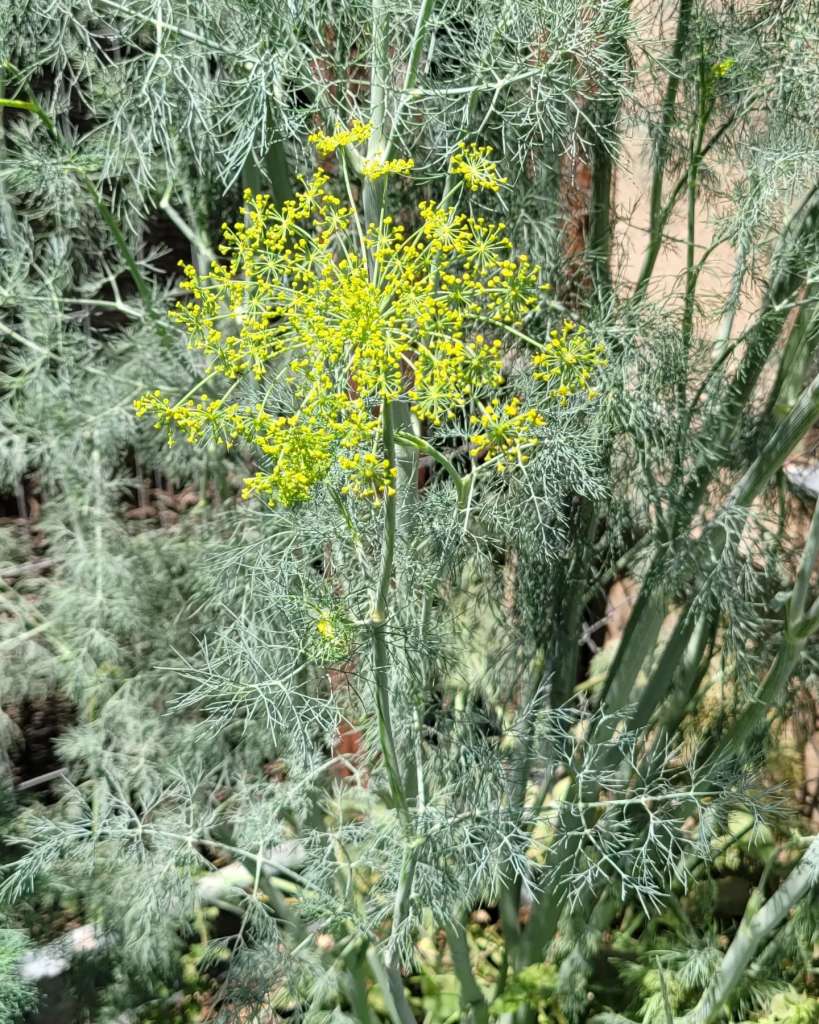
For example, herbs such as dill and chives are excellent choices as they not only share similar growing conditions but also enhance the flavor of lettuce while attracting beneficial insects. These herbs can help create a supportive environment that encourages healthy growth and development.
Another important factor to consider is the growth habit of potential companion plants. Lettuce is a relatively low-growing crop, which makes it susceptible to being overshadowed by taller plants. Therefore, selecting companions that grow upright or have a bushy habit can provide shade without hindering the lettuce’s access to sunlight.
For instance, planting lettuce alongside tomatoes or peppers can provide a beneficial mix, as these taller plants can offer some shade during the hotter months while also helping to deter pests.
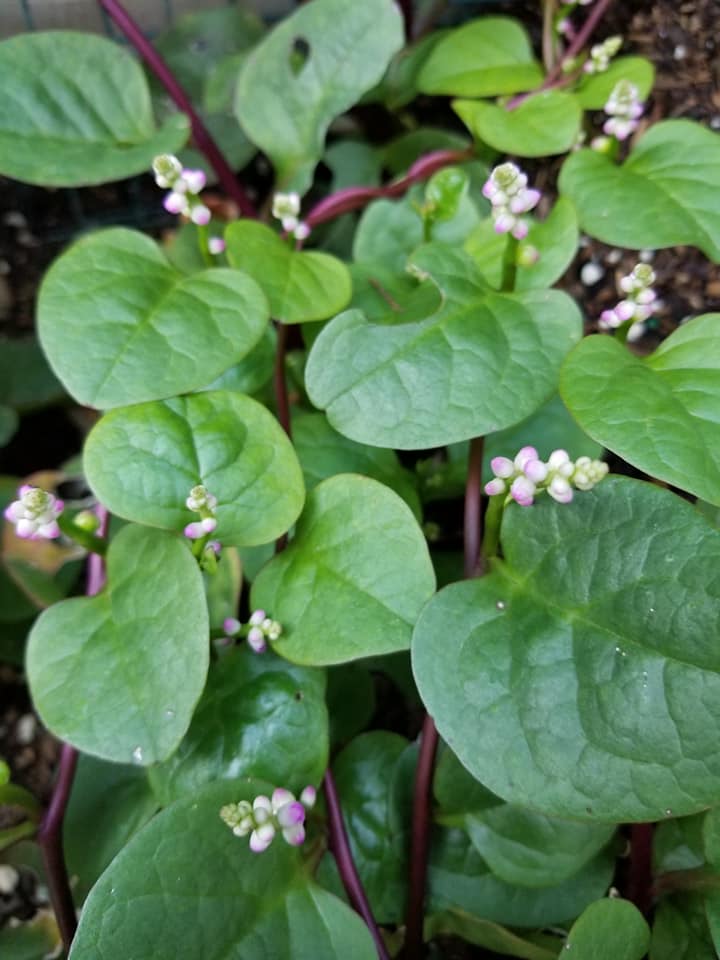
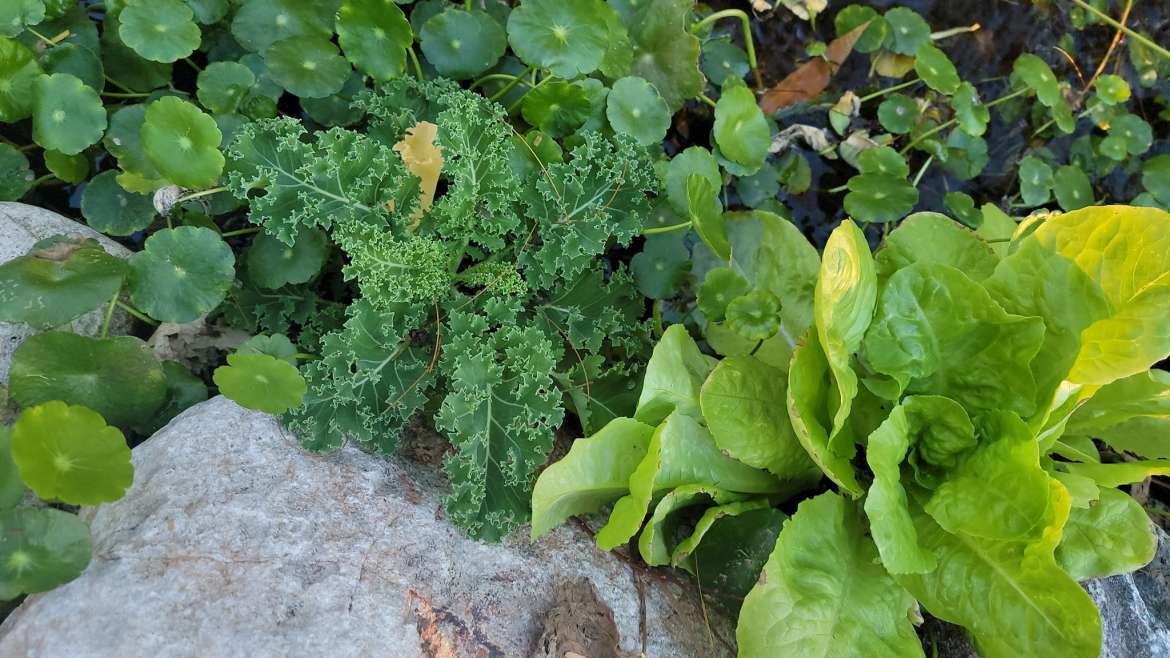
Lastly, gardeners should also be mindful of potential negative interactions. Some plants can inhibit the growth of lettuce or attract pests that could harm it. For example, planting lettuce near members of the cabbage family, like broccoli or kale, can lead to competition for nutrients and attract similar pests.
Researching and understanding the compatibility of various plants is essential for creating a successful companion planting strategy that maximizes the benefits for lettuce and minimizes potential drawbacks.
Companion Plants that Deter Pests and Diseases
One of the most significant advantages of companion planting is the ability to deter pests and diseases. Certain plants can repel harmful insects that commonly afflict lettuce, such as aphids, slugs, and caterpillars.
For instance, marigolds are renowned for their pest-repelling properties. Their strong scent can confuse and deter aphids, making them a perfect companion to plant alongside your lettuce. Furthermore, marigolds can attract predatory insects like ladybugs, which naturally control pest populations, enhancing the health of your lettuce crop.
Another beneficial companion for lettuce is the aromatic herb basil. Basil emits compounds that can repel a range of pests, including mosquitoes and flies. When grown near lettuce, basil not only provides protection but also improves the flavor of the lettuce itself.
Moreover, planting garlic or onion near your lettuce can also deter pests due to their strong odors. These alliums can confuse or repel aphids and other harmful insects, allowing your lettuce to thrive undisturbed.
In addition to repelling pests, certain companion plants can help combat diseases that may affect lettuce. For example, planting nasturtiums can serve as a trap crop, attracting aphids away from your lettuce plants.
This strategy helps to minimize the risk of aphid infestations, which can lead to diseases that compromise the health of your lettuce. By incorporating these savvy companion plants into your garden, you can create a protective barrier that supports the growth of your lettuce while minimizing pest pressures.
Companion Plants that Improve Lettuce Growth and Flavor

Choosing companion plants that enhance the growth and flavor of lettuce can lead to a more bountiful harvest. One of the most effective companions is the legume family, particularly peas. As nitrogen-fixing plants, legumes enrich the soil with essential nutrients that promote healthy lettuce growth.
This symbiotic relationship allows lettuce to access more nutrients, resulting in larger and more flavorful leaves. Furthermore, the vertical growth habit of peas can provide a natural trellis for other plants, ensuring efficient use of garden space.
Herbs like cilantro and dill are also excellent companions for lettuce, as they can enhance its flavor profile. When grown alongside lettuce, these herbs can impart a subtle flavor that elevates the taste of salads and other dishes.
Additionally, these herbs attract beneficial pollinators and predatory insects, which can further support the health of your lettuce crop. The presence of these flavorful companions not only contributes to a diverse garden but also enhances the culinary experience of your homegrown lettuce.
Furthermore, certain flowers can play a role in improving the growth of lettuce. For example, planting borage near lettuce can be beneficial, as borage attracts pollinators and beneficial insects while also providing nutrients to the soil.
The leaves of borage are known to enhance the flavor of lettuce, creating a delightful culinary combination. By carefully selecting companion plants that complement and enrich the growth of lettuce, gardeners can enjoy a more flavorful and productive harvest.
How to Plan and Layout your Companion Planting Garden
Planning your companion planting garden requires careful consideration of plant arrangements and spacing to maximize growth and benefits. Start by sketching a layout that includes your lettuce and its chosen companions. Group compatible plants together, ensuring that taller species do not overshadow your lettuce.
Consider the growth habits and light requirements of each plant to create an optimal environment. Using a grid or raised bed system can help keep plants organized and allow for efficient watering and maintenance.
Furthermore, pay attention to the timing of planting. Some companion plants can be sown simultaneously, while others may need to be planted at different times to avoid competition.
For instance, planting quick-growing radishes alongside slower-growing lettuce can help utilize space effectively. As the radishes mature and are harvested, the lettuce will have more room to grow. This staggered planting approach can ensure a continuous harvest while maximizing the benefits of companion planting.
Lastly, consider incorporating companion plants that extend the growing season for lettuce. Cool-season crops, such as lettuce, can benefit from being planted alongside late-summer crops that will mature in the fall.
This strategy allows for an extended harvest period, providing fresh produce for an extended timeframe. By strategically planning and laying out your companion planting garden, you can create a thriving ecosystem that supports the growth and health of your lettuce and its companions.
Tips for Successful Lettuce Companion Planting
To achieve success with lettuce companion planting, gardeners should implement several key strategies. First and foremost, always research the compatibility of various plants before planting.
Understanding which plants work well together and which may hinder growth is essential for creating a thriving garden. Utilize companion planting charts or guides to ensure that you are selecting the right combinations for your specific growing conditions.
Another important tip is to monitor the health of your plants regularly. Keep an eye out for any signs of pests or diseases, and take action promptly if issues arise. Early intervention can prevent problems from escalating and ensure that your lettuce and its companions remain healthy.
In addition, maintaining proper watering and soil management practices will support the growth of both lettuce and its companions, creating an ideal environment for all plants involved.
Finally, be open to experimentation. Gardening is often about trial and error, and what works for one gardener may not work for another. Keep a garden journal to track your planting combinations and their outcomes.
Note which companions yield the best results and adjust your planting strategies in subsequent seasons. By being adaptable and willing to learn from your experiences, you can refine your companion planting techniques to optimize your lettuce harvest.
Common Mistakes to Avoid in Companion Planting
While companion planting can yield numerous benefits, there are common mistakes that gardeners should avoid to ensure a successful harvest.
One of the most frequent errors is overcrowding plants. Planting too closely can lead to competition for nutrients, water, and sunlight, ultimately stunting the growth of all plants involved. It is essential to adhere to recommended spacing guidelines for each plant to ensure that they have adequate room to thrive.
Another mistake is neglecting to plan for plant height and growth habits. Failing to consider the mature size of companion plants can lead to overshadowing and competition for light, which can adversely affect the growth of lettuce. Always take into account the growth patterns of both lettuce and its companions to create a balanced garden layout that allows each plant to flourish.
Lastly, overlooking the importance of rotation and diversity can be detrimental. Companion planting is most effective when gardens are diverse and include a variety of species. Planting the same companions year after year can lead to soil depletion and increased pest pressures.
Implementing crop rotation strategies and mixing companion plants can maintain soil health and reduce the risk of disease and pest infestations, leading to a more sustainable and productive gardening practice.
Conclusion
In conclusion, companion planting is a powerful technique that can significantly enhance your lettuce harvest. By understanding the benefits of plant companionship, choosing the right companions, and implementing effective planning and management strategies, you can create a thriving garden ecosystem. The synergistic relationships formed between lettuce and its companions can lead to healthier plants, improved flavor, and increased yields.
As you embark on your companion planting journey, remember to monitor your garden’s progress, be adaptable, and learn from your experiences. Each growing season presents new opportunities to refine your approach and discover the best combinations for your specific conditions.
With patience and experimentation, you can unlock the full potential of your lettuce crop and enjoy a bountiful harvest that will nourish your family and delight your taste buds.
Embrace the art of companion planting, and watch your lettuce thrive alongside its perfect partners in your garden. With the right strategies and a little creativity, you can transform your small patch of greens into a flourishing oasis that yields abundant, delicious lettuce year after year. Happy planting!
Sign up to get our FREE weekly emails
Gardening guides, tips, & videos delivered right to your inbox!