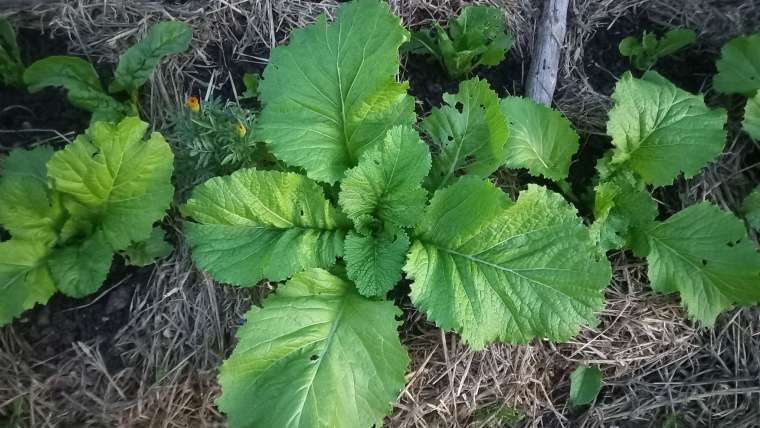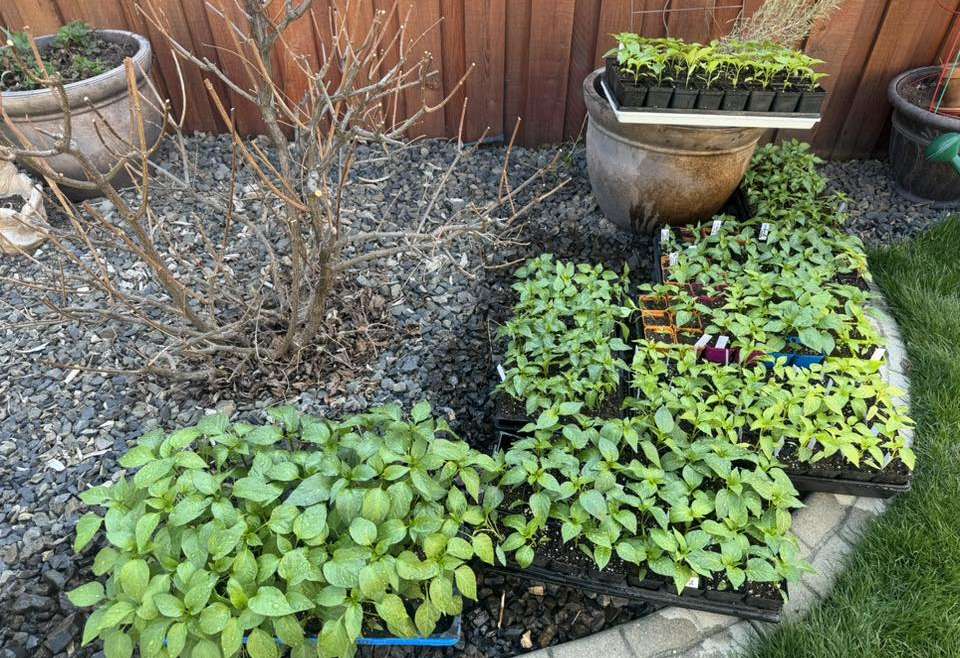
If you’re an avid gardener looking to grow the best endive in your backyard, then companion planting is a strategy you don’t want to overlook. The right plant combinations can boost growth, protect against pests, and improve the overall health of your endive crop. But what is companion planting, and how can it benefit your endive?
In this guide, we’ll explore the best companion plants for endive, which ones to avoid, and some helpful tips for maximizing your gardening success.
Why You Should Consider Companion Planting for Endive
Endive, a leafy green with a crisp texture and slightly bitter taste, is often used in salads or as a garnish. As a cool-season crop, it thrives in temperatures between 50-70°F and requires plenty of light and well-drained soil. But just like any other plant, endive’s health can be affected by pests, diseases, and nutrient imbalances. This is where companion planting comes in.
Companion planting is the practice of growing different plant species together in a way that benefits one or both of the plants. Certain plants can attract beneficial insects, repel harmful pests, improve soil conditions, or enhance flavor and growth. When applied correctly, companion planting can lead to stronger, healthier plants, higher yields, and a more balanced garden ecosystem.
When you choose the right companions for your endive, you can take advantage of nature’s synergies. By attracting pollinators, deterring pests, or providing necessary nutrients, companion plants can support your endive plants in their growth cycle, ensuring a bountiful harvest.
Best Companion Plants for Endive

- Radishes: Radishes are excellent companions for endive because they are fast-growing and can act as a natural pest repellent. They’re known to deter pests like aphids, which can harm your endive plants. Radishes also don’t compete with endive for nutrients, as they have a relatively shallow root system. They grow quickly, allowing you to harvest them before they become a problem, and their fast growth means they don’t take up valuable space for long.
- Garlic: Garlic is a well-known companion plant for many crops, and endive is no exception. Garlic’s strong odor can deter pests such as aphids, snails, and whiteflies. By planting garlic near endive, you can create a natural pest barrier that helps protect your plants. Additionally, garlic improves the overall flavor of your endive, adding a subtle, savory note to the leaves when harvested together.
- Dill: Dill is a great companion plant for endive, as it attracts beneficial insects like ladybugs and lacewings, which feed on aphids and other harmful pests. These insects will help keep your endive plants pest-free, allowing them to grow strong and healthy. Dill also helps to improve soil fertility by attracting pollinators that aid in the pollination process.
- Chives: Chives can offer similar pest-repellent benefits to garlic. Their strong scent helps to ward off harmful insects that would otherwise target your endive. In addition to pest control, chives can be interspersed around your endive to improve the overall biodiversity in your garden, contributing to a more balanced ecosystem.
- Marigolds: Marigolds are an excellent choice for companion planting with endive due to their ability to repel nematodes and various insects. The strong scent of marigolds acts as a natural insect repellent, helping to keep pests like aphids, whiteflies, and beetles at bay. Planting marigolds around your endive plants can create a protective barrier and prevent pest infestations.
- Cucumbers: Cucumbers and endive are compatible companions because they share similar growing requirements, such as a preference for well-drained soil and moderate watering. While cucumbers don’t offer much in the way of pest control, they can provide valuable shade for the endive during hotter months, preventing heat stress and allowing for better growth. Cucumbers also have deep roots, which means they won’t compete with endive for nutrients or water in the topsoil.
- Basil: Basil not only enhances the flavor of endive but also offers protection from certain pests. Its strong aroma helps repel insects like aphids and flies that could damage your endive. Plus, basil works well in companion planting by promoting better soil health and providing shade for the endive during hotter weather.
- Nasturtiums: Nasturtiums are another excellent option for companion planting. These flowers act as a trap crop, attracting pests such as aphids away from your endive. Their vibrant flowers also bring beauty to your garden while helping to protect your crops. Additionally, nasturtiums can help improve soil health by adding organic matter to the soil when their leaves decompose.
Plants to Avoid Planting Near Endive
While there are many great companions for endive, there are also some plants you should avoid. Certain plants can compete for nutrients, attract harmful pests, or interfere with the growth of your endive.
- Fennel: Fennel should be avoided near endive because it can inhibit the growth of other plants, including endive. Fennel releases allelopathic chemicals that suppress the growth of neighboring plants. Additionally, fennel can attract pests such as aphids, which may then target your endive.
- Carrots: While carrots and endive both share similar growing requirements, they tend to compete for space and nutrients. The roots of carrots grow deep into the soil, and they may disrupt the shallow-rooted endive’s access to water and nutrients. It’s best to plant them in separate areas of your garden.
- Cabbage: Cabbage, along with other members of the brassica family, should be kept away from your endive. These plants tend to attract pests like aphids and cabbage worms, which can harm your endive. They also compete for nutrients, which may affect the overall health and growth of your plants.
- Beans: While beans are excellent nitrogen fixers and generally beneficial in the garden, they can compete with endive for space and water. Beans’ shallow root system can compete for moisture, especially during dry spells, which can hinder the growth of your endive. Therefore, it’s best to plant beans elsewhere in your garden.
- Tomatoes: Tomatoes and endive do not make the best companions due to their competition for nutrients and water. Tomatoes also attract pests like aphids and whiteflies, which can damage endive. Additionally, tomatoes require a lot of space to grow, which could overshadow or crowd out your endive plants.
Tips for Growing Companion Plants with Endive
- Consider Planting in Layers: Companion plants often work best when planted in layers, creating a multi-level garden. For example, tall plants like cucumbers or marigolds can be planted near your endive, providing shade and protection from the sun, while low-growing plants like radishes or basil can grow underneath.
- Space Your Plants Properly: Even though companion plants work together well, it’s essential to ensure they have enough space to grow. Overcrowding can lead to competition for light, nutrients, and water, which may hinder the growth of your endive and its companions.
- Rotate Your Crops: Companion planting is a great way to manage soil health, but don’t forget to rotate your crops each season. This prevents the soil from becoming depleted of essential nutrients and reduces the risk of pests and diseases.
- Mulch Your Garden: Applying mulch around your endive and its companion plants helps to retain moisture, regulate soil temperature, and suppress weeds. It also provides a habitat for beneficial insects, such as ladybugs, which will protect your plants from pests.
- Watch for Pests: Keep an eye on your garden for any signs of pest infestations, even if you’ve planted companion plants. While companion plants can help deter pests, they aren’t a guarantee. Regularly inspect your plants and take action early to prevent any damage.
Conclusion
Companion planting is a valuable tool for anyone looking to grow healthy and thriving endive crops. By carefully selecting plants that complement your endive, you can create a harmonious garden that promotes pest control, improves soil health, and boosts overall growth. From garlic and radishes to marigolds and basil, the right companions can enhance your endive’s health and flavor.
Ready to improve your gardening experience with companion planting? Start by choosing the best companions for your endive and watch as your plants flourish. If you have any questions or want more gardening tips, feel free to reach out in the comments below!
Have you tried companion planting in your garden? Share your experiences with us in the comments! Don’t forget to subscribe to our newsletter for more gardening tips and tricks delivered straight to your inbox!
Sign up to get our FREE weekly emails
Gardening guides, tips, & videos delivered right to your inbox!