Growing fruit is such an incredibly rewarding experience, but it also comes with challenges, especially in managing pests. Many common fruit pests and diseases can damage crops and reduce yield if not managed properly.
Fortunately, organic methods offer effective ways to prevent and control these pests without relying on harmful chemicals. In this guide, we will explore five common fruit pests and provide organic solutions to keep them under control.
1. Aphids

Identification
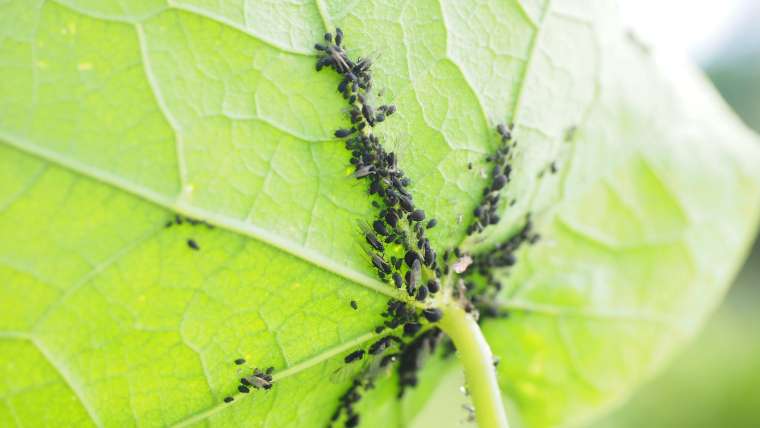
Aphids are small, soft-bodied insects that come in various colors, including green, black, brown, and pink. They typically cluster on the undersides of leaves, feeding on plant sap.
Damage
- Cause curled and distorted leaves.
- Stunt plant growth.
- Excrete a sticky substance called honeydew, which leads to sooty mold.
Organic Control Methods
- Introduce Beneficial Insects: Ladybugs and lacewings are natural predators that feed on aphids.
- Use Neem Oil: A natural insecticide that disrupts aphid reproduction and feeding.
- Spray with Insecticidal Soap: A gentle but effective way to kill aphids without harming beneficial insects.
- Companion Planting: Grow plants like garlic, chives, and marigolds nearby to repel aphids.
- Blast with Water: A strong jet of water can knock aphids off plants and reduce their numbers.
2. Codling Moth

Identification
Codling moths are small, brownish-gray moths whose larvae are pinkish-white caterpillars with a brown head.
Damage
- Larvae bore into apples, pears, and walnuts.
- Create tunnels filled with frass (excrement), making fruit inedible.
- Cause premature fruit drop.
Organic Control Methods
- Use Pheromone Traps: These traps attract and capture male moths, disrupting mating cycles.
- Bag the Fruit: Cover individual fruits with paper bags to prevent larvae from entering.
- Encourage Natural Predators: Birds, parasitic wasps, and bats help control moth populations.
- Apply Kaolin Clay: A fine clay that creates a protective barrier on fruit, discouraging moths from laying eggs.
- Remove Infested Fruit: Regularly check for and dispose of infected fruit to reduce larval populations.
3. Fruit Flies

Identification
Fruit flies are tiny, reddish-brown insects with bright red eyes. They are most active in warm weather and are attracted to ripening fruit.
Damage
- Lay eggs inside ripening fruit, causing decay.
- Lead to soft, rotten patches in fruit.
- Spread fungi and bacteria that further damage crops.
Organic Control Methods
- Set Up Apple Cider Vinegar Traps: Fill a jar with apple cider vinegar and a few drops of dish soap to lure and trap flies.
- Keep the Area Clean: Remove fallen or rotting fruit to prevent breeding.
- Use Fine Mesh Netting: Cover fruit with mesh bags to keep flies from reaching them.
- Plant Basil Nearby: The strong scent of basil repels fruit flies naturally.
- Harvest Fruit Early: Pick fruit as soon as it ripens to reduce the attraction for fruit flies.
4. Spider Mites

Identification
Spider mites are tiny, barely visible arachnids that form fine webbing on leaves. They thrive in hot, dry conditions.
Damage
- Cause stippling (tiny yellow spots) on leaves.
- Lead to bronzing and leaf drop.
- Weaken plants, making them more susceptible to other pests and diseases.
Organic Control Methods
- Increase Humidity: Spider mites dislike moist conditions, so misting plants can help keep them away.
- Introduce Predatory Mites: Beneficial mites such as Phytoseiulus persimilis feed on spider mites.
- Spray with Neem Oil: Effective in killing mites without harming plants.
- Use a Garlic or Chili Spray: A homemade spray with garlic or chili can deter mites.
- Prune Infested Leaves: Remove affected leaves and dispose of them away from the garden.
5. Plum Curculio

Identification
Plum curculios are small, dark brown beetles with a distinctive snout. Their larvae are creamy-white grubs found inside fruit.
Damage
- Cause scarring on fruit due to adult feeding.
- Lay eggs inside fruit, leading to internal rot.
- Result in premature fruit drop.
Organic Control Methods
- Shake Trees to Dislodge Beetles: Spread a tarp under the tree and shake it early in the morning to collect and remove beetles.
- Apply Diatomaceous Earth: A natural powder that damages the beetle’s outer shell, leading to dehydration.
- Encourage Birds: Wrens and other birds feed on curculio beetles.
- Use Surround WP (Kaolin Clay): A protective clay coating deters beetles from laying eggs.
- Till the Soil in Late Fall: This disrupts the pupation cycle of larvae, reducing next season’s population.
FAQs
The most common fruit pests include aphids, codling moths, spider mites, fruit flies, Japanese beetles, scale insects, and thrips, all of which can damage fruit trees and reduce yields.
One can prevent fruit pests naturally by using companion planting, encouraging beneficial insects, applying neem oil or insecticidal soap, using row covers, and maintaining proper pruning and sanitation.
Yes, organic sprays such as neem oil, kaolin clay, diatomaceous earth, and Bacillus thuringiensis (Bt) effectively control various fruit pests without harming beneficial insects.
To keep fruit flies away, harvest ripe fruit promptly, use vinegar or beer traps, and clean up fallen fruit to prevent infestations.
If pests have already infested your fruit trees, prune affected areas, apply horticultural oils or organic insecticides, introduce natural predators, and use pest-specific treatments if necessary.
Conclusion
Managing fruit pests organically requires vigilance, but it is highly effective in maintaining healthy plants and safe, chemical-free produce.
By implementing natural predators, companion planting, physical barriers, and organic sprays, you can keep common fruit pests under control without resorting to harmful pesticides. Regular monitoring and proactive measures will ensure a thriving and productive fruit garden.
Sign up to get our FREE weekly emails
Gardening guides, tips, & videos delivered right to your inbox!