Imagine walking into your apartment after a long day. The soothing fragrance of fresh herbs fills the air, the vibrant colors of your indoor garden brighten the room, and you feel the comforting touch of nature right in your living space. But wait—how is this even possible in a tiny apartment? It might seem like a challenge, but apartment gardening is more than achievable. In fact, it’s a rewarding hobby that anyone, even with minimal space, can enjoy.
Regardless if you’re dreaming of a lush indoor jungle or just want a few fresh herbs for your kitchen, starting a garden in an apartment is an exciting, creative way to connect with nature. This guide will walk you through everything you need to know about apartment gardening, from selecting the right plants to setting up your garden space in a small apartment.
Why Start an Apartment Garden?
Apartment gardening isn’t just a trendy hobby; it’s a practical way to bring life to your home. In 2025, as more people embrace sustainable living and homegrown food, gardening indoors offers a perfect solution for city dwellers with limited outdoor space.
Here are a few reasons why apartment gardening is a great idea:
- Fresh, homegrown produce: Herbs, veggies, and fruits grown in your apartment can be as tasty and flavorful as those from a farmer’s market.
- Better air quality: Plants act as natural air purifiers, absorbing carbon dioxide and releasing oxygen, improving your indoor environment.
- Stress relief: Spending time with plants has been shown to reduce stress and increase well-being.
- Decorative appeal: Plants add beauty and tranquility to any room, turning a drab space into a cozy retreat.
So, whether you’re working with a small balcony, a windowsill, or an entire room, apartment gardening is within your reach. Now, let’s dive into how you can get started!
Step-by-Step Guide to Starting Your Apartment Garden
1. Assess Your Space
The first thing you need to do is evaluate the space you have available. Even if it’s just a corner of your living room or a small balcony, there are options for nearly every living situation.
- Windowsills & Shelves: Great for small pots or containers. If you have a window with ample sunlight, you can place plants right on your windowsill.
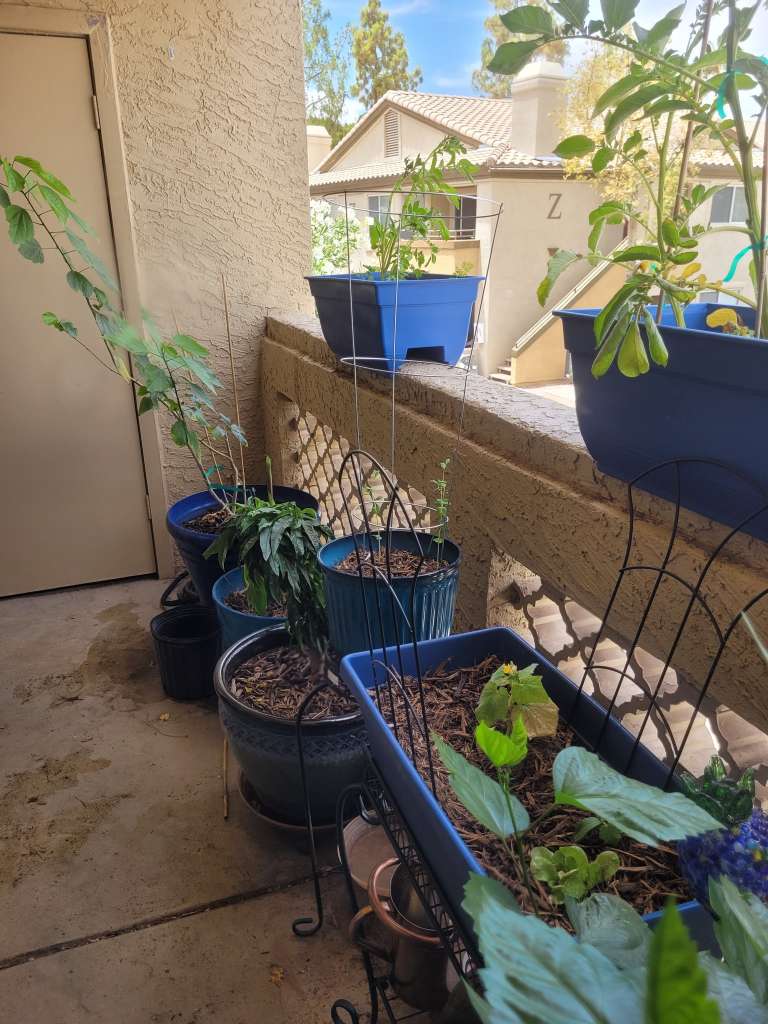
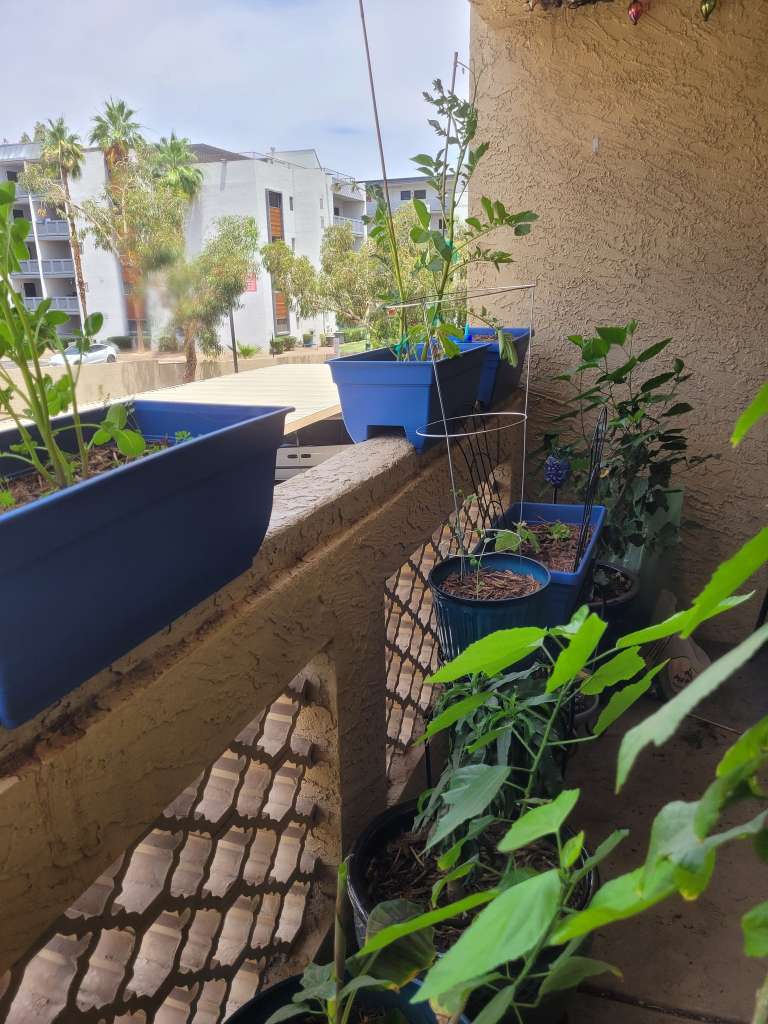
- Balcony or Patio: If you’re lucky enough to have outdoor space, this opens up possibilities for larger plants and containers, like tomatoes or herbs.
- Hanging Planters & Vertical Gardens: If your floor space is limited, look up! Hanging plants or vertical gardens can save space while still allowing you to grow a variety of plants.
- Rooftop or Fire Escape: If you have access to a roof or fire escape, you may be able to expand your gardening efforts beyond the apartment walls.
2. Choose the Right Plants for Your Apartment
The key to success in apartment gardening is selecting plants that thrive indoors. Not all plants will flourish in an indoor environment, so choosing the right varieties is essential.
Best Plants for Indoor Gardens:
- Herbs: Basil, mint, thyme, and parsley are easy to grow and perfect for apartments. They thrive in containers and are great for windowsills.
- Succulents & Cacti: These low-maintenance plants require minimal water and can adapt to low light conditions, making them ideal for apartment living.
- Spider Plants & Pothos: Known for their air-purifying qualities, these plants are hardy and can tolerate a range of light conditions.
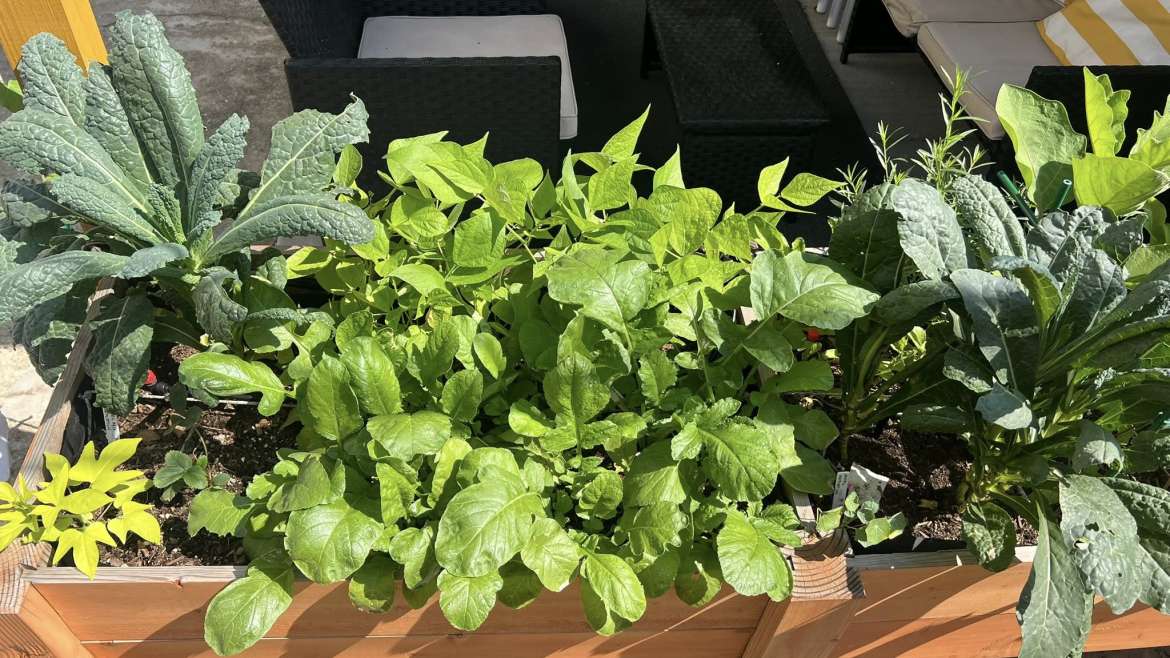
- Leafy Greens: If you want to grow your own food, try spinach, kale, or lettuce. These plants don’t need much space and can grow indoors with sufficient light.
Pro Tip: Pay attention to your apartment’s light conditions. Some plants, like succulents, need direct sunlight, while others, like pothos, thrive in lower light. Consider your space before choosing your plants.
3. Gather Your Gardening Tools and Supplies
You don’t need an entire shed of tools to start gardening in your apartment, but having a few basics on hand will help you create a thriving garden.
- Containers & Pots: Choose pots that are the right size for your plants. Make sure they have drainage holes to prevent overwatering.
- Soil: Use high-quality, well-draining soil for your plants. Look for options designed for indoor gardening, as they usually provide the best drainage.
- Watering Can & Tray: A small watering can helps control the flow of water, and a tray will catch any excess water.
- Fertilizer: Indoor plants need regular feeding. Look for a balanced, water-soluble fertilizer that’s safe for your specific plants.
4. Set Up Your Garden Space
Once you’ve gathered your supplies, it’s time to set up your garden. Here’s how to do it:
- Choose the Best Spot: Place your plants where they will receive the right amount of light, whether it’s a sunny windowsill, under a grow light, or in a shaded corner.
- Organize Your Garden: Arrange your plants based on their light requirements. For example, place sun-loving plants like tomatoes near the window and shade-loving plants like ferns in lower-light areas.
- Watering System: Indoor plants usually require more frequent watering than outdoor plants. Ensure that your plants have proper drainage and water them when the soil feels dry to the touch.
5. Care and Maintenance
The beauty of apartment gardening is that it doesn’t require constant attention. However, there are a few essential care tips to keep in mind:
- Water Regularly: Indoor plants generally need more water than outdoor ones because they’re in a more controlled environment. Be sure to check the soil regularly.
- Prune & Harvest: Keep your plants healthy by trimming dead or yellowing leaves. If you’re growing herbs, harvest them regularly to encourage new growth.
- Repot When Necessary: As your plants grow, they may outgrow their pots. Be sure to repot them in larger containers as needed.
Common Mistakes to Avoid in Apartment Gardening
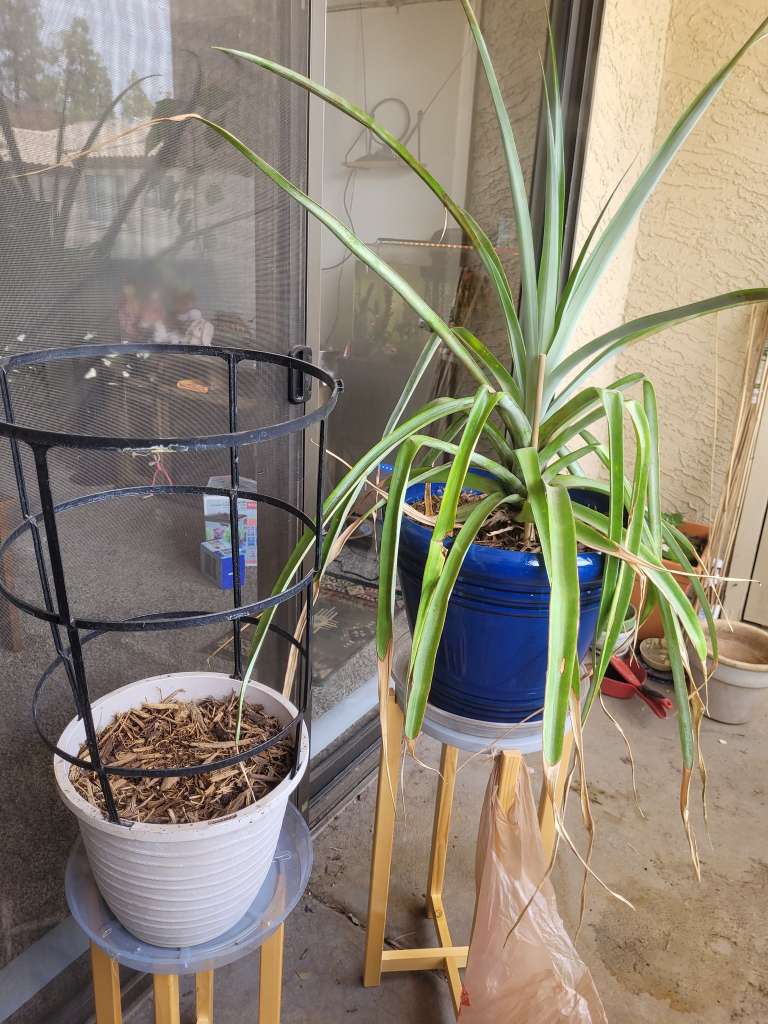
Starting an apartment garden is exciting, but there are a few common pitfalls you’ll want to avoid:
- Overwatering: It’s easy to get carried away with watering, but too much water can drown your plants. Make sure the soil has proper drainage and only water when the soil feels dry.
- Choosing the Wrong Plants: Not every plant is suited for indoor life. Be sure to choose plants that can thrive in low-light or variable light conditions, depending on your space.
- Neglecting Pest Control: Indoor plants can attract pests, like aphids or spider mites. Check your plants regularly and take action quickly if you notice any unwanted visitors.
FAQ’s: Apartment Gardening
Plants like succulents, pothos, spider plants, and herbs are perfect for beginners. They’re easy to care for and don’t require much experience to grow.
Yes, you can! Leafy greens like lettuce, spinach, and herbs are great for apartment gardens. Some vegetables, like tomatoes or peppers, may require more sunlight and space, but they’re still possible in a sunny apartment.
During winter, indoor plants need less water, as the air is often drier. Make sure they’re placed in a spot with enough light and avoid placing them near heat sources, which can dry them out.
Conclusion
Starting an apartment garden is a fun and fulfilling way to bring a touch of nature into your home. Whether you’re growing fresh herbs for cooking or creating a small indoor jungle, there’s no limit to what you can achieve with a little creativity and some basic gardening knowledge. So, grab your pots, pick out your plants, and let your green thumb flourish—even in a tiny apartment!
If you’ve started your own apartment garden, we’d love to hear about your experience! Drop a comment below and share your favorite tips or challenges. And if you’re looking for more gardening advice, don’t forget to sign up for our newsletter for updates on all things green and growing.
Sign up to get our FREE weekly emails
Gardening guides, tips, & videos delivered right to your inbox!