

Growing Jabuticaba in containers offers several benefits, especially for those with limited garden space or non-tropical climates. Containers allow for better control over soil quality, moisture levels, and nutrient availability, which are essential for this slow-growing fruit tree.
In addition to that, container-grown Jabuticaba trees are easier to protect from pests and harsh weather, making it possible to move them indoors or into a greenhouse during colder seasons. Container growth also enables urban gardeners to enjoy the unique, sweet berries of the Jabuticaba, even in apartments or small outdoor spaces, by bringing a taste of the tropics right to their doorstep.
Growing Jabuticaba in Pots
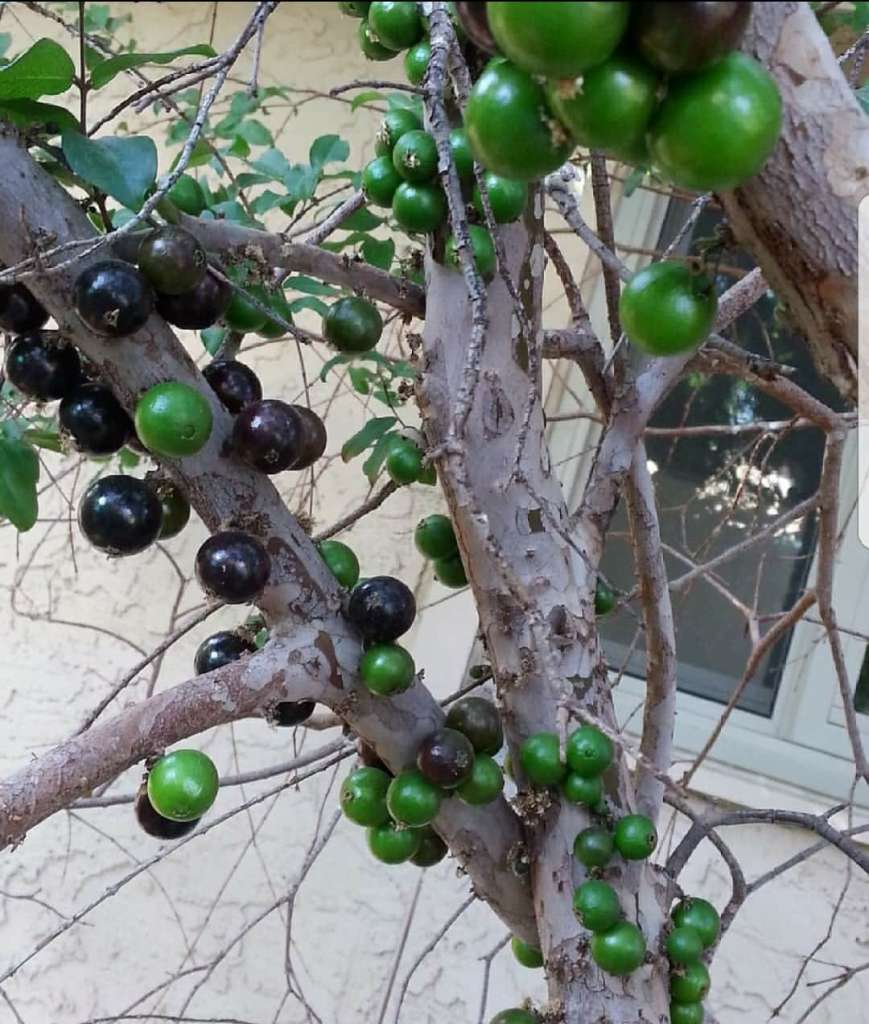
If you ever wondered how to grow your own Jabuticaba tree in a pot, here we provide you with a comprehensive guide to growing jabuticaba in pots. Known for its unique fruit that grows directly on the trunk and branches, the jabuticaba is a delightful addition to any garden, even in smaller spaces, thanks to its suitability for container growing.
1. Choosing the Right Container
- Size: Start with a container that’s at least 18-24 inches in diameter and 18 inches deep. As jabuticaba grows slowly, it can stay in this size container for a few years, but eventually, a 30-gallon container or larger is ideal for mature plants.
- Material: Containers made of clay, ceramic, or plastic work well. Plastic pots retain moisture longer, which can be beneficial for jabuticaba, as it prefers consistent moisture.
- Drainage: Ensure that the container has good drainage holes, as jabuticaba doesn’t tolerate waterlogged soil.
2. Soil Requirements
- Soil Type: Jabuticaba thrives in slightly acidic soil (pH 5.5-6.5). Use a high-quality potting mix that is well-draining yet retains some moisture. You can add peat moss or coconut coir to enhance water retention while maintaining aeration.
- Amendments: Incorporate organic compost or well-rotted manure to enrich the soil. Perlite or sand can be added to improve drainage, especially if the mix feels too dense.
3. Light Conditions
- Sunlight: Jabuticaba prefers full sunlight but can tolerate partial shade. In hot climates, afternoon shade can prevent leaf scorching.
- Indoor/Outdoor Placement: While jabuticaba can be kept indoors in colder climates, ensure it gets at least 6-8 hours of bright, indirect light daily. An east or south-facing window is ideal. Outdoor placement is best when temperatures are suitable.
4. Watering Needs
- Frequency: Jabuticaba requires consistent moisture, so water it regularly to keep the soil evenly moist, but avoid waterlogging. In hot weather, you may need to water daily; in cooler months, adjust to every few days.
- Humidity: If growing indoors, provide extra humidity by misting the plant regularly or placing a humidity tray nearby, as jabuticaba thrives in humid conditions.
5. Fertilization
- Frequency: Feed the plant every 4-6 weeks during the growing season (spring through early fall) with a balanced, slow-release fertilizer, such as a 10-10-10 NPK formula.
- Supplements: Add a soil acidifier or sulfur if the soil becomes too alkaline. Occasional applications of organic fertilizer like fish emulsion or seaweed can improve micronutrient levels.
- Warning: Avoid over-fertilization, as jabuticaba is sensitive to excess nutrients. Dilute liquid fertilizers to half strength for best results.
6. Pruning and Maintenance
- Pruning: Jabuticaba has a natural, bushy growth habit. Prune lightly to shape the tree and remove any dead or damaged branches, especially those growing inward. Pruning encourages airflow and helps reduce disease.
- Cleaning: Keep the container and surrounding area clean to prevent mold and pests.
7. Temperature and Climate
- Temperature Range: Jabuticaba grows best in temperatures between 65°F and 85°F (18°C-29°C). It can tolerate light frost but should be protected or brought indoors in colder climates.
- Winter Care: If you live in a climate with temperatures below freezing, move the container indoors or into a greenhouse during the winter months.
8. Repotting
- Frequency: Every 2-3 years or when roots become visible at the soil surface or through drainage holes, transplant jabuticaba to a larger pot.
- Repotting Process: Use fresh soil when repotting, and gently loosen the root ball. Trim any circling roots to encourage healthy growth in the new container.
9. Pollination and Fruit Production
- Pollination: Jabuticaba trees are self-pollinating, meaning you only need one tree for fruit production.
- Fruit Timing: In containers, jabuticaba may take 5-8 years to start producing fruit. Regular care and optimal conditions can encourage earlier fruiting.
- Fruit Harvest: The fruit ripens quickly after flowering, often within 3-4 weeks. Pick fruit when it’s dark purple and slightly soft to the touch.
10. Pest and Disease Management
- Pests: Jabuticaba is generally pest-resistant but may occasionally attract aphids, scale, or spider mites, especially indoors. Use insecticidal soap or neem oil to manage infestations.
- Diseases: Root rot can occur if the soil stays too wet. Leaf spots and mildew may develop in overly humid, stagnant conditions. Ensure good air circulation and avoid excessive watering.
FAQ
Yes, Jabuticaba trees can thrive in pots, especially when provided with the right soil, pot size, and care. They grow slower in pots, which makes them easier to manage in smaller spaces.
Jabuticaba trees thrive in full sun but can also tolerate partial shade. Place your potted tree in a location with at least 4–6 hours of direct sunlight daily.
Fruiting depends on the variety and care. Seed-grown trees take longer (up to 8–10 years) to fruit, while grafted or air-layered trees may produce fruit within 3–5 years. Regular pruning and care can help encourage flowering and fruiting.
Prune to maintain shape and size, and remove any dead or overcrowded branches. Pruning helps with air circulation, reducing the risk of disease and encouraging new growth.
While it’s possible, Jabuticaba trees prefer outdoor conditions. If kept indoors, they need a bright spot with plenty of sunlight. Consider supplementing with grow lights if natural light is insufficient.
Sign up to get our FREE weekly emails
Gardening guides, tips, & videos delivered right to your inbox!


