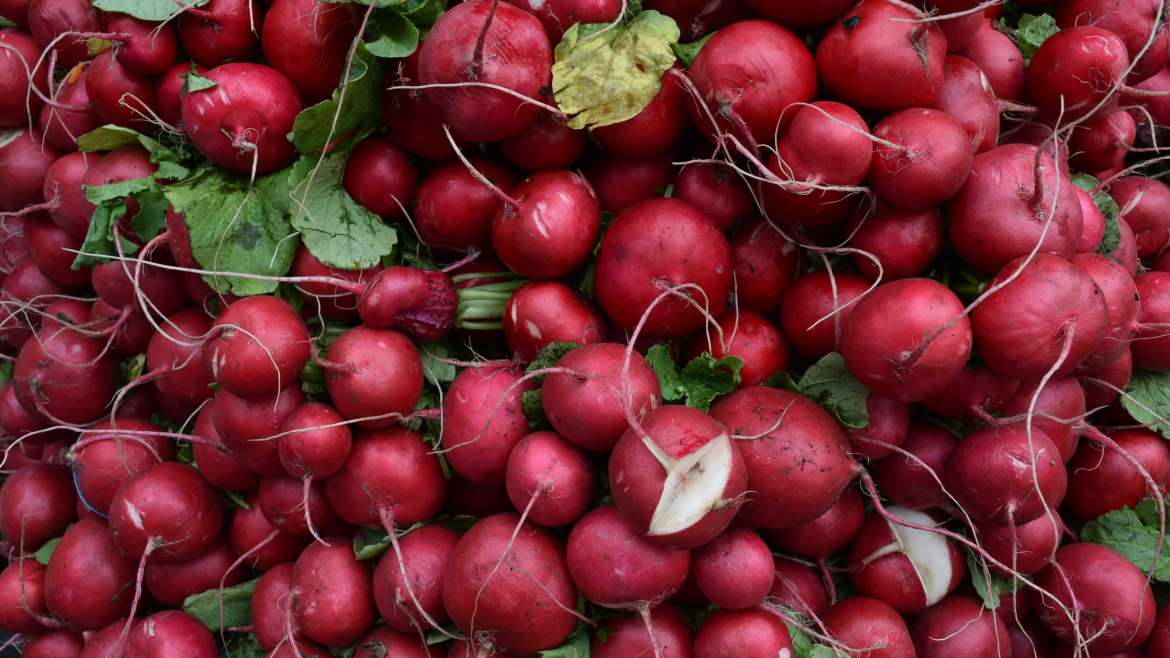
Growing radishes in containers provides so many benefits, making it an ideal option for gardeners with limited space or poor soil conditions.
Containers provide greater control over the growing environment, allowing for optimal soil quality, moisture retention, and protection from pests.
Radishes grow quickly, and their small size makes them perfect for container gardening, where they thrive in shallow pots.
Also, growing in containers allows gardeners to move the plants to ensure they get enough sunlight and to extend the growing season by bringing them indoors when temperatures drop.
How to Grow Radishes in Containers
Radishes are one of the easiest vegetables to grow in containers. They grow quickly, are space-efficient, and offer a rewarding harvest of crisp, flavorful roots.
Whether you’re a seasoned gardener or a beginner, this guide will walk you through the steps to successfully grow radishes in containers.
1. Choosing the Right Radish Variety
Before planting, choose the radish variety that best suits your growing conditions and taste preferences. Here are some popular varieties for container gardening:
- Cherry Belle: A quick-growing, small red radish perfect for containers.
- French Breakfast: An elongated, mild radish with a slightly spicy flavor.
- Watermelon Radish: A large radish with a green exterior and pink interior.
- Daikon Radish: A longer, milder radish that requires deeper containers.
2. Selecting the Right Container
Radishes need enough space to grow their roots properly, so choosing the right container is crucial.
- Depth: Choose a container that’s at least 6-8 inches deep for small varieties like Cherry Belle and 12 inches or more for larger varieties like Daikon.
- Width: The wider the container, the more radishes you can grow. A rectangular planter is ideal for maximizing space.
- Drainage: Ensure your container has drainage holes to prevent waterlogging, as radishes do not thrive in soggy soil.
3. Soil Preparation
Radishes grow best in loose, well-draining soil that’s rich in organic matter.
- Soil mix: Use a light potting mix or make your own by combining equal parts of compost, peat moss (or coco coir), and perlite or sand for drainage.
- pH: Radishes prefer slightly acidic to neutral soil with a pH of 6.0-7.0.
- Fertilization: Radishes don’t need a lot of fertilizer. Adding compost before planting provides all the nutrients they need. Avoid high-nitrogen fertilizers, as they can lead to lush greens and poor root development.
4. Planting Radishes
Radishes can be sown directly in the container, as they don’t transplant well.
- Timing: Radishes are a cool-season crop. Plant in early spring or fall when temperatures range between 50°F-70°F (10°C-21°C). You can also plant radishes every two weeks for continuous harvests.
- Sowing seeds: Scatter seeds about ½ inch deep and 1 inch apart in rows or blocks in the container. Cover with a thin layer of soil.
- Thinning: After seedlings emerge (usually within a week), thin them to about 2 inches apart for small radishes and 4-6 inches apart for larger varieties. This ensures each plant has enough room to develop.
5. Watering
Radishes need consistent moisture for proper growth.
- Watering frequency: Keep the soil evenly moist but not soggy. Water when the top inch of soil feels dry. In containers, radishes may need more frequent watering as they can dry out faster than garden beds.
- Avoid overwatering: Too much water can cause the roots to rot or the radishes to crack.
6. Sunlight Requirements
Radishes grow best in full sun, but they can tolerate partial shade.
- Sunlight: Place your container in a spot that gets at least 6 hours of direct sunlight daily. Radishes can tolerate light shade, especially in hotter climates, but too much shade can result in smaller roots.
7. Care and Maintenance
Radishes are low-maintenance but require some attention to ensure a healthy crop.
- Mulching: Add a thin layer of organic mulch like straw or compost to help retain soil moisture and keep the roots cool.
- Pests: Common pests include aphids, flea beetles, and root maggots. If you spot pests, use organic insecticidal soap or neem oil.
- Companion planting: You can plant radishes with lettuce, spinach, or herbs like cilantro to maximize container space and deter pests.
8. Harvesting Radishes
One of the best things about radishes is how quickly they mature.
- Harvest time: Most radishes are ready for harvest 20-30 days after planting. Daikon and other large varieties may take up to 60 days.
- Signs of readiness: Radishes are ready when the root is about 1 inch in diameter or based on the expected size of the variety you’re growing. You can gently brush aside the soil to check the size of the roots.
- Harvesting: To harvest, simply pull the radishes out by their tops. If left in the soil too long, radishes can become woody and overly spicy.
9. Succession Planting
Radishes are ideal for succession planting, meaning you can plant a new batch every 2-3 weeks for a continuous harvest.
- Rotation: After harvesting, replant new seeds in the same container. Make sure to replenish the soil with compost to maintain nutrients.
Tips for Success
- Don’t let them get too hot: Radishes are a cool-weather crop. High temperatures can cause them to bolt (go to seed) and become bitter.
- Keep them growing fast: Slow growth leads to woody, less flavorful radishes. Maintain proper moisture and sunlight to ensure steady growth.
- Try growing indoors: You can grow radishes indoors with the right setup. Ensure they get enough sunlight, either from a sunny window or grow lights.
Growing Radishes in Containers: FAQ
A container at least 6-8 inches deep is ideal for radishes. The width depends on how many radishes you plan to grow, but they need about 2-3 inches of space between each plant.
Radishes prefer consistent moisture. Water when the top inch of soil feels dry, but avoid overwatering, which can cause root rot.
Yes, radishes can be grown indoors if they receive enough light. A sunny window or grow lights will be necessary for optimal growth.
This could be due to overcrowding, too much nitrogen in the soil, or lack of sunlight. Ensure proper spacing, balanced soil nutrients, and adequate light.
Sign up to get our FREE weekly emails
Gardening guides, tips, & videos delivered right to your inbox!