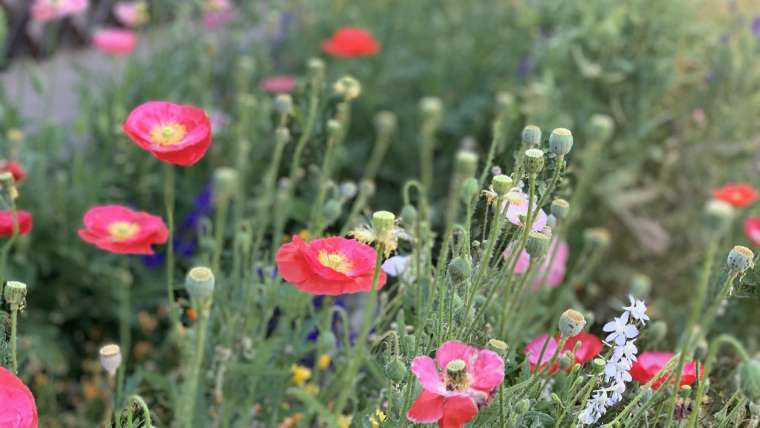
Companion planting is an age-old gardening practice that involves strategically placing plants together to enhance their growth, health, and yield.
Whether you’re a beginner or a seasoned gardener, choosing the right companions can help your garden thrive by naturally deterring pests, enriching the soil, and encouraging pollination.
The Best Companion Plants for Every Garden
Companion planting enhances the health and productivity of your garden by pairing plants that benefit each other. For example, basil helps repel pests from tomatoes, while beans fix nitrogen in the soil to support leafy greens.
Selecting the right companion plants can improve soil quality, reduce the need for pesticides, and promote stronger, more resilient plants. Here are 10 perfect companion plants to consider for a flourishing garden.
1. Tomatoes and Basil
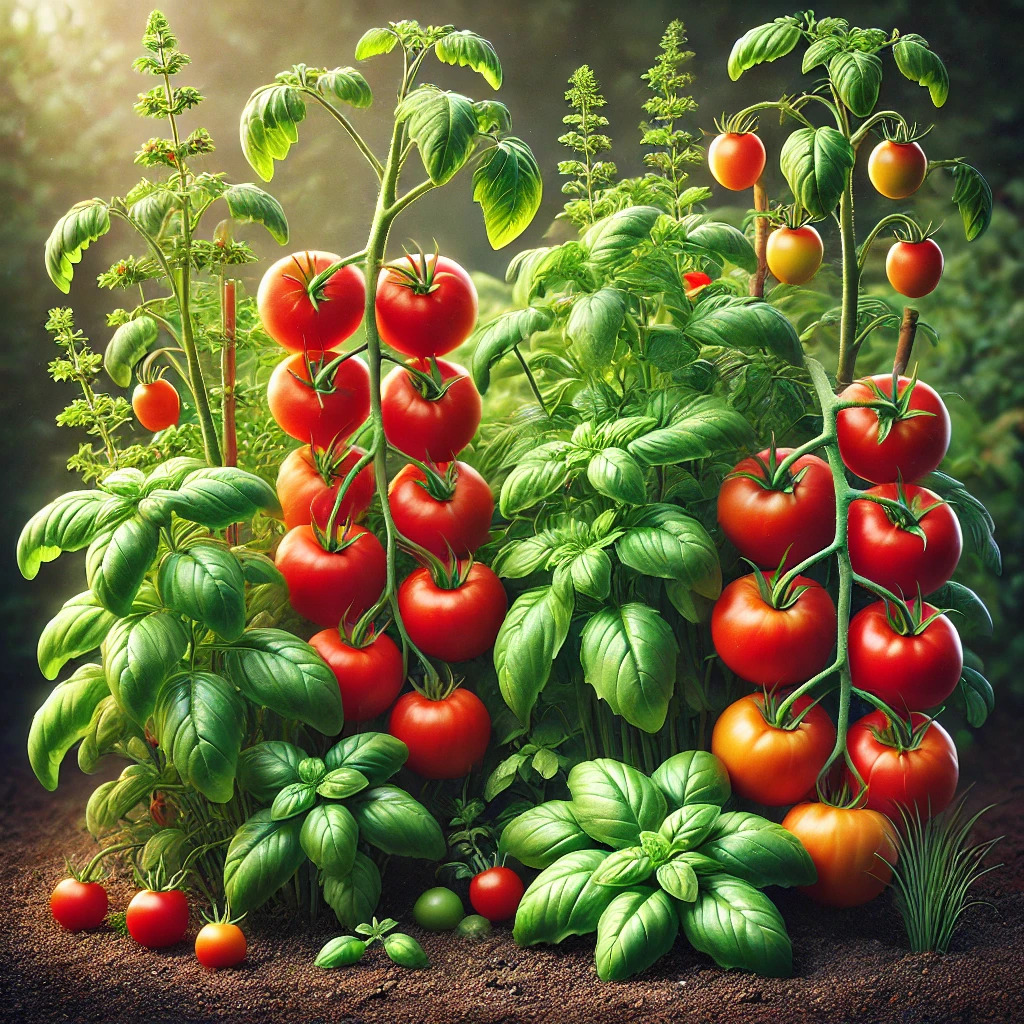
Tomatoes and basil make an iconic pair. Basil is known to repel insects like aphids, flies, and mosquitoes, which can wreak havoc on tomato plants. In return, the shade from tomato plants helps basil thrive in hot climates.
Additionally, the two share a flavor affinity, making them ideal companions in the garden and on the plate!
2. Carrots and Onions
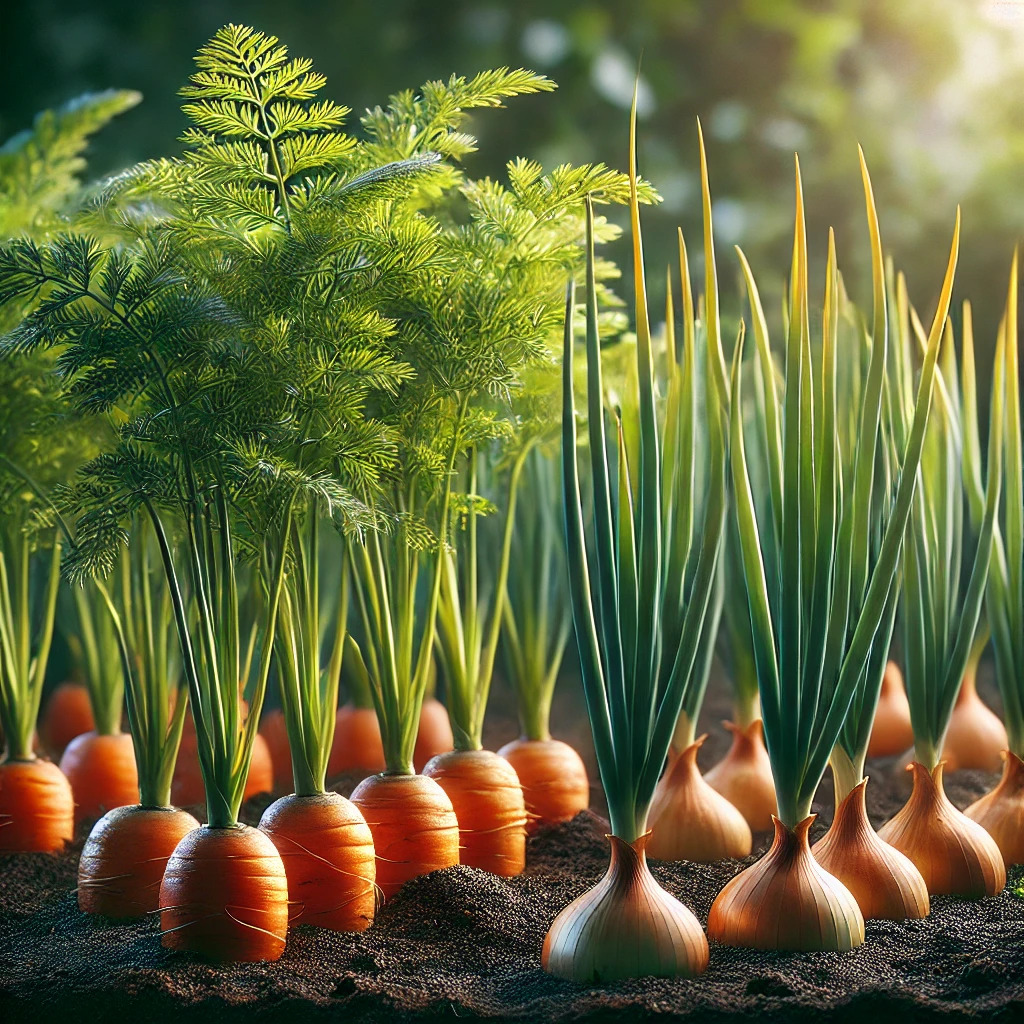
Carrots and onions complement each other well because they target different pests. Carrots are susceptible to carrot flies, while onions repel them.
In turn, carrots can help loosen the soil, making it easier for onion bulbs to grow. This dynamic duo maximizes garden space while reducing pest problems.
3. Beans and Corn

Beans are nitrogen-fixers, meaning they help restore nitrogen levels in the soil. Corn, on the other hand, is a heavy feeder that depletes nitrogen quickly. By growing them together, you create a sustainable, nutrient-rich environment.
Additionally, the corn stalks provide natural support for climbing bean plants, reducing the need for trellises.
4. Cucumbers and Nasturtiums
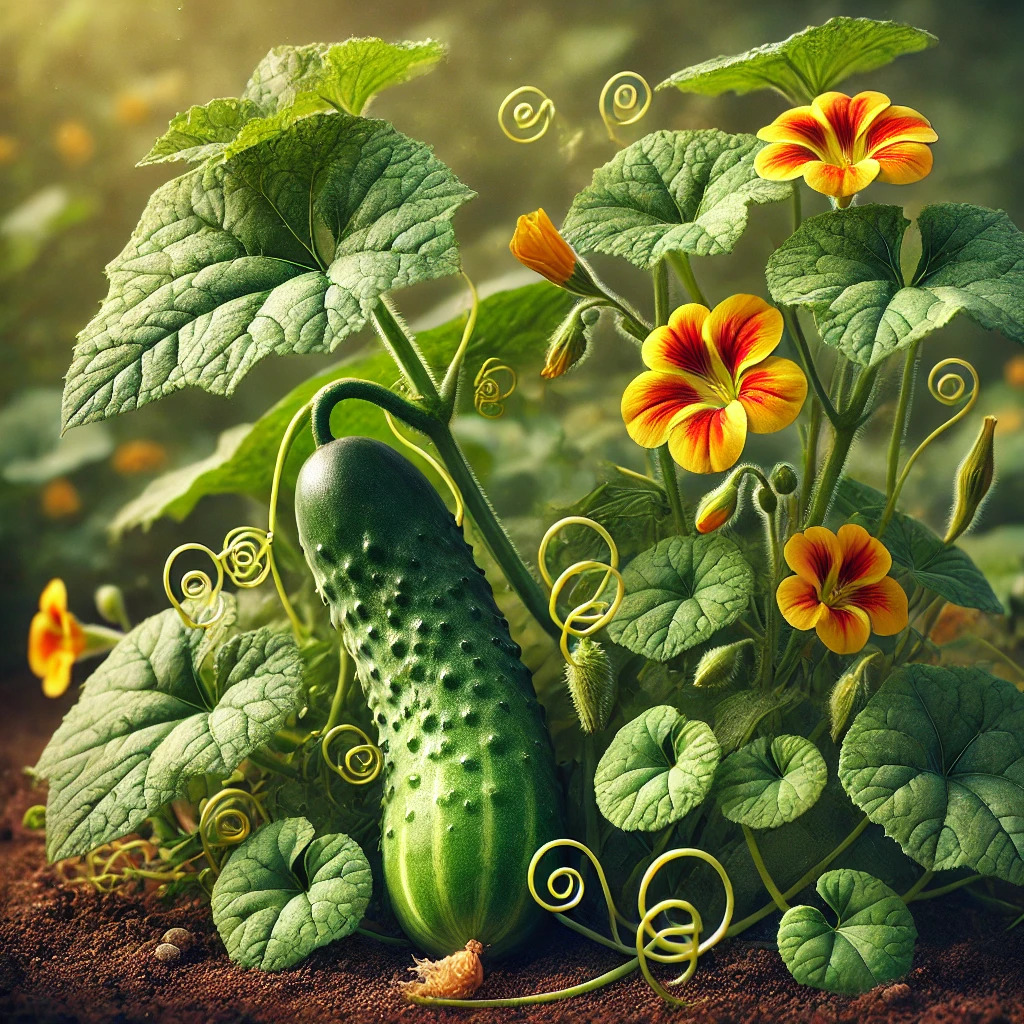
Nasturtiums act as a trap crop for aphids and other pests, drawing them away from your cucumber plants.
Not only do they serve as a colorful addition to your garden, but they also help protect cucumbers from damage. Plus, nasturtiums attract beneficial pollinators that improve cucumber production.
5. Squash and Marigolds
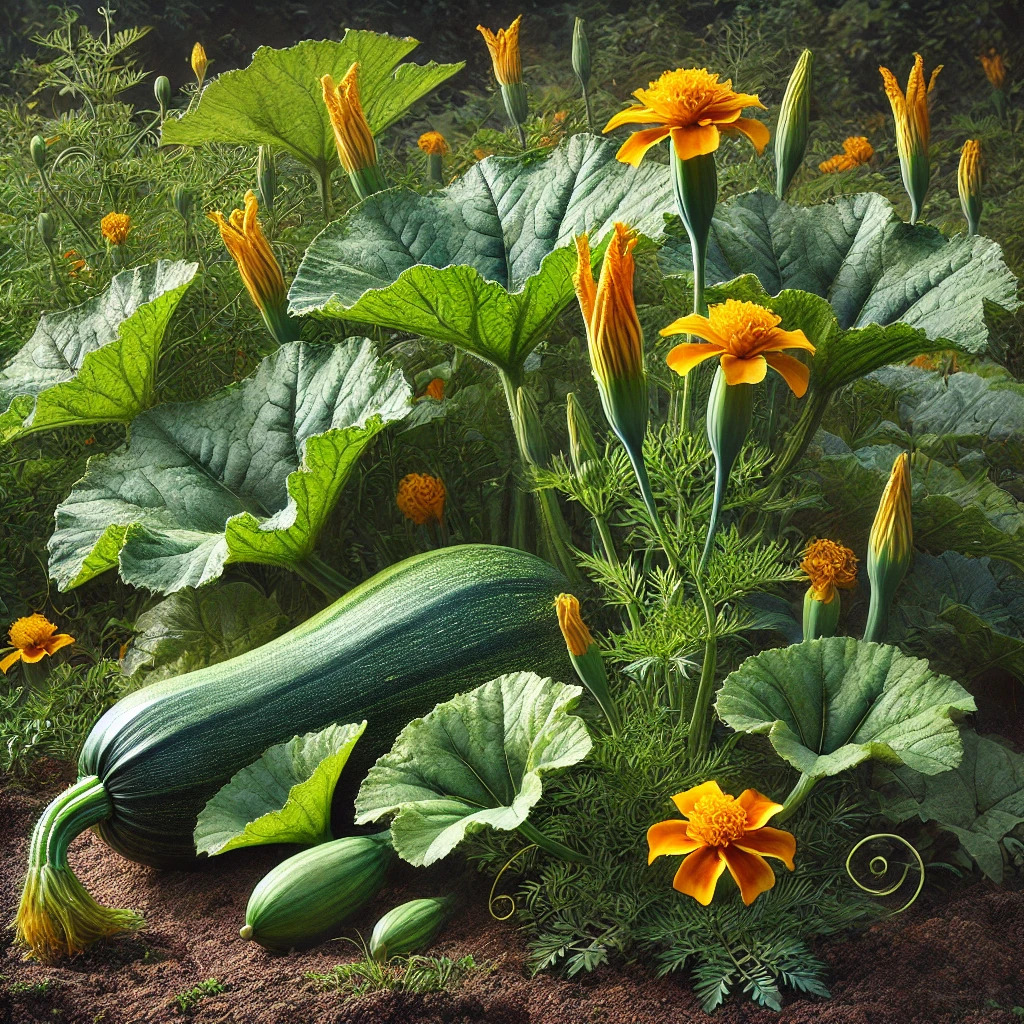
Marigolds are known for their ability to repel nematodes and various insects. Planting them alongside squash can protect your garden from common squash pests like beetles.
Marigolds also bring bright color to the garden, making this duo a practical and aesthetic choice.
6. Peppers and Oregano
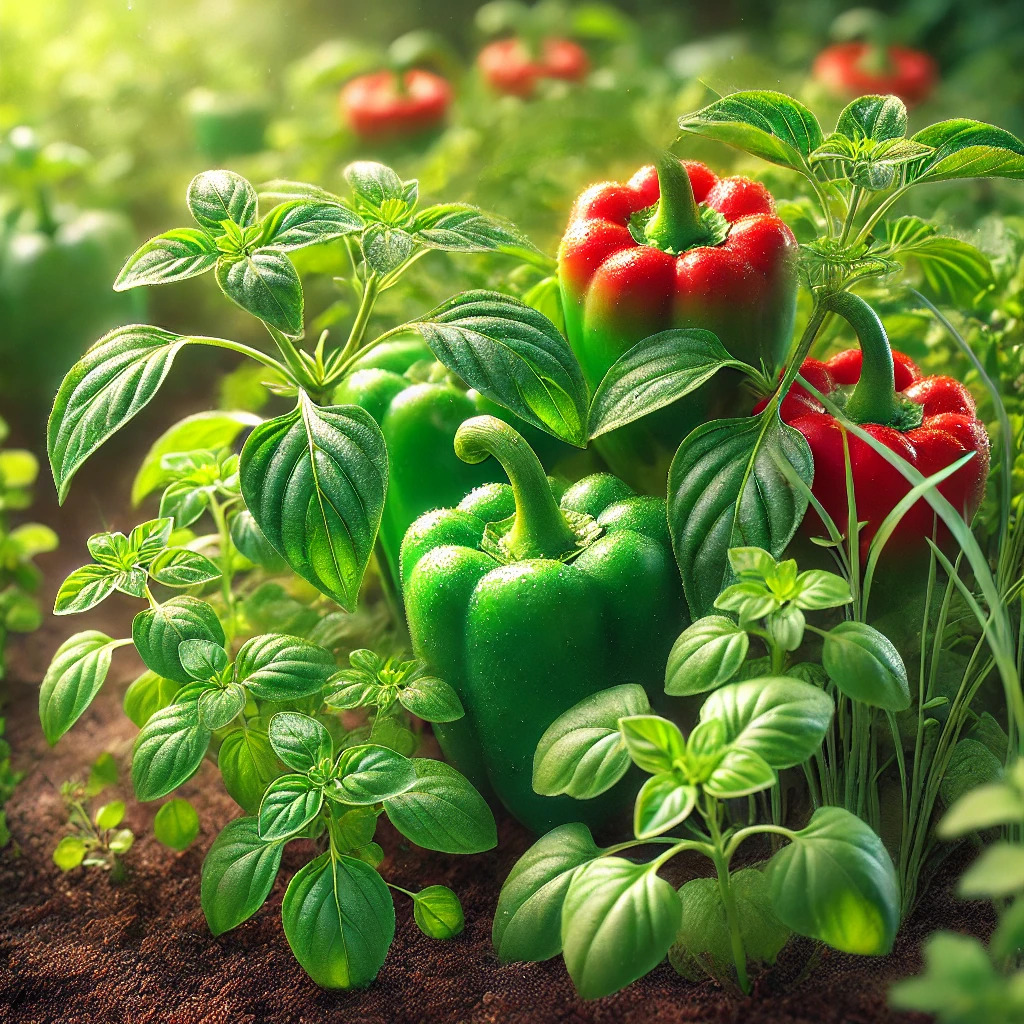
Peppers and oregano thrive together, with oregano acting as a natural ground cover that helps to deter harmful insects like aphids.
Its strong scent confuses pests that would otherwise be attracted to pepper plants. Oregano also attracts pollinators, which can improve fruit production.
7. Lettuce and Radishes
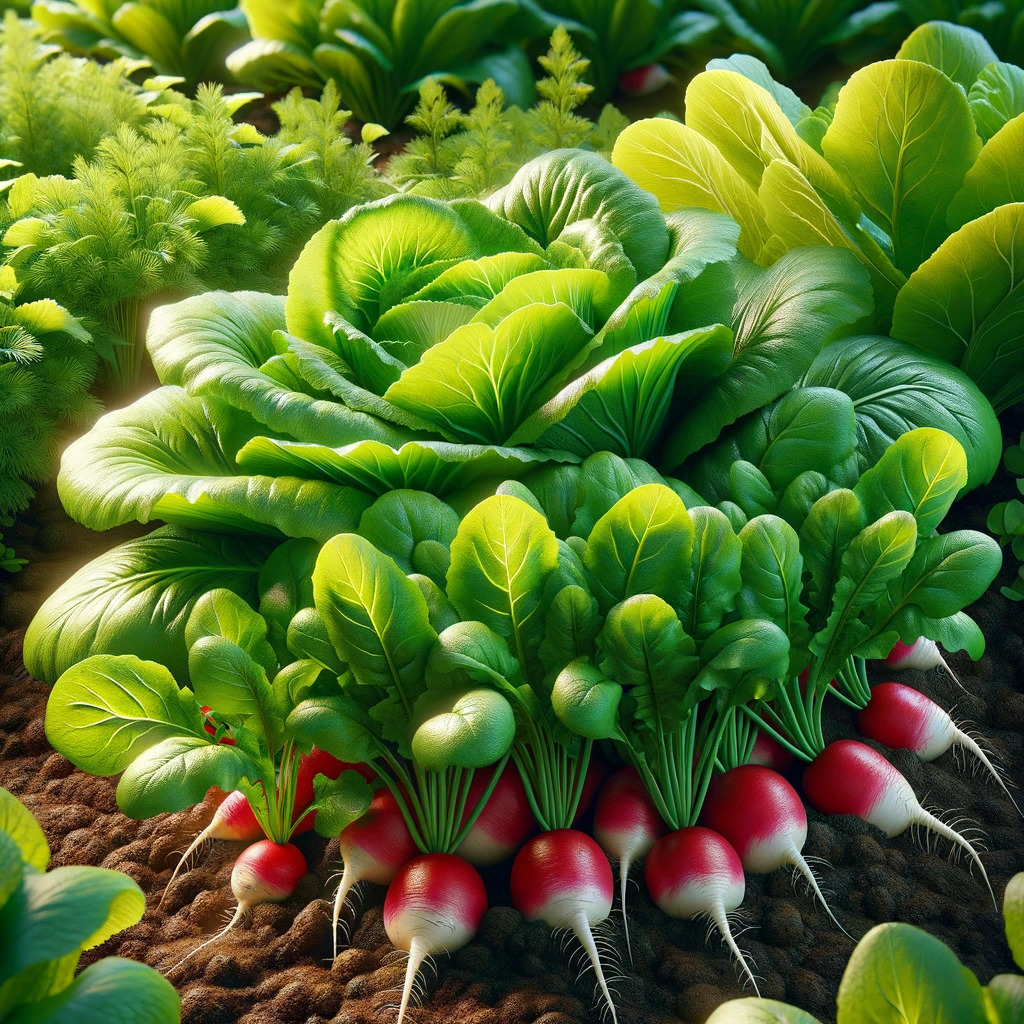
Lettuce and radishes benefit from being grown together as they both have fast-growing habits. Radishes can break up the soil, allowing lettuce roots to grow deeper.
Additionally, the shade provided by fast-growing lettuce helps protect radish bulbs from extreme heat, promoting better growth.
8. Cabbage and Dill
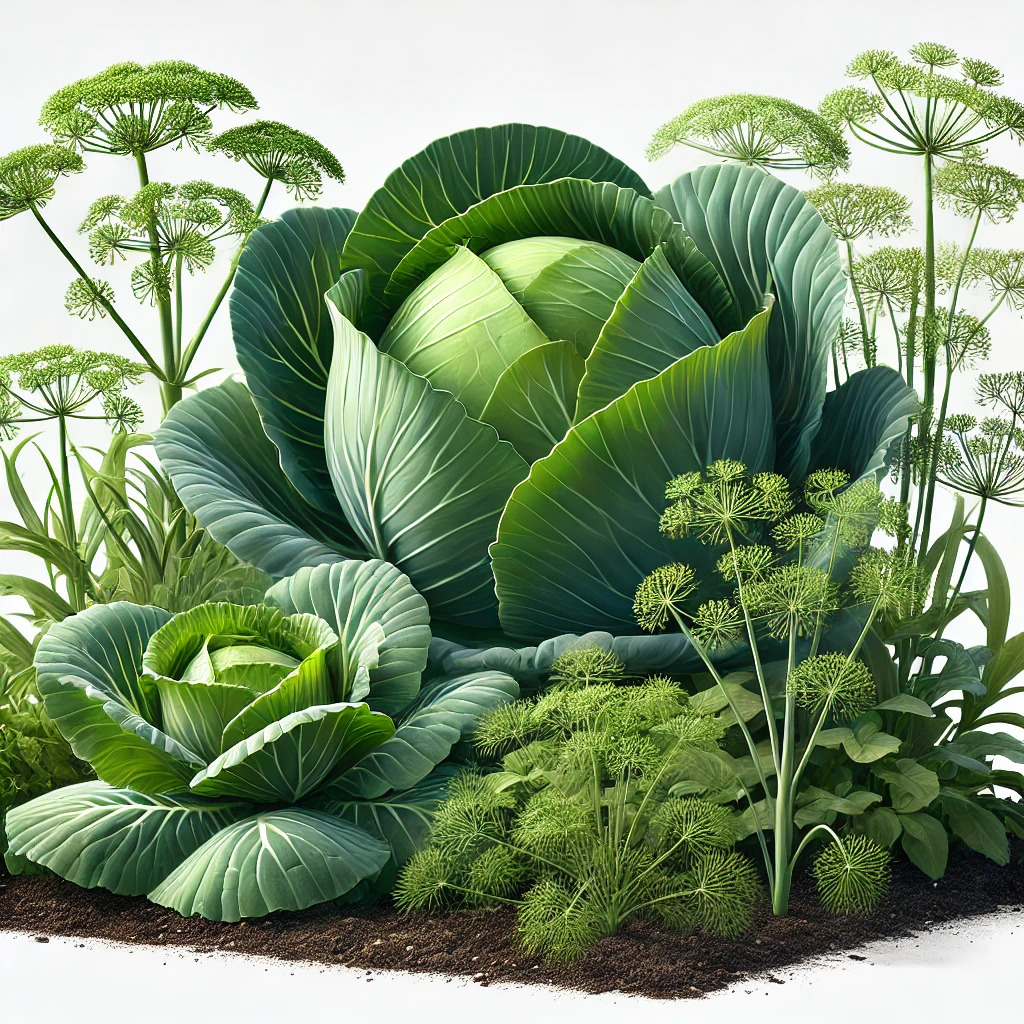
Cabbage and dill make an excellent pairing because dill attracts beneficial insects like predatory wasps and ladybugs that prey on cabbage pests such as cabbage worms.
Dill’s feathery foliage also complements the dense leaves of cabbage, creating visual interest in the garden.
9. Spinach and Strawberries
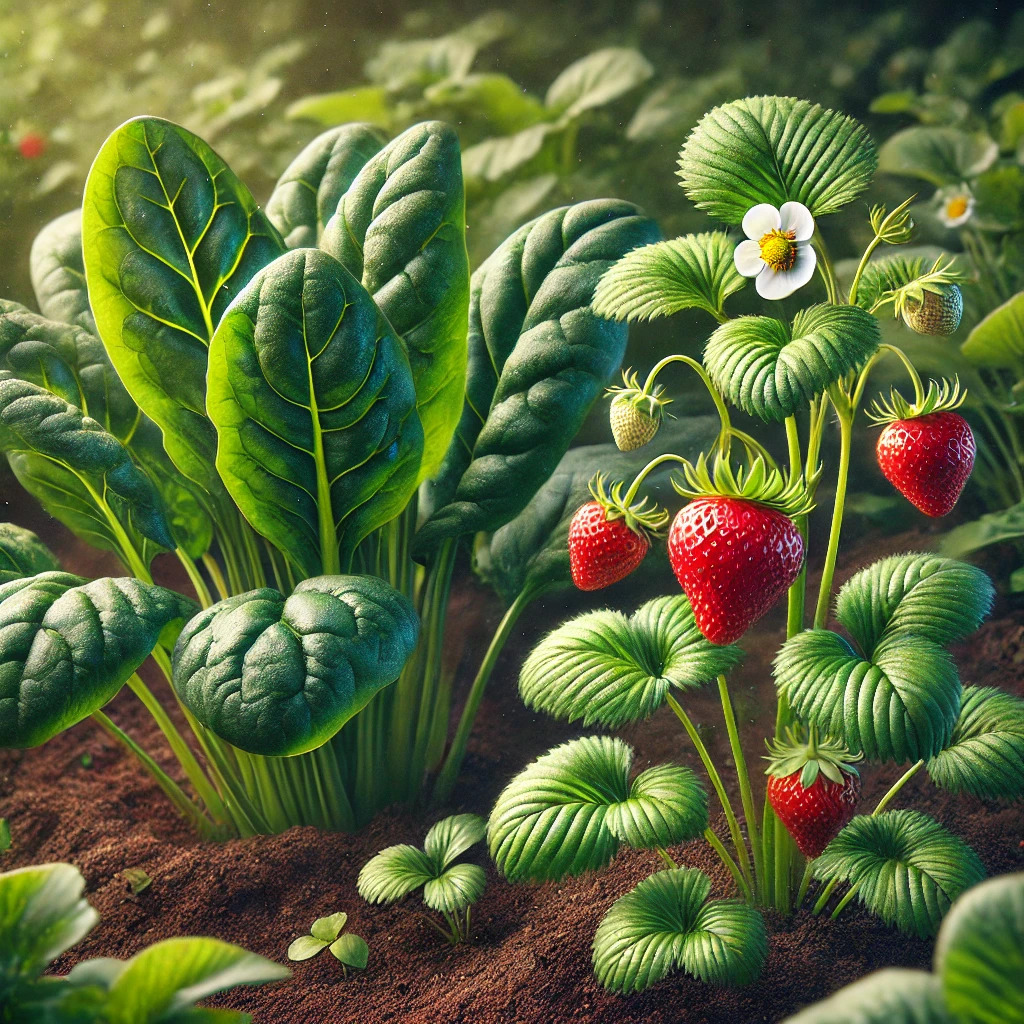
Spinach and strawberries work well together as spinach helps shade the soil, reducing moisture loss and keeping strawberries hydrated.
Additionally, strawberries provide a ground cover that helps prevent weeds, making it easier to maintain your spinach crop.
10. Broccoli and Chamomile
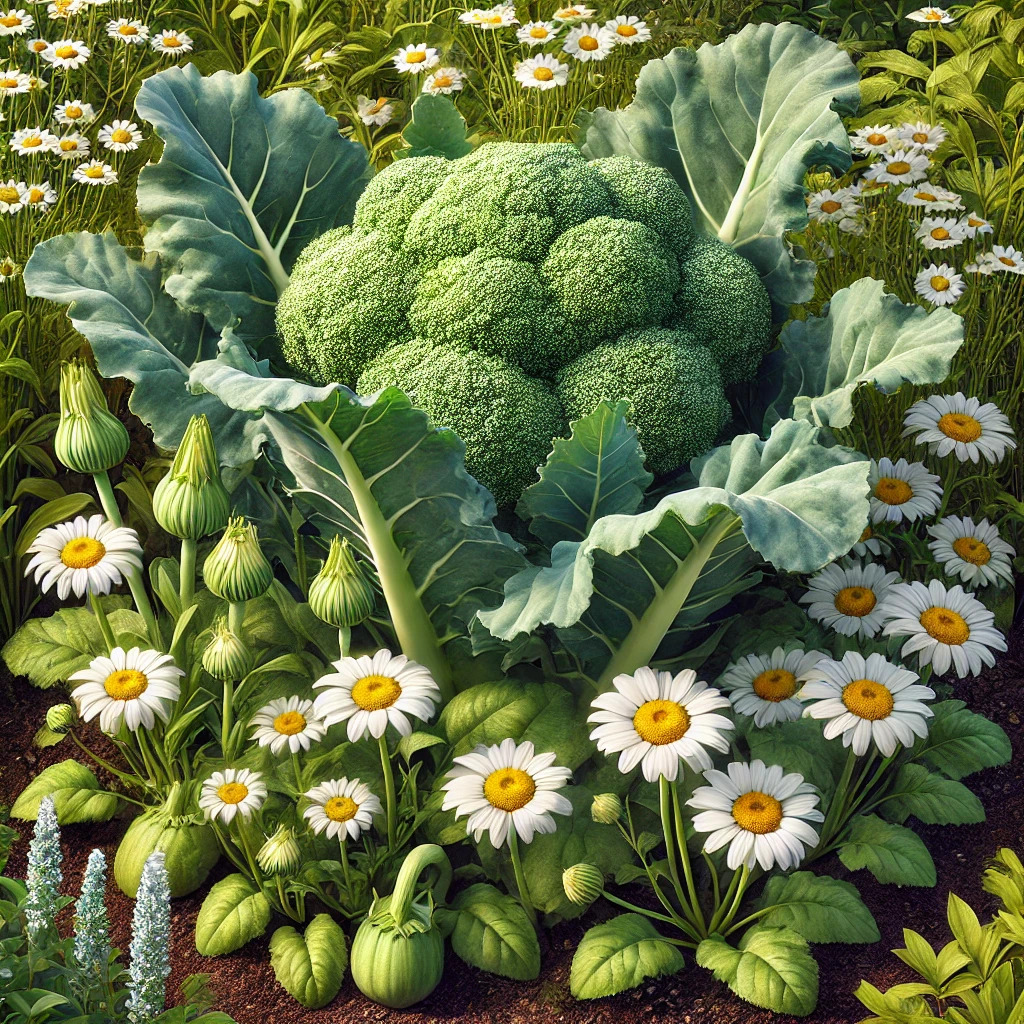
Chamomile‘s fragrant flowers attract beneficial insects and pollinators, which can improve the overall health of your broccoli plants.
Chamomile also enhances the flavor of nearby crops, and its shallow root system doesn’t compete for nutrients, making it a great companion for broccoli.
FAQ
Companion plants are different species of plants that are grown close to each other to enhance growth, repel pests, attract beneficial insects, or improve crop yields.
Companion planting can help reduce the need for chemical pesticides, improve plant health, and increase garden productivity by creating natural synergies between plants.
Yes, plants can communicate in various ways, though not in the same sense as humans. Research has shown that plants can exchange information through chemical signals, electrical impulses, and even sounds.
Some classic examples of top companion plants include planting basil with tomatoes to improve flavor and deter pests, marigolds with vegetables to repel insects, and beans with corn, where the beans fix nitrogen in the soil while the corn provides support.
Final Thoughts
By practicing companion planting, you can create a more resilient, productive, and beautiful garden. These plant pairings work together to optimize space, naturally ward off pests, and improve soil health, ensuring that your garden remains healthy and thriving all season long.
Try these combinations in your garden, and enjoy the rewards of a well-planned, eco-friendly approach to growing your own food!
Sign up to get our FREE weekly emails
Gardening guides, tips, & videos delivered right to your inbox!