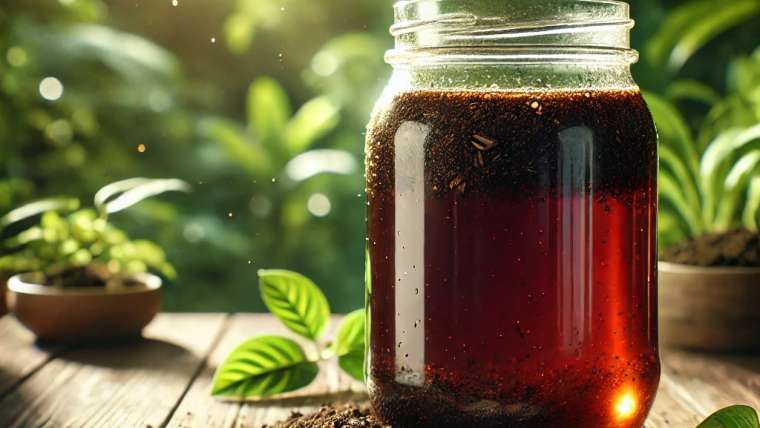
In the world of gardening, achieving lush, healthy plants without relying on synthetic chemicals is a rewarding pursuit. One of the best ways to nurture your garden naturally is by using liquid organic fertilizers.
These fertilizers provide a nutrient-rich boost to your plants, promoting strong growth, vibrant blooms, and bountiful harvests. The best part? You can easily make them at home using simple, everyday ingredients.
Let’s dive into the world of DIY liquid organic fertilizers and explore how you can create your own garden elixirs.
Why Choose Liquid Organic Fertilizers?

Liquid organic fertilizers are a fantastic choice for gardeners who want to keep their plants healthy while minimizing environmental impact.
Unlike synthetic fertilizers, which can leach into the soil and harm beneficial organisms, organic fertilizers work in harmony with the ecosystem.
They improve soil health, enhance microbial activity, and provide a slow-release of nutrients that plants can absorb easily.
The Benefits of DIY Liquid Fertilizers
Making your own liquid fertilizers at home has several advantages:
- Cost-Effective: You can make these fertilizers using kitchen scraps, weeds, and other natural materials, saving you money on commercial products.
- Customizable: Tailor your fertilizer to the specific needs of your plants by adjusting the ingredients and their ratios.
- Environmentally Friendly: DIY fertilizers reduce waste and avoid the use of synthetic chemicals that can pollute soil and water sources.
Essential Ingredients for DIY Liquid Organic Fertilizers
Before we dive into the recipes, let’s look at some common ingredients used in DIY liquid fertilizers:
- Compost: Rich in nutrients, compost tea is a great base for any liquid fertilizer.
- Weeds: Weeds like dandelions, comfrey, and nettles are nutrient-dense and can be used to create potent fertilizers.
- Kitchen Scraps: Vegetable peelings, coffee grounds, and eggshells are excellent sources of nutrients like nitrogen, potassium, and calcium.
- Manure: Aged manure from herbivores (like cows, horses, or rabbits) is rich in nitrogen and other essential nutrients.
DIY Liquid Fertilizer Recipes
1. Compost Tea
Ingredients:
- 1 part mature compost
- 5 parts water
Instructions:
- Place the compost in a large container, like a bucket or barrel.
- Add water and stir well.
- Let the mixture steep for 24 to 48 hours, stirring occasionally.
- Strain the liquid to remove solid particles.
- Dilute the tea to a ratio of 1:10 (1 part compost tea to 10 parts water) before applying it to your plants.
Benefits: Compost tea is a balanced fertilizer that provides a broad spectrum of nutrients, enhancing soil health and promoting vigorous plant growth.
2. Weed Tea
Ingredients:
- A bucket full of weeds (like dandelions, comfrey, nettles)
- Water to cover
Instructions:
- Place the weeds in a large bucket and cover them with water.
- Cover the bucket with a lid or cloth and let it sit for 2 to 4 weeks, stirring occasionally.
- Strain the liquid and dilute it to a ratio of 1:10 with water.
- Apply the weed tea to your plants, focusing on the base of the plants.
Benefits: Weed tea is rich in nitrogen and other essential nutrients, making it a powerful growth booster for leafy greens and other nitrogen-loving plants.
3. Banana Peel Fertilizer
Ingredients:
- 3-4 banana peels
- 1 liter of water
Instructions:
- Cut the banana peels into small pieces and place them in a jar.
- Fill the jar with water, covering the peels completely.
- Let the mixture sit for 3 to 5 days, then strain the liquid.
- Dilute the banana peel tea with water (1:5 ratio) before applying it to your plants.
Benefits: Banana peels are rich in potassium, which helps strengthen plants, improve flowering, and increase fruit production.
4. Eggshell Fertilizer
Ingredients:
- 10-20 eggshells
- 1 gallon of water
Instructions:
- Rinse the eggshells and let them dry.
- Crush the eggshells into small pieces and add them to a pot of boiling water.
- Let the mixture cool and steep for 24 hours.
- Strain the liquid and use it undiluted around the base of your plants.
Benefits: Eggshell tea is an excellent source of calcium, helping to prevent blossom end rot in tomatoes and other calcium-deficient plants.
5. Coffee Ground Fertilizer
Ingredients:
- 1 cup of used coffee grounds
- 5 gallons of water
Instructions:
- Place the used coffee grounds in a bucket.
- Add water and stir well.
- Let the mixture sit for a few hours or overnight.
- Strain the liquid and dilute it with water (1:10 ratio) before using.
Benefits: Coffee grounds add nitrogen to the soil and slightly acidify it, making this fertilizer ideal for acid-loving plants like roses, azaleas, and blueberries.
How to Apply Liquid Organic Fertilizers
Applying liquid organic fertilizers is simple. Water your plants with the diluted mixture, focusing on the root zone.
For foliar feeding, use a spray bottle to mist the leaves, preferably in the early morning or late afternoon to avoid sunburn. Regular applications every 2-4 weeks will keep your plants thriving.
Where to Buy Liquid Organic Fertilizers
You can find liquid fertilizers at various retailers, including gardening stores, home improvement stores, and online platforms like Amazon. Below are the most recommended options available online on Amazon:
- Neptune’s Harvest Organic Hydrolized Fish & Seaweed Fertilizer – This liquid fertilizer combines fish and seaweed, providing a balanced blend of macro and micronutrients. It promotes strong root growth, improves soil health, and enhances the overall health of plants.
- Espoma Organic Grow! Liquid Plant Food – Espoma’s liquid fertilizer is designed for use with all types of plants, including vegetables, flowers, and houseplants. It is derived from fish emulsion and other natural ingredients.
- Dr. Earth Pure Gold All-Purpose Fertilizer – This fertilizer is made from fish-based ingredients and other natural materials, designed to promote vigorous growth and enhance flowering and fruiting.
- Safer Brand 9333 Ringer Lawn Restore – Although primarily marketed for lawns, this liquid fertilizer is organic and can be used for other garden applications. It promotes healthy growth without the use of synthetic chemicals.
These options are highly rated on Amazon and are well-regarded by gardeners for their effectiveness and organic composition.
Organic Liquid Fertilizers FAQ
Organic liquid fertilizers are plant nutrients derived from natural sources, such as compost, fish emulsion, seaweed, or plant extracts. They are in liquid form, making them easy to apply to plants, either by foliar spraying or soil drenching.
Unlike synthetic fertilizers, which are chemically manufactured, natural liquid fertilizers are made from natural materials.
Liquid fertilizers improve soil structure, increase beneficial microbial activity, and enhance the long-term health of plants. They are environmentally friendly, reducing the risk of chemical runoff and pollution.
The frequency depends on the type of plants you are growing and the specific fertilizer. Generally, application can range from every 2 to 4 weeks during the growing season. Always follow the instructions provided on the product label.
Most organic liquid fertilizers are safe for a wide range of plants, including vegetables, fruits, flowers, and houseplants.
Yes, liquid fertilizers can be used in hydroponic systems, but they may require additional filtration and monitoring due to their organic matter content.
Store organic liquid fertilizers in a cool, dry place, away from direct sunlight. Make sure the container is sealed tightly to prevent contamination and degradation. Check the product label for specific storage instructions.
One potential drawback is the slower release of nutrients compared to synthetic options. Additionally, organic fertilizers may have a shorter shelf life and can sometimes emit strong odors.
Conclusion
DIY liquid organic fertilizers are an easy and sustainable way to nourish your garden. With just a few simple ingredients, you can create powerful plant boosters that promote healthy growth and bountiful harvests.
So why not give it a try? Your garden (and your wallet) will thank you!
Sign up to get our FREE weekly emails
Gardening guides, tips, & videos delivered right to your inbox!