To ensure your garden thrives, it’s important to learn about mulching mistakes to avoid.
Mulching is one of the most effective ways to maintain a healthy garden. It conserves moisture, suppresses weeds, regulates soil temperature, and enhances the overall appearance of your garden.
However, when done incorrectly, mulching can cause more harm than good. Here are some common mulching mistakes you should avoid to ensure your plants and garden thrive.
Mulching Mistakes to Avoid
Avoiding mulching mistakes is crucial for the health and growth of your plants. Incorrect mulching, such as applying too much mulch or placing it too close to the base of plants, can lead to issues like root rot, pest infestations, and poor soil aeration.
Proper mulching, on the other hand, helps retain soil moisture, regulate temperature, and suppress weeds, promoting a thriving garden.
1. Over-Mulching

While it might seem like more mulch equals more benefits, over-mulching can suffocate your plants. When mulch is piled too high, it can create a barrier that prevents water, air, and nutrients from reaching the roots.
This often leads to root rot, fungal diseases, and stressed plants. Aim for a mulch layer that’s 2 to 3 inches thick to strike the right balance.
2. Mulching Against Plant Stems or Tree Trunks

One of the most common mistakes gardeners make is piling mulch directly against the stems of plants or the trunks of trees.
This practice, often called “volcano mulching,” can trap moisture against the bark, leading to rot, pest infestations, and disease. To avoid this, always keep mulch at least a few inches away from the base of plants and trees.
3. Using the Wrong Type of Mulch

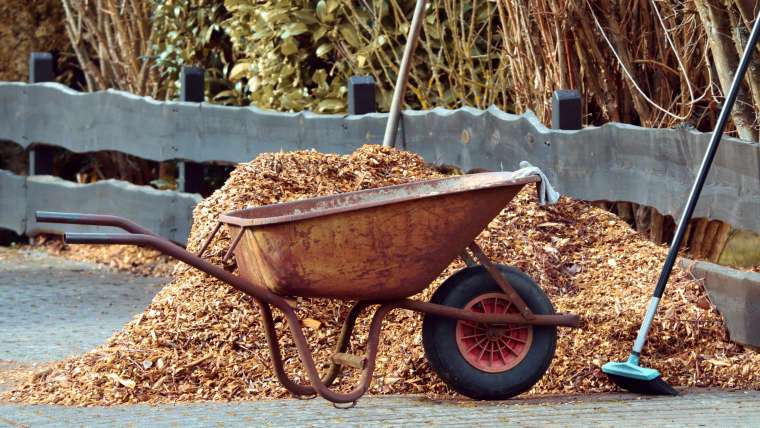
Not all mulch is created equal. Organic mulches, like wood chips, straw, and compost, break down over time and add nutrients to the soil. Inorganic mulches, like stones or rubber, don’t break down and can affect soil temperature and pH.
Choose mulch that suits your garden’s needs and the plants you’re growing. For instance, avoid using fresh wood chips around delicate plants, as they can deplete nitrogen from the soil as they decompose.
4. Applying Mulch Too Early or Too Late

Timing is crucial when it comes to mulching. Applying mulch too early in the spring can delay soil warming, which is essential for seed germination and root growth.
On the other hand, applying mulch too late in the season can mean missing out on moisture retention benefits during the warmer months. The best time to mulch is when the soil has warmed up slightly in the spring but still retains moisture.
5. Ignoring Weed Growth Before Mulching

Mulch is an excellent weed suppressant, but it’s not a miracle worker. Applying mulch over existing weeds can trap them in the soil, allowing them to continue growing and potentially spreading.
Always clear the area of weeds before laying down mulch. You might also consider adding a layer of landscape fabric underneath the mulch for additional weed control.
6. Not Replenishing Mulch Annually

Mulch breaks down over time, especially organic varieties. Failing to replenish your mulch layer annually can reduce its effectiveness, leading to more weeds, less moisture retention, and poorer soil quality.
Check your mulch depth each season and add more as needed to maintain the ideal 2 to 3-inch layer.
7. Using Mulch With Chemicals or Contaminants

Be cautious of the source of your mulch. Mulch that contains chemicals, dyes, or contaminants can harm your plants and the overall health of your garden.
For instance, some colored mulches may contain harmful chemicals that can leach into the soil. Always opt for natural, untreated mulch from a trusted source.
8. Ignoring the Soil’s Needs

Mulch is not a one-size-fits-all solution. Different soils have different needs, and the type of mulch you use should complement the specific conditions of your garden.
For example, sandy soils may benefit from heavier mulches that retain moisture, while clay soils might require lighter, more breathable options. Consider conducting a soil test to determine the best type of mulch for your garden.
9. Neglecting to Water After Mulching

Mulch helps retain moisture, but it doesn’t mean you can skip watering altogether. After applying mulch, it’s important to water your garden thoroughly.
This helps settle the mulch and ensures that the soil beneath is adequately moist, giving your plants a healthy start.
Conclusion
Mulching is a simple yet powerful tool in maintaining a vibrant and healthy garden, but it requires careful consideration and proper techniques.
By avoiding these common mulching mistakes, you can ensure that your plants get the maximum benefits from mulching, leading to a more beautiful and productive garden.
Remember, the key to successful mulching is moderation, appropriate timing, and choosing the right materials for your garden’s unique needs.
Sign up to get our FREE weekly emails
Gardening guides, tips, & videos delivered right to your inbox!